
From cryotherapy and IV drips to bespoke peptides and internet-sourced hacks, the elite wellness industry has commodified physical wellbeing into a status marker — one where exclusivity and fad-driven influence can (at times) eclipse scientific legitimacy. LUXUO explores how “body maxxing” trends have created a new hierarchy of optimisation in which privilege and performance are prioritised over evidence-based benefits. Ryan Murphy’s upcoming science fiction body horror television series “The Beauty” further amplifies this cultural anxiety by satirising the commodification of beauty as a social and economic weapon.
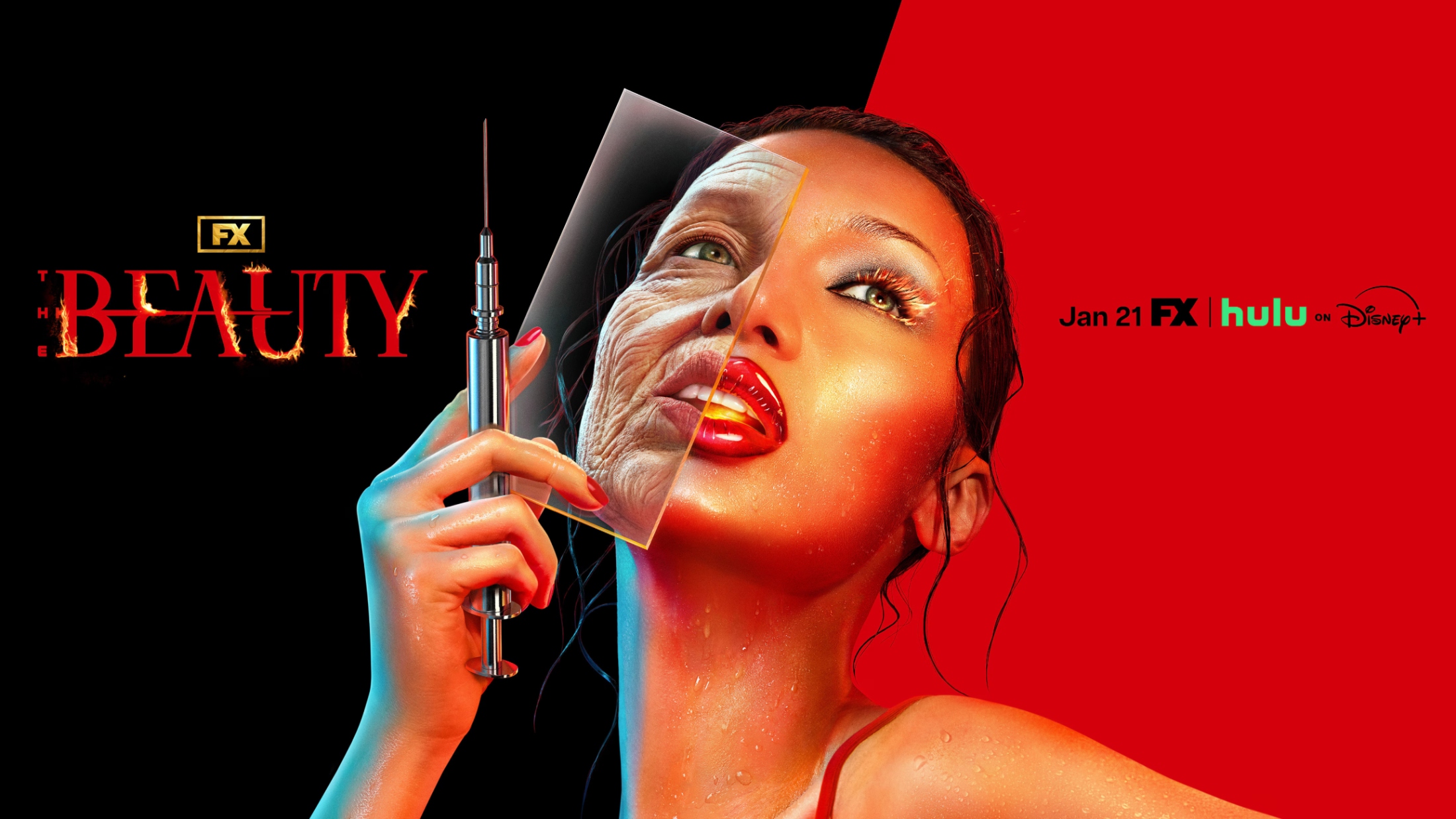
“The Beauty” echoes a heightened version of reality that is already unfolding across luxury wellness spaces. The notion of self-care previously conjured images of warm baths and balanced diets. Today it increasingly means “bio-optimisation”: replacing ritual with tech intervention and curiosity with commerce. From Silicon Valley’s peptide cocktails to Instagram’s coffee enema craze, elite wellness has graduated from soothing to speculative, turning physical wellbeing into a status symbol where wealth buys cutting-edge culture and the average consumer is left with aspirational marketing rather than meaningful results.
At its core, this new “wellness” is less about health in the strict medical sense and more about physical wellbeing as a performative display resulting in a marketable identity that commercialises lifestyle into luxury. This shift reflects a broader cultural recalibration in which social media has pushed physical vitality out of the personal sphere, making it publicly traded as proof of discipline and social leverage.
The Status Economy of Wellness
High-end treatments have become social badges within a booming industry that is now worth trillions. Cryotherapy chambers flanking luxury gyms, personalised IV nutrient drips at resort spas and bespoke supplement regimens are advertised not just as an “essential” component to attaining one’s peak performance and enviable aesthetics. These offerings position physical wellbeing in the same territory as luxury fashion or super yachts where exclusivity is equivalent to desirability.
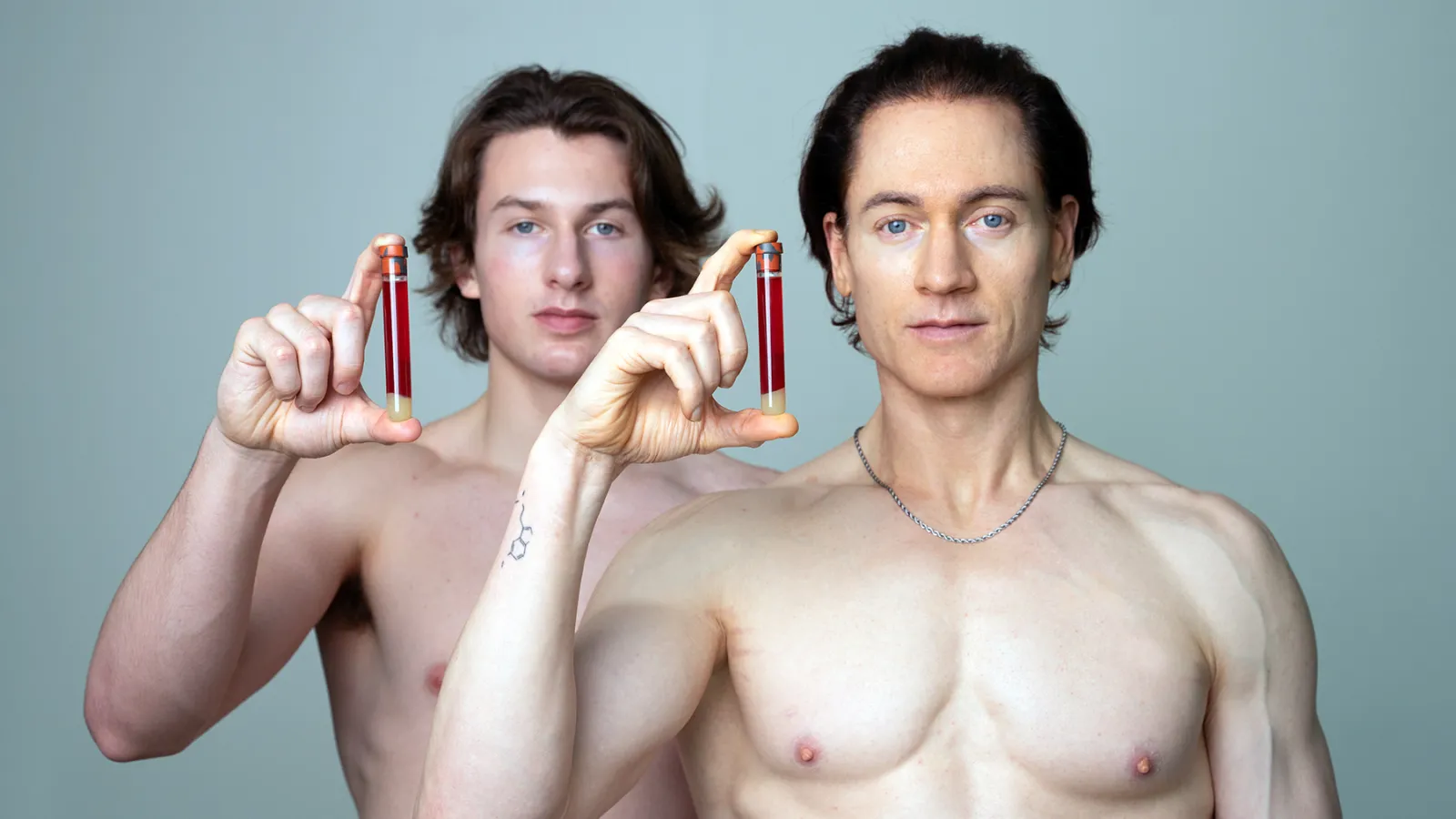
Case in point, 45-year-old tech entrepreneur Bryan Johnson has drawn attention for his extreme anti-aging practices, spending approximately USD 2 million annually on his personal wellness regimen — which includes strict diets, exercise routines, medical monitoring and experimental therapies. Most controversially, Johnson recruited his 17-year-old son and 70-year-old father in a trigenerational blood exchange, in which approximately one litre of blood — about a fifth of his son’s total blood volume — was removed, separated and reinfused into Johnson.
While some rodent studies suggest younger blood may reverse aging effects, there is no clinical evidence that these practices work in humans and experts warn of potential risks such as strong immune reactions. Johnson’s use of plasma from a family member also sidesteps conventional costs for plasma donation, which can run around USD 5,500 per procedure. This high-profile example highlights how ultra-wealthy biohackers are experimenting with unproven interventions as part of a status-driven pursuit of longevity.
Critics argue this mirrors a “wellness divide” akin to socioeconomic divides found in other cultural domains. Access to advanced therapies — from hyperbaric chambers to physician-curated biohacking programs — remains locked behind price points far removed from mainstream access. The result is a two-tiered landscape where well-being is stratified by wealth and cultural capital. This divide is increasingly visible in medical tourism, where affluent patients cross borders to access procedures that provide both clinical intervention with five-star hospitality to deliver a fully packaged, all-in-one healthcare and luxury service.
The Trickle-Down Effect: When Optimisation Goes Mainstream
Yet this hierarchy is not entirely sealed. As elite wellness trends proliferate, they also diffuse. Ice baths once reserved for serious athletes and located at premium gyms now sit in neighbourhood gyms. Wearable health tracking, personalised supplements and cold exposure protocols have entered mainstream routines. Even pharmaceutical-grade ideas — from GLP-1 medications to hormone optimisation — are reshaping everyday conversations around health. For those priced out of luxury clinics, at-home variations and scaled-down adaptations offer accessible entry points into wellness culture. While not without risk, this trickle-down effect has also increased public literacy around recovery and metabolic health, challenging the idea that elite wellness is purely extractive or exclusionary.
Body Maxxing Trends Of 2025
Coffee Enemas
Recently popularised on platforms like TikTok, coffee enemas are touted as detox hacks that purport to cleanse the colon, boost energy or even treat disease. However, medical professionals have strongly disputed these benefits. Experts warn the practice can cause rectal burns, inflammation, inf
Read more from original article, all rights reserved From Self-Care to Status: Body Optimisation Goes Mainstream
Leave a Reply