

Recent years have warned of an impending economic downturn that could heavily impact the global luxury sector. Bain & Company, Altagamma and other industry consultancies show that the number of active luxury consumers has declined sharply from around 400 million in 2022 to roughly 340 million by 2025, with new customer acquisition dropping by approximately 5 percent in the last year and spending patterns shifting toward experiences, resale and smaller indulgences rather than big‑ticket goods.
Read More: The Great Spring/Summer 2026 Fashion Week Reset
Macro pressures like rising tariffs, disrupted trade flows and low real wage growth are cited as key risk factors heading into 2026, with many brands signalling further price increases despite muted market growth. Margin compression has also become a critical stress point, with earnings before interest and taxes forecast to fall to levels last seen in 2009 as operating costs rise and revenue growth slows. Geographically, growth is concentrating in culturally demanding markets such as China, India, Southeast Asia and the Gulf, where brands must navigate fragmented retail structures, sophisticated domestic competitors and rapidly evolving consumer expectations. Projections note a 5 percent rebound in sales and 12 percent earnings growth in 2026 if Chinese consumer sentiment stabilises and if conglomerates increase to emphasise direct retail control over wholesale channels to protect margins. At the same time, high‑profile financial stress in luxury retail — including the potential bankruptcy of Saks Global due to heavy debt and sluggish traffic — underscores how structural market pressures are forcing a rethink of strategies across the sector.
The era of centralised decision-making is ending and these factors are forcing major luxury fashion conglomerates to reflect and adapt. LVMH returned just one percent growth in Q3 of 2025, Kering saw revenues drop of 10 percent and Richemont grew five percent thanks largely to its jewellery maisons, highlighting a K-shaped recovery where top-tier brands and resilient segments thrive while aspirational tiers falter. Miu Miu — under Miuccia Prada’s enduring leadership — has avoided the creative turnover seen at many peers, demonstrating how consistency and founder-led vision can act as a stabilising force in a volatile industry.

The new luxury landscape demands earned desirability and this sees some houses introduce entry‑level price tiers and creative leadership changes to reinvigorate demand. Alongside this, a new cycle of creative appointments is reshaping Europe’s major fashion houses, signalling a shift from personality-led spectacle toward structural recalibration, institutional continuity and long-term brand control. As legacy houses recalibrate creative leadership across couture and ready-to-wear, the concentration of power among a smaller circle of designers suggests that fashion’s next phase will prioritise brand systems and succession stability over disruptive authorship.
In a bid to increase demand and desirability, LUXUO delves into one aspect of this strategic reshuffling — honing in on the recent creative director appointments — to explore how legacy houses are recalibrating creative direction in which succession planning and brand architecture outweigh individual creative authorship.
Read More: Milan Fashion Week Spring/Summer 2026: A New Guard Rises
Demna at Gucci

Demna’s arrival at Gucci marks a deliberate pivot away from the volatility that followed Alessandro Michele’s departure. Rather than reintroducing maximalist disruption, Demna’s first moves indicate a tightening of visual codes, clearer product hierarchy and a renewed focus on commercial clarity. For Kering, this reasserts Gucci’s global scale through disciplined design language after a period of brand diffusion and sales pressure.
Gucci’s recent struggles highlight the challenges facing legacy fashion houses. After attempting a restrained approach under Sabato De Sarno, Gucci’s sales fell 24 percent year-on-year in 2024, prompting Kering to hire Demna, the designer who previously elevated Balenciaga into a hype-driven powerhouse. The appointment was met with mixed reactions: Kering’s stock dropped 12.4 percent and the reception in China was lukewarm, while the conglomerate itself reported a 62 percent decline in overall profit for 2024. This scenario illustrates a broader pattern in luxury fashion, where the pursuit of profit can turn leadership appointments into high-stakes gambles, akin to a game of musical chairs.
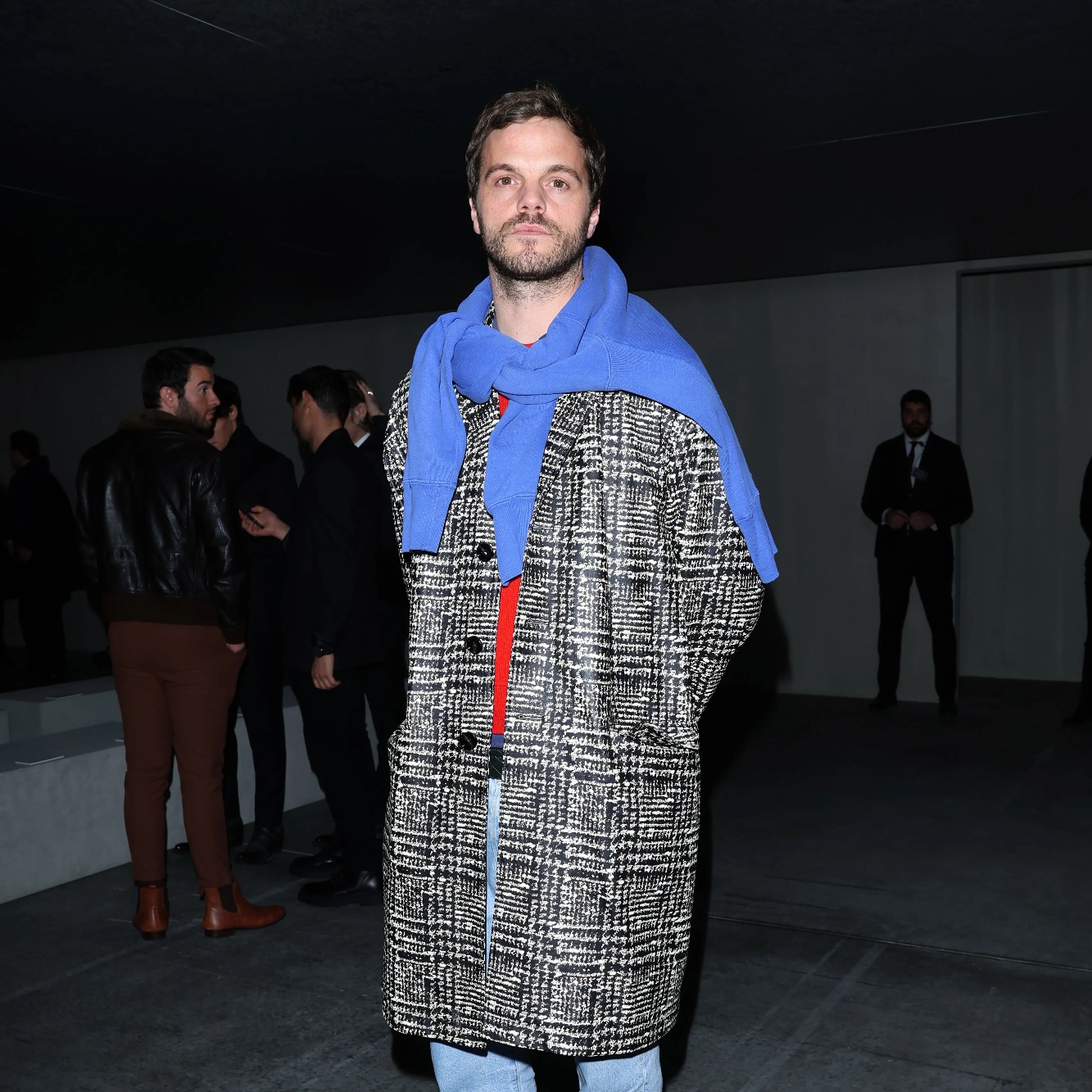
Matthieu Blazy at Chanel
Matthieu Blazy’s appointment at Chanel is widely seen as a strat
Read more from original article, all rights reserved Fashion Leadership Reset: 2026’s Creative Shake-Ups
Leave a Reply