
Underneath distinct branding and creative direction, fast fashion operates on a shared industrial model shaped by scale in production, speed to reach the virtual shopfloor and efficiency in global sourcing and distribution. High-volume production, compressed timelines and complex global supply chains underpin the sector, even as individual brands project differing identities. What appears as variation is often a matter of presentation — shaped by design language, retail experience and narrative — rather than a fundamental shift in how these businesses function. While some brands benefit from stronger design language or perceived quality, the underlying model — one that prioritises volume and rapid turnover — remains unchanged. Even as sustainability narratives evolve, the core economics of fast fashion continue to depend on scale. The result is a hierarchy built less on measurable sustainable impact and more on brand storytelling.
Different Faces, Same Framework
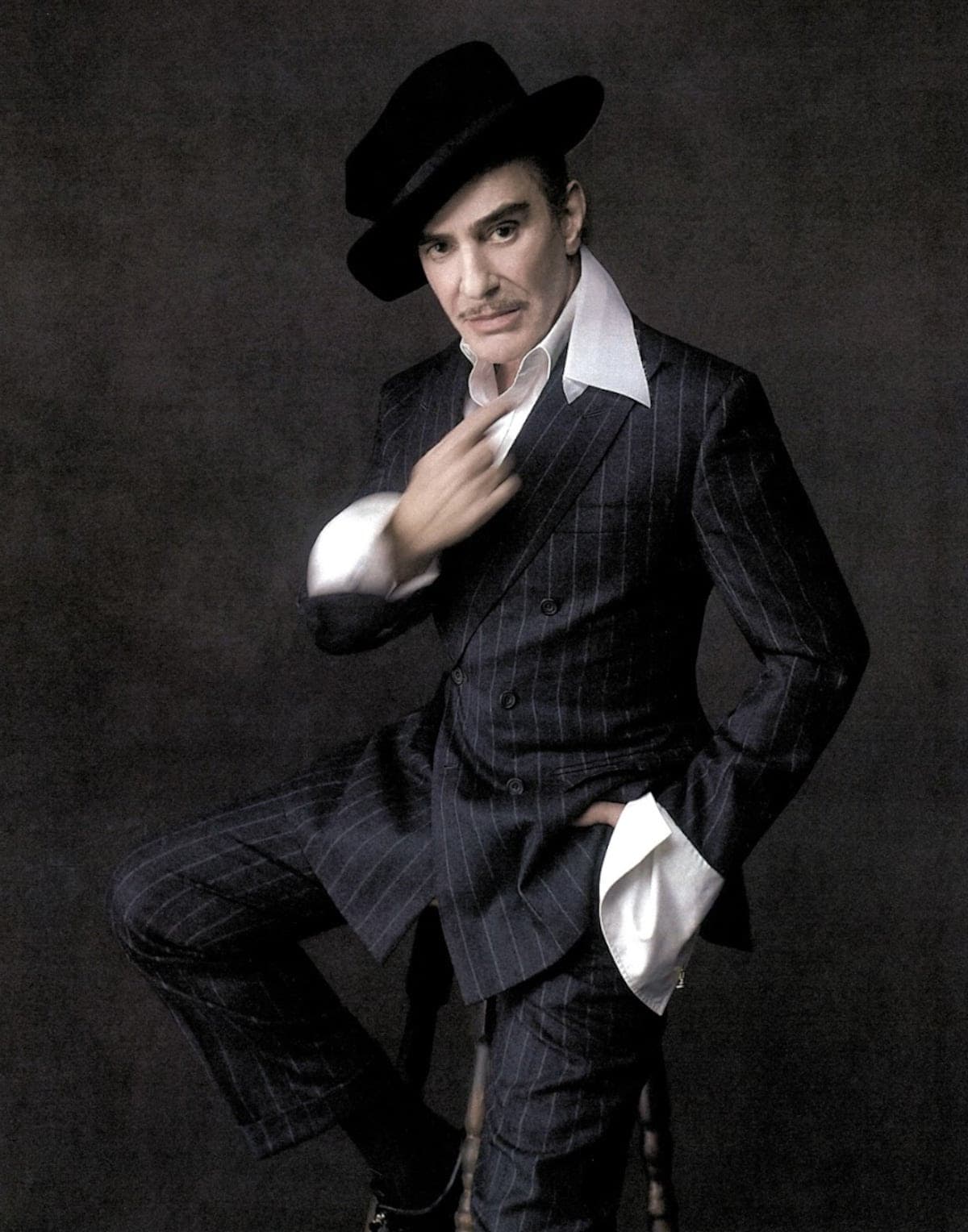
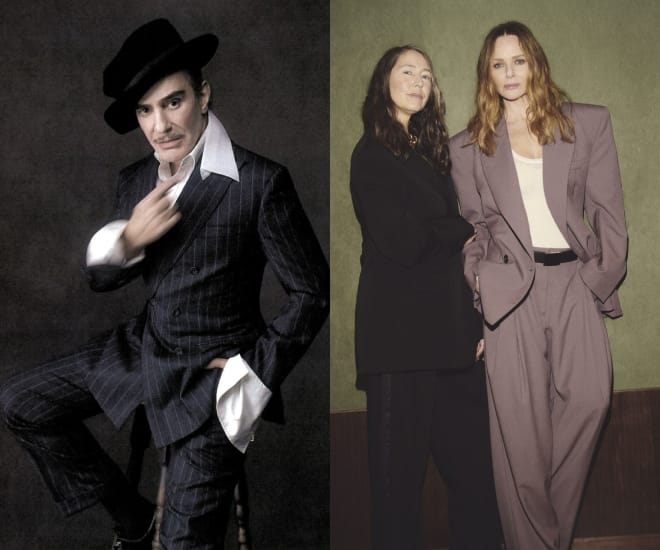
Collaborations and the appointment of creative directors have become key tools in reframing fast fashion as an aspirational choice for consumers. H&M, in particular, has helped redefine this model through its “high-low” collaborations — from Karl Lagerfeld and Versace to Balmain — consistently generating global queues, rapid sell-outs and resale market frenzies that have seen the rising desirability of mass retail. Most recently, Zara’s partnership with John Galliano — a designer synonymous with couture — signals a deliberate push upmarket. Positioned as a process of “re-authoring” archival designs, the collaboration suggests an elevated take on Zara’s upcoming collections, particularly with regard to craftsmanship and creative authorship. Yet, the output remains embedded within Zara’s industrial supply chain, where millions of garments are produced annually.
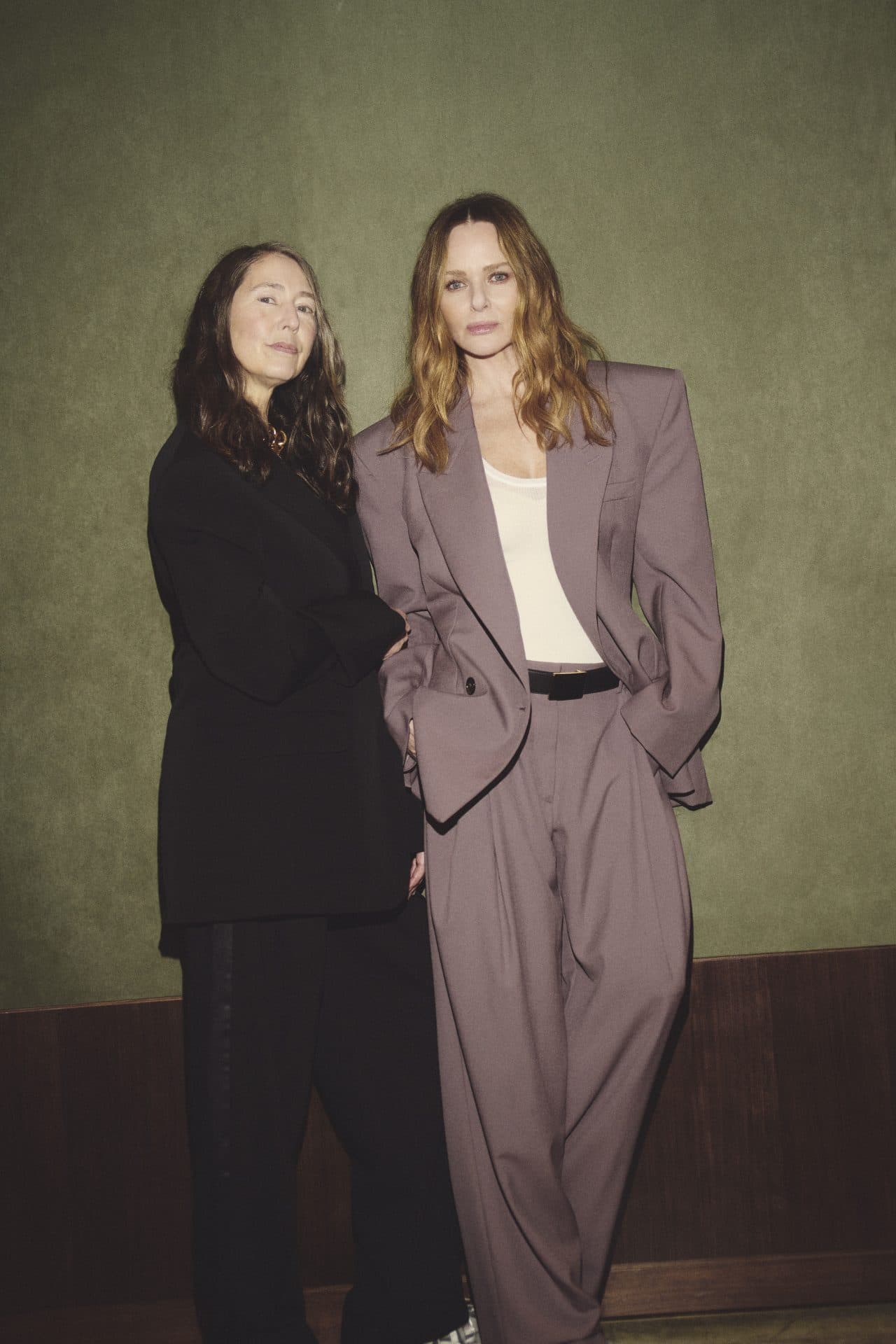
Similarly, H&M’s renewed collaboration with Stella McCartney — long regarded as a pioneer of sustainable luxury — extends a narrative of “conscious design”. The Spring 2026 collection will feature certified and recycled materials, accompanied by the launch of an industry-facing “Insights Board” intended to foster dialogue around circularity and animal welfare. However, McCartney has built her brand on a sustainability-led ethos, while H&M’s core business continues to rely heavily on synthetic fibres and mass production. Capsule collections and advisory boards may signal intent, but they do not fundamentally alter the environmental footprint of a business model driven by volume.
In both cases, collaborations function as strategic brand elevation — reinforcing perceptions of quality, ethics and exclusivity without requiring systemic transformation.
Creative Curation & Algorithmic Replication
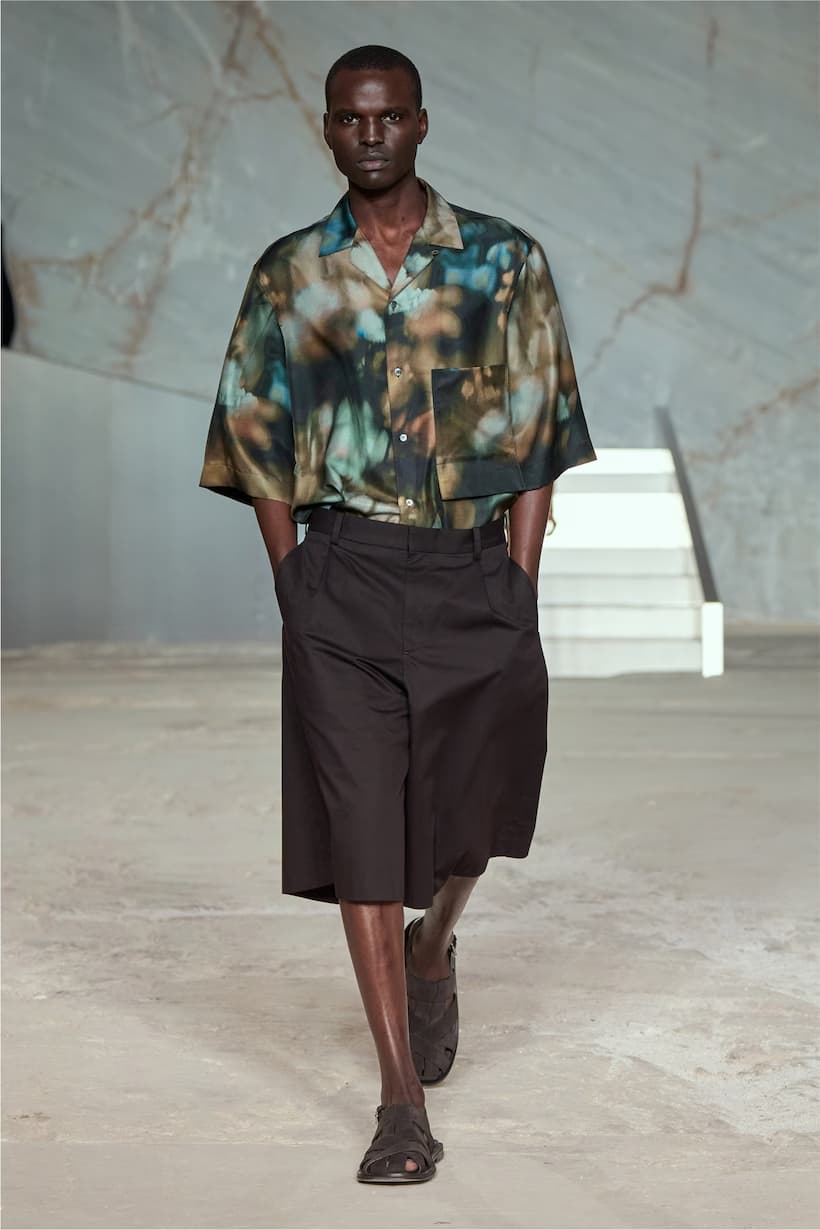
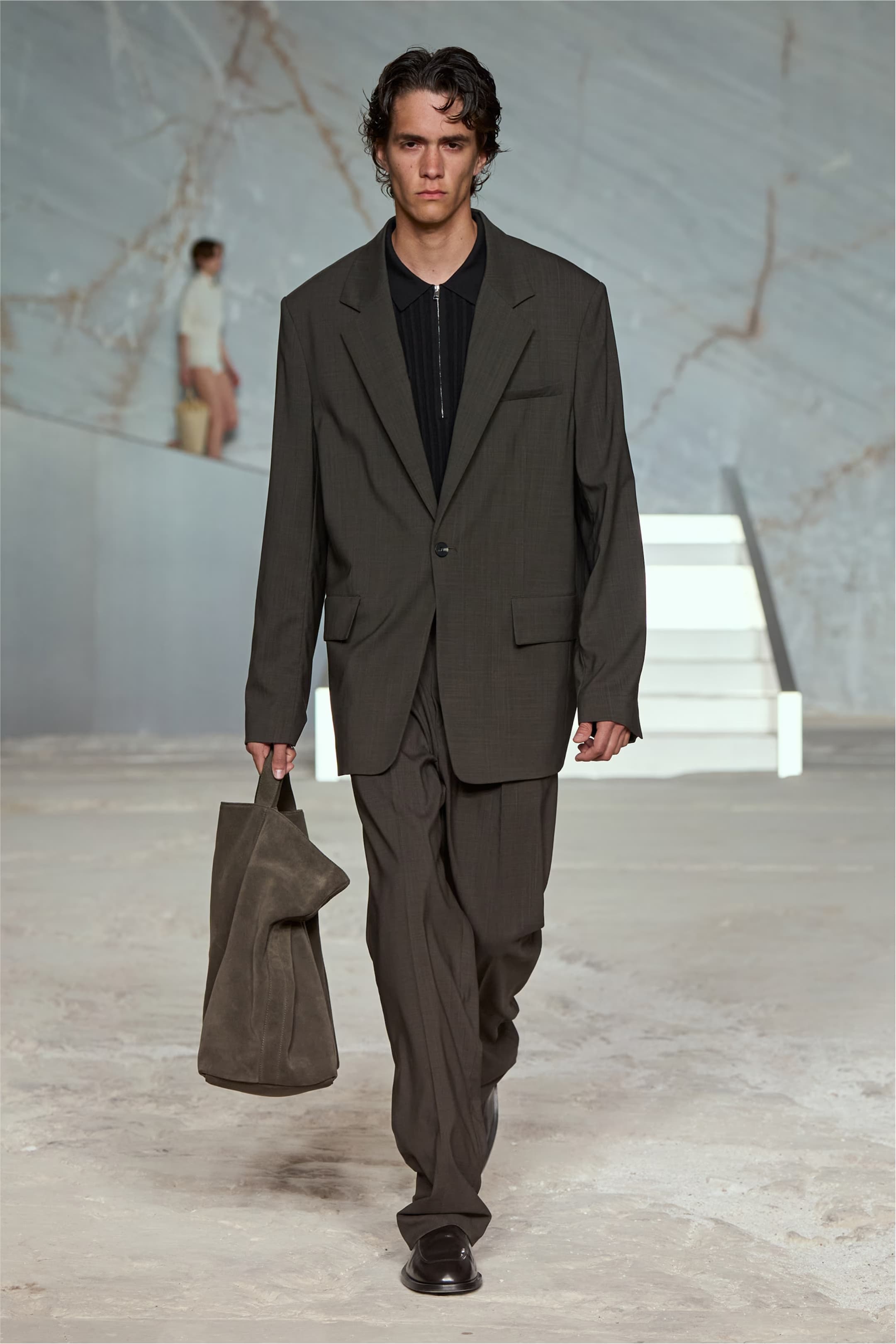
Creatively, fast fashion remains largely reactive. Brands such as COS and Zara excel at interpreting and refining luxury aesthetics, but rarely originate them. Instead, their strength lies in constructing (and curating) a distinct visual language — a recognisable “vibe” shaped through styling and cultural cues. This approach has proven commercially effective. COS, for instance, has successfully repositioned itself within a space between luxury and high street, generating significant cultural traction — from viral products like its quilted bag to runway shows that reportedly delivered USD 51.5 million in earned media value. The appeal does not solely lie in the authorship of design but in a brand’s curation and the ability to translate broader fashion movements into a cohesive aesthetic, realised with desirable collections.
At the opposite end of the spectrum, ultra-fast fashion platforms such as Shein and Temu compress this process even further. Leveraging data-driven systems to identify and replicate trends in near real time, they largely bypass curation altogether — prioritising speed and volume over aesthetic coherence. Shein’s on-demand production model, supported by a global logistics network and millions of monthly users, exemplifies a shift toward algorithmic fashion — where design output is increasingly informed by data rather than creative direction. The result is an increasingly homogenised market, where rapid replication erodes meaningful differentiation despite narratives of uniqueness or elevation.
The apparent divergence between curated design and algorithmic replication ultimately converges on the same structural outcome. Both rely on systems designed for rapid turnover, where the acceleration of production outweighs the depth of creative distinction, reinforcing a uniform output logic across the industry.
Positioning Value, Not Just Product
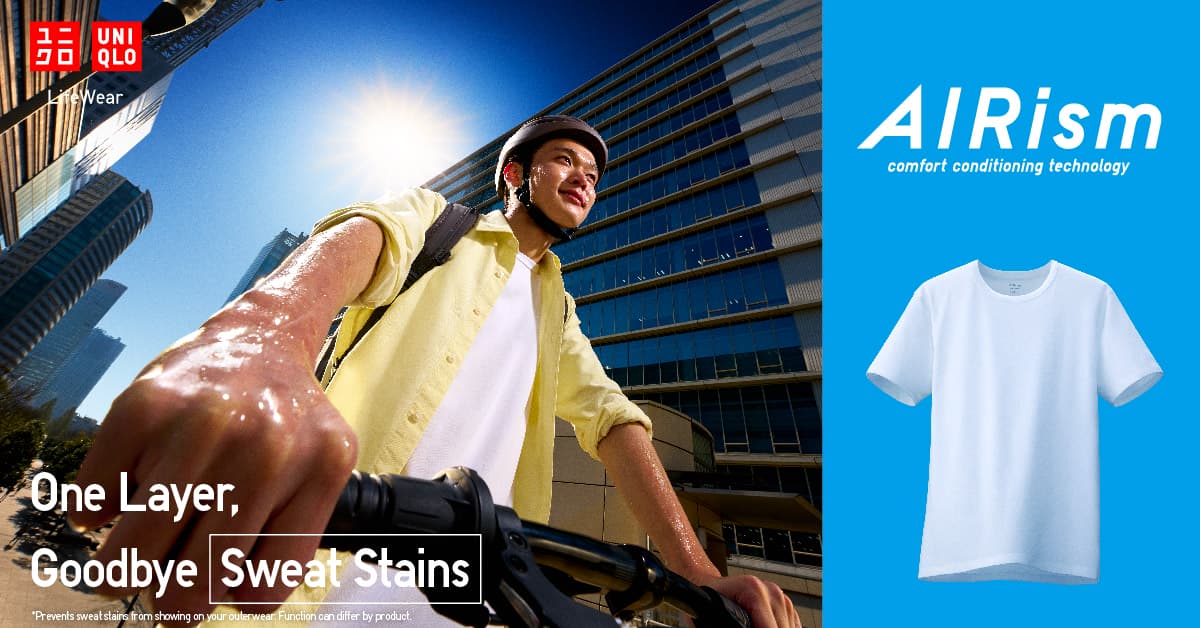
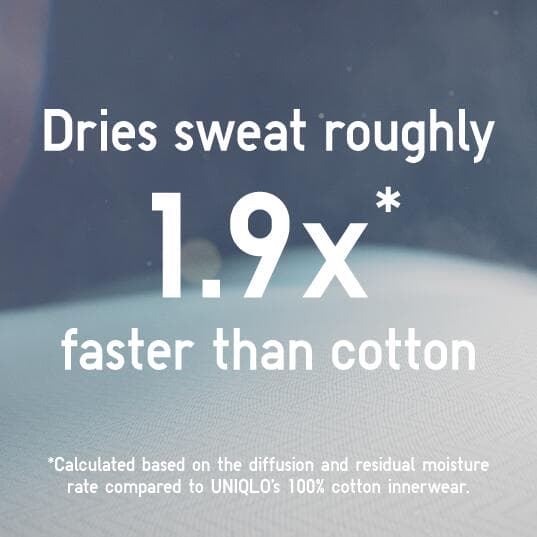
Perception in fast fashion is also shaped by how brands position value. Zara leans on design and cultural relevance. H&M leverages collaborations and sustainability narratives. Uniqlo, by contrast, focuses on functionality — positioning itself as a provider of wardrobe infrastructure rather than trend-led fashion. Its investment in proprietary textiles such as AIRism and HeatTech introduces a different consumption model, centred on utility and repeat wear. This functional emphasis introduces a different consumption pattern. Staple-driven purchases — innerwear, base layers, everyday essentials — may encourage longer wear cycles compared to trend-led pieces designed for short-term relevance. At the same time, Uniqlo’s accessible pricing reflects a practical reality for many consumers where affordability remains the primary in driver of purchasing choices, not sustainability. This can, in theory, extend product lifecycles and reduce per-use environmental impact.

While H&M continues to face scrutiny over the credibility of its sustainability messaging, Uniqlo often engages with broader social initiatives as part of its brand positioning. One example is its “PEACE FOR ALL” project, which invites public figures aligned with the initiative to design T-shirts expressing messages of peace. Proceeds from these products are directed to “international organisations supporting communities affected by violence, discrimination, armed conflict and poverty”.
However, this distinction is largely one of narrative framing rather than structural divergence. Despite its emphasis on functionality and wardrobe essentials, Uniqlo operates at a global scale within the same industrial supply chains that raise ongoing concerns around labour conditions, resource consumption and carbon intensity. Its reliance on technical and synthetic fabrics also introduces additional environmental trade-offs, including microplastic pollution and dependence on fossil fuel-based materials.
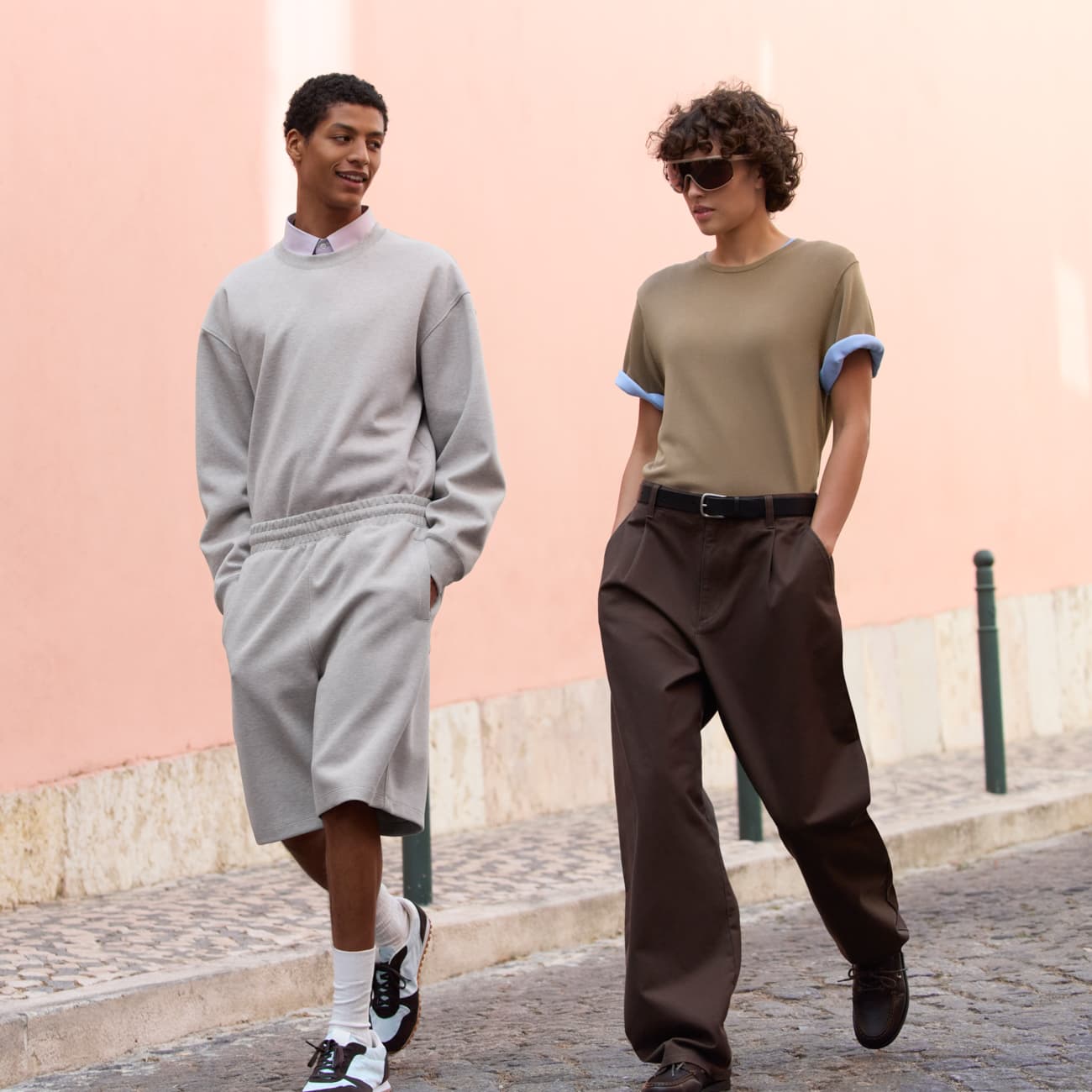
Affordability further complicates the equation. For many consumers, price remains the primary constraint — making fast fashion not simply a choice, but a necessity. The result is not a fundamentally different system, but a different expression of the same system. It gives off the impression that it feels more considered and therefore more palatable to consumers.
The Evergreen Nature of Greenwashing in Fast Fashion
Sustainability narratives have become increasingly central to fast fashion’s brand architecture, yet they continue to attract scrutiny over the gap between messaging and measurable impact. Across the sector, environmental positioning is frequently anchored in capsule initiatives, recycled material commitments and partnership-led storytelling, rather than systemic redesign of production models.
Alongside environmental claims, reputational risk is also being shaped by shifting consumer sentiment around labour practices and operational transparency. In early 2026, ASOS, Boohoo and PrettyLittleThing faced widespread consumer backlash following changes to returns policies, with shoppers threatening boycotts and migrating to resale platforms such as Vinted. While framed as operational adjustments to reduce “serial returns”, the changes sparked broader criticism around cost-shifting strategies and declining consumer trust in ultra-accessible fashion models.

Regulatory scrutiny has intensified in parallel with growing concerns around environmental messaging. In A
Read more from original article, all rights reserved The Illusion of Choice in Fast Fashion
Leave a Reply