

LUXUO delves into green buildings and modern architectural wonders that are reshaping how the future of engineering is responding to the climate crisis. From mass-timber towers to biophilic skyscrapers, a new generation of industrial projects demonstrates that ecological ambition and architectural distinction are no longer mutually exclusive. Each of these eight buildings represents a commitment to carbon reduction and sustainable innovation at its highest level.
Sara Kulturhus — The Timber Colossus of the Arctic
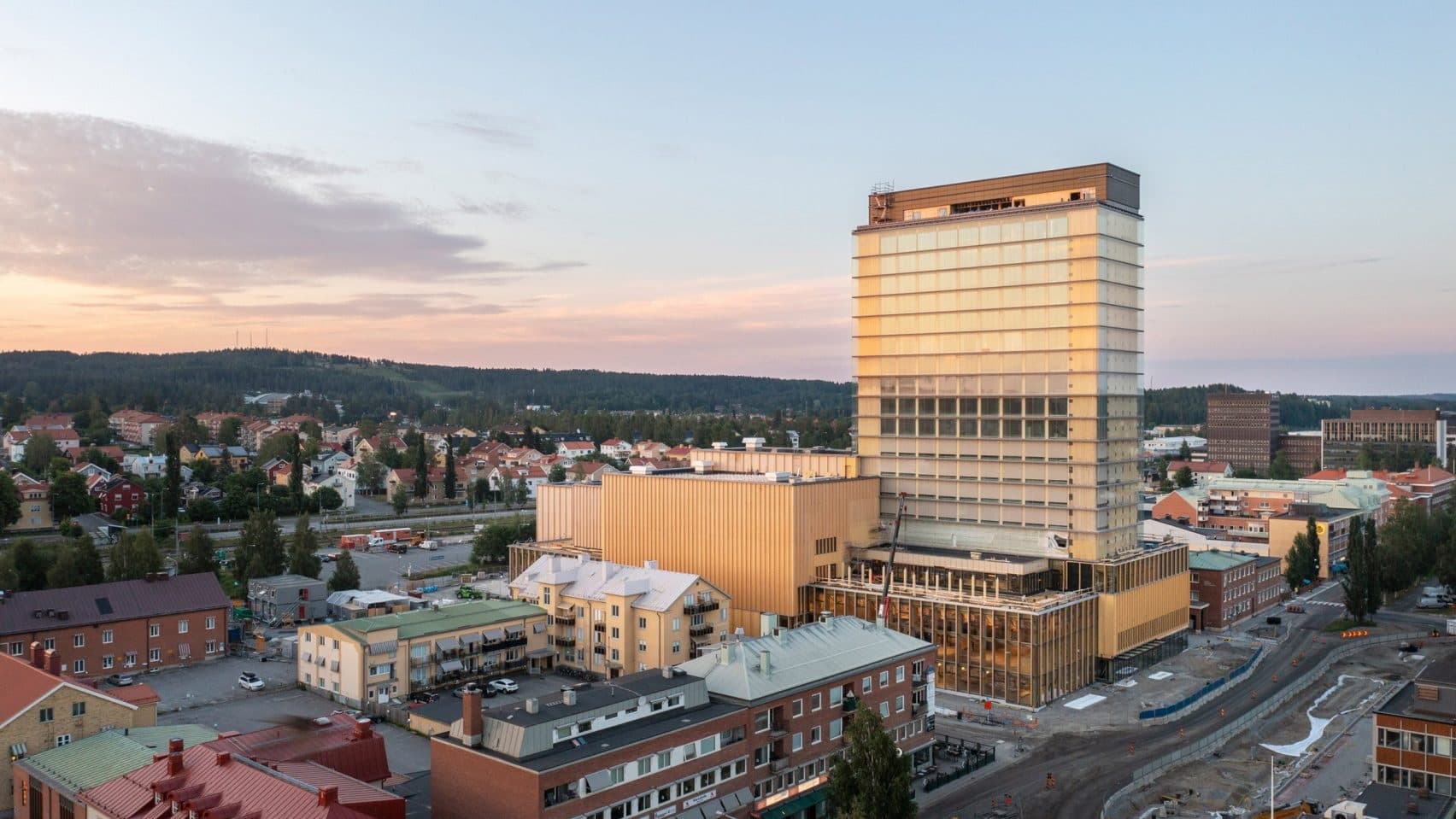
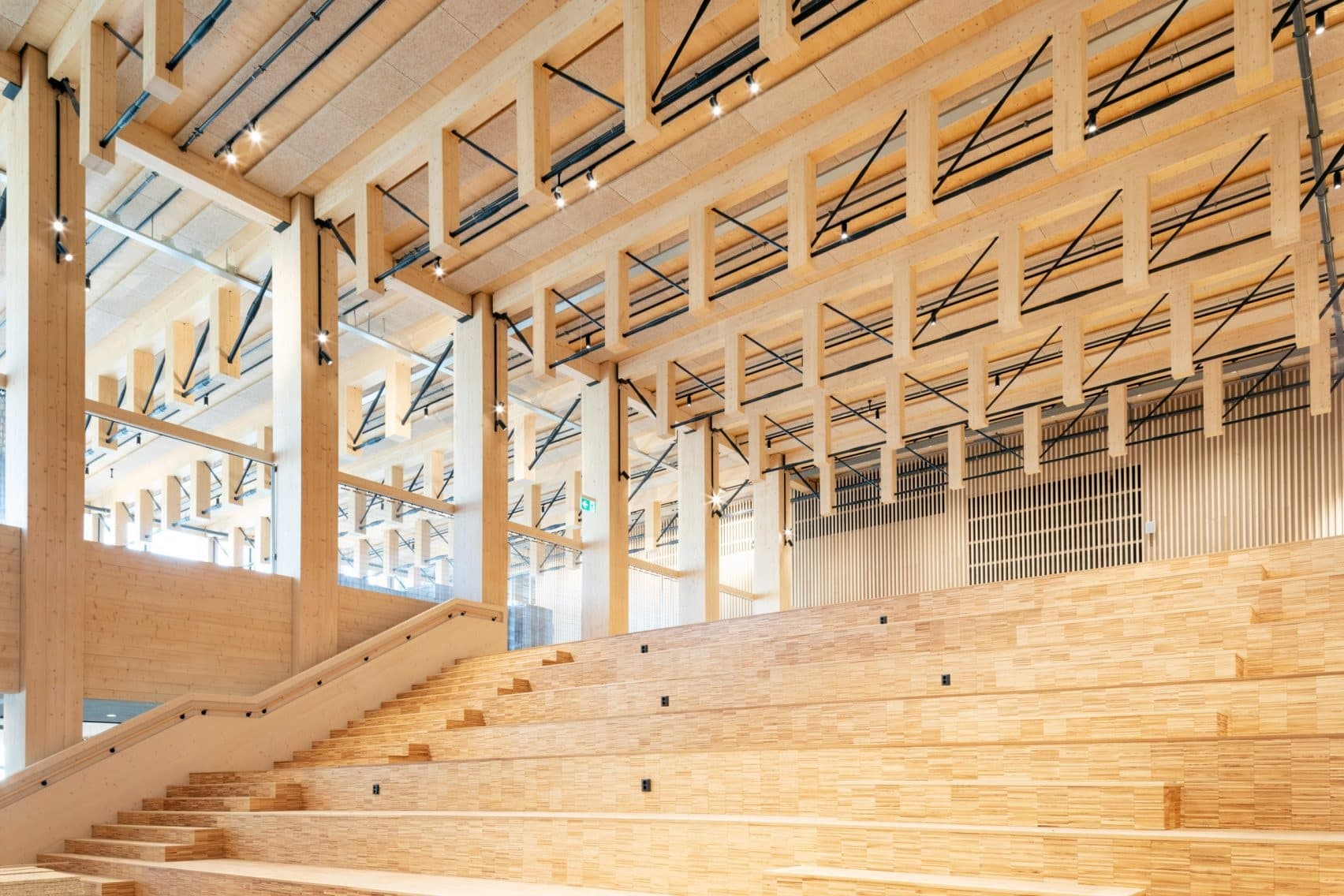
Left: Sara Kulturhus is one of the tallest timber-based structures in the world, rising to 75 metres. Image: Dezeen. Right: The theatre hall is made from cross-laminated wood. Image: Dezeen.
Sara Kulturhus is one of the tallest timber structures in the world, rising to a height of 75 metres. Situated in Skellefteå, Sweden, the 20-storey White Arkitekter-designed building — which includes a hotel and cultural centre — was constructed completely of glulam and cross-laminated wood (CLT) from sustainably managed Swedish forests. More carbon dioxide is sequestered by the timber frame — approximately 9,000 tonnes — than was released throughout the building’s entire construction. The district heating system uses renewable biomass and a high-performance enclosure reduces heat loss in sub-Arctic temperatures. The project established a standard for industrialised green construction in harsh environments by assembling prefabricated timber modules on-site with little waste.
Quay Quarter Tower — Sydney’s Vertical Reuse Masterclass
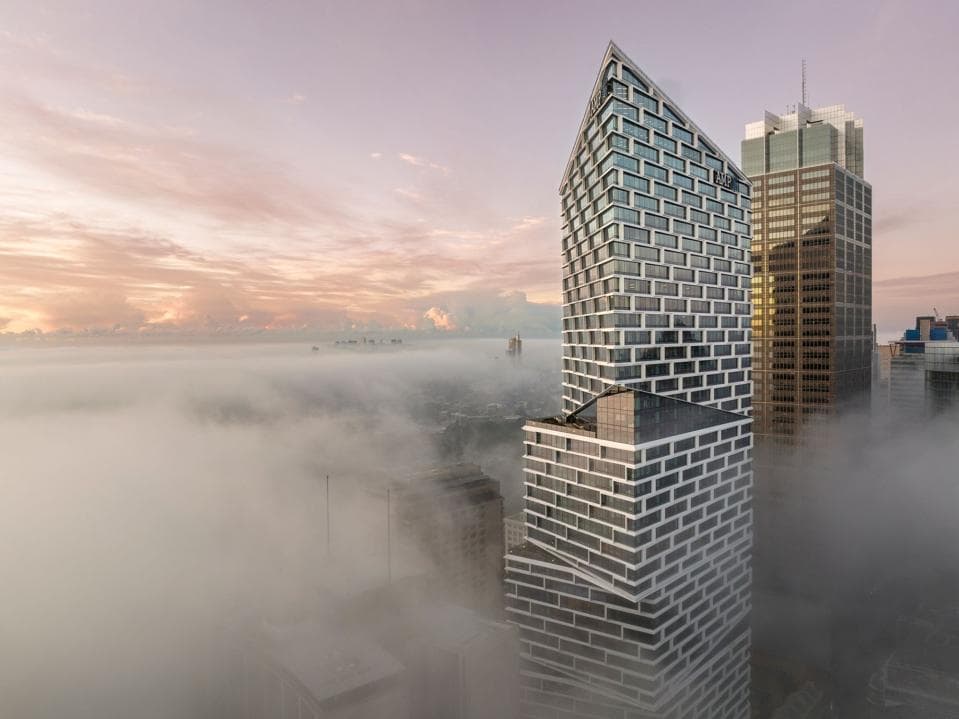
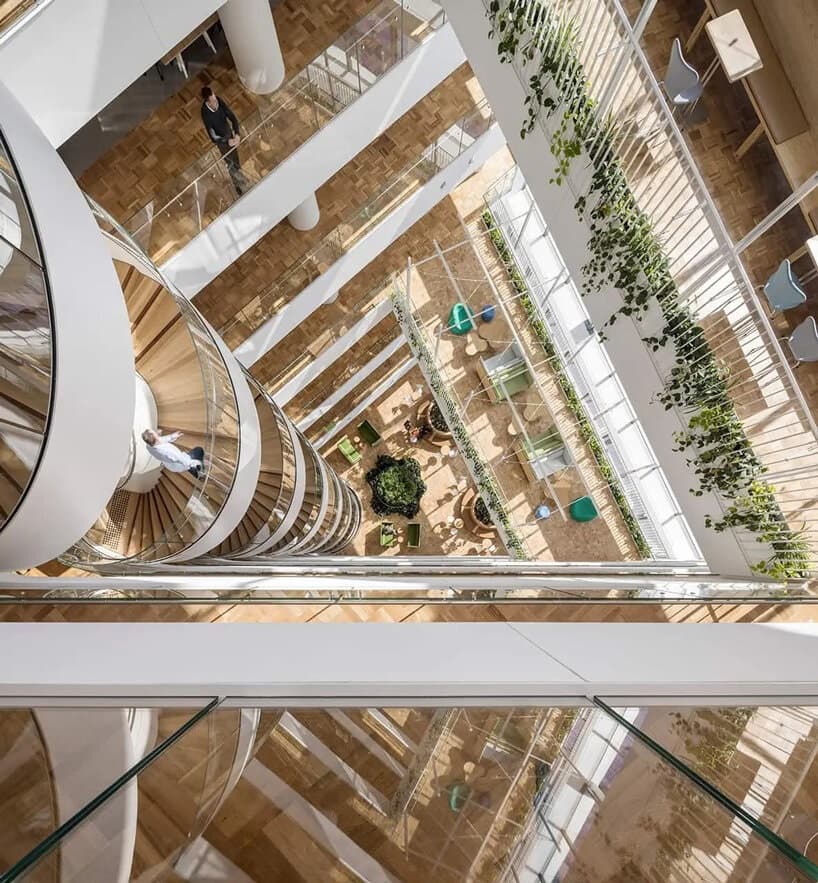
Left: Quay Quarter Tower’s lattice-pattern facade offers a “stacked” architecture style. Image: Dezeen. Right: Plenty of green features to keep the building cool inside. Image: Designboom.
3XN Architects saved an estimated 12,000 tons of embodied carbon by keeping 65 per cent of the existing 1976 tower’s structure and covering it with a new exterior rather than dismantling and rebuilding. Rising 49 storeys above Circular Quay in Sydney, Quay Quarter Tower’s bending glass volumes maximise natural ventilation and harbour vistas while minimising solar heat input. Low-emissivity, triple-glazed glass panels block heat radiation. The building’s cooling towers are powered by rainwater harvesting and its credentials are validated by the Green Building Council of Australia’s 6-Star Green Star accreditation. When compared to a traditional new build, the adaptive-reuse approach alone decreased construction waste by more than 50 percent.
Singapore’s CapitaSpring — A Jungle in the Financial District
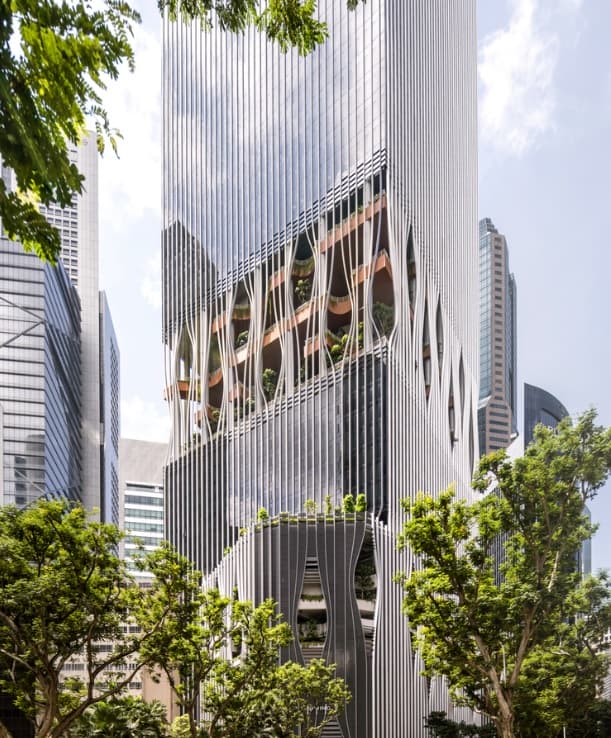
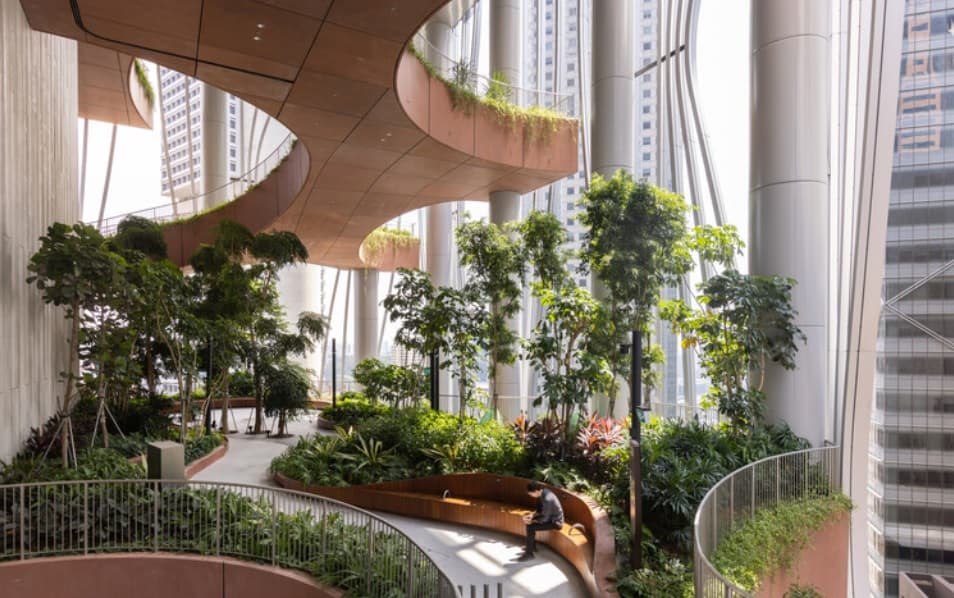
Left: One of Bjarke Ingels Group’s proudest buildings in Asia — CapitaSpring Tower. Image: Archdaily. Right: Plenty of biophilic features in the 35-metre-tall atrium. Image: Archdaily.
At the centre of the 51-storey CapitaSpring Tower in Singapore’s Central Business District is a four-storey “Green Oasis” sky garden, a 35-metre-tall biophilic atrium with more than 80,000 plants from more than 130 species. The tower’s petal-shaped exterior panels, which were jointly designed by Bjarke Ingels Group (BIG), Carlo Ratti Associati (CRA) and RSP Architects, are designed to give shade and minimise solar heat absorption by up to 25 percent. Additional power is produced by photovoltaic cells integrated into the building’s canopy. The tower’s BCA Green Mark Platinum certification attests to its low energy consumption per square metre and rainwater collection systems irrigate the vertical vegetation.
The National Museum of Qatar Education City Mosque — Desert Sustainability in Sacred Form
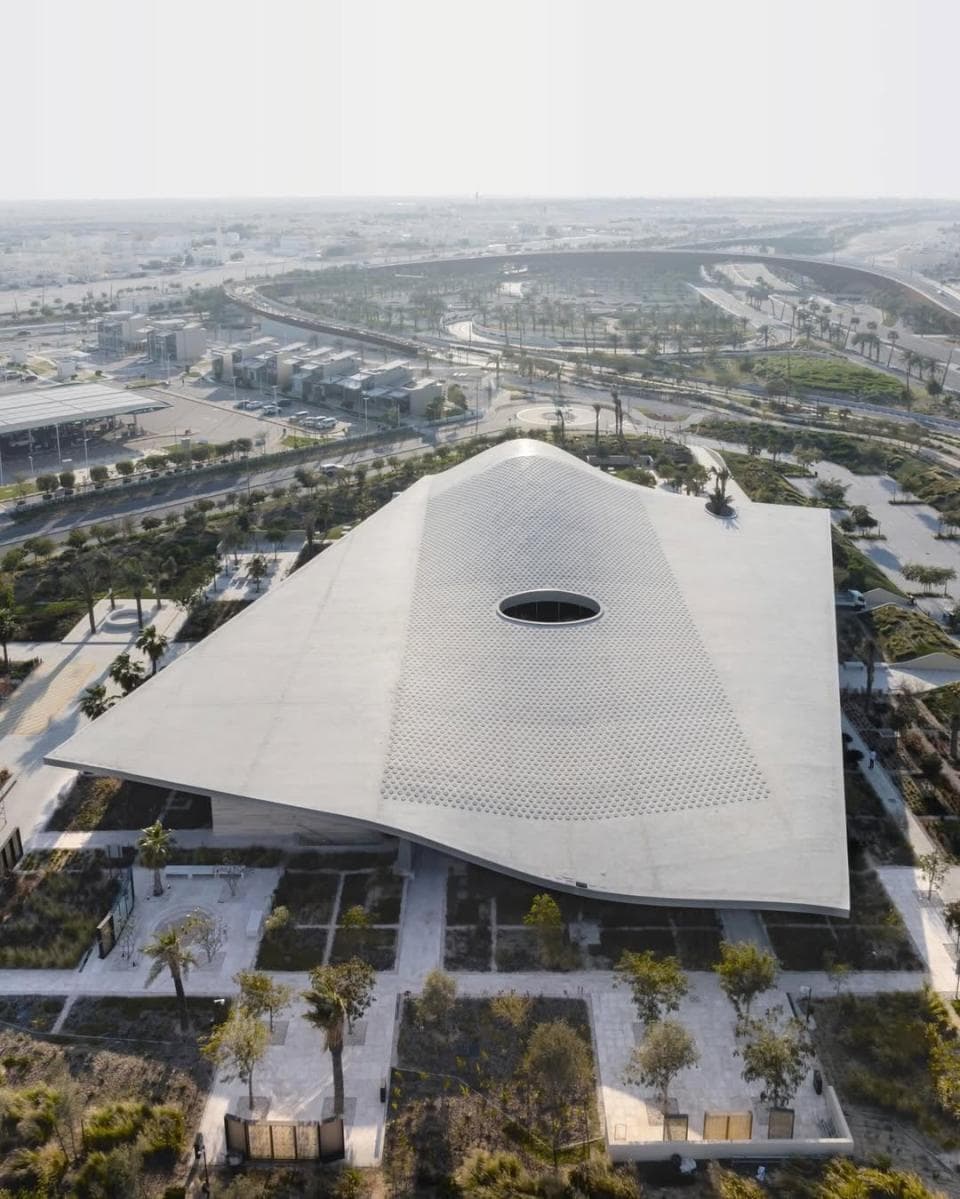
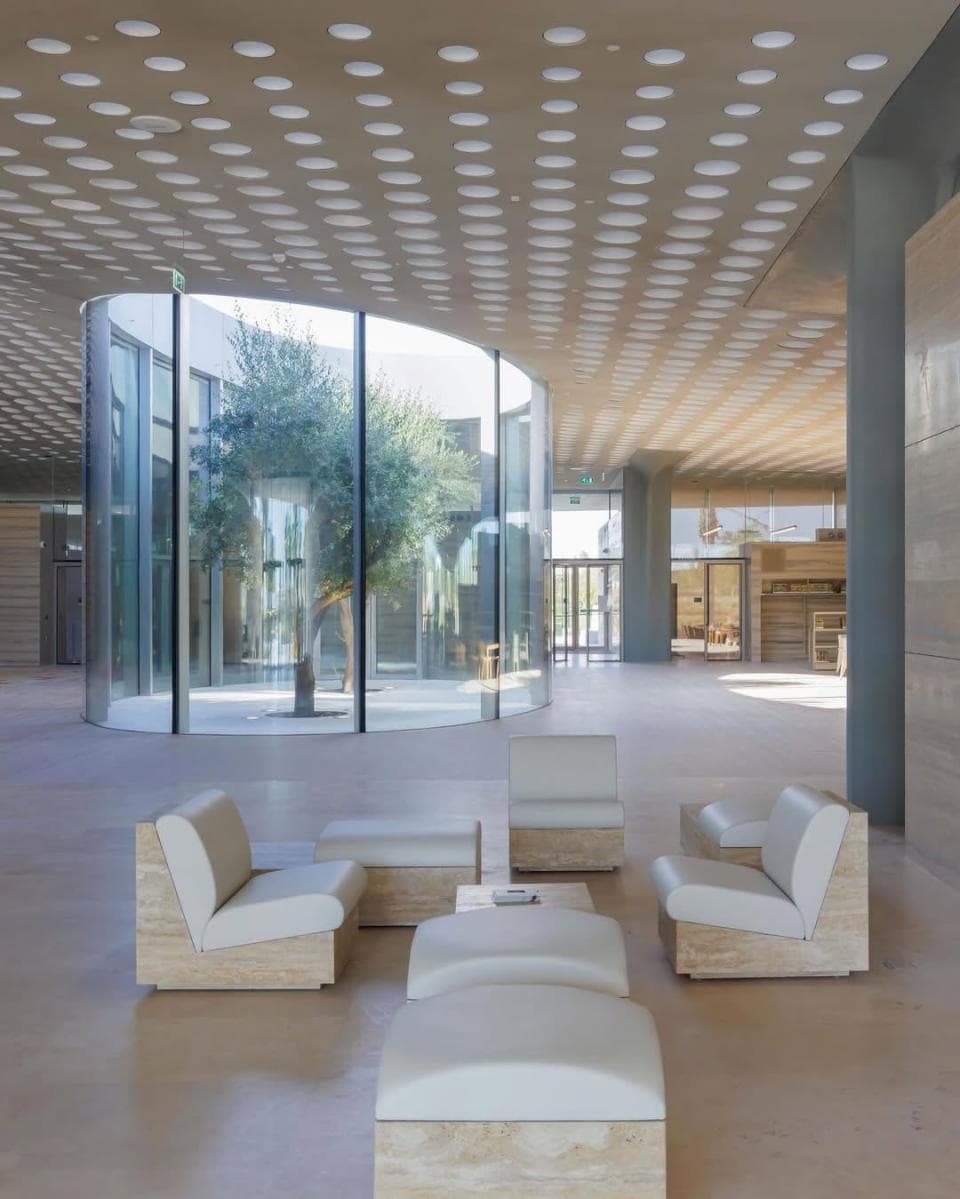
Left: The swooping roof of The Education City Mosque in Doha. Image: Parametric Architecture. Right: The cavernous lounge area with a light well to illuminate the space. Image: Parametric Architecture.
The Education City Mosque in Doha serves as an example of how environmental stewardship and spiritual architecture naturally coexist. The building’s retractable roof system — created by EMCAN and John McAslan + Partners — opens to let in natural ventilation in the cooler months and closes to turn on a high-efficiency HVAC system in Qatar’s sweltering summers. Thermal mass is provided by locally mined limestone cladding, which absorbs heat during the day and releases it at night. A large amount of energy is offset by solar panels built into the rooftop. The building’s orientation was determined to minimise mechanical cooling loads by about 30 percent by optimising current wind patterns.
The Forestias — Bangkok’s Biophilic Mega-Development
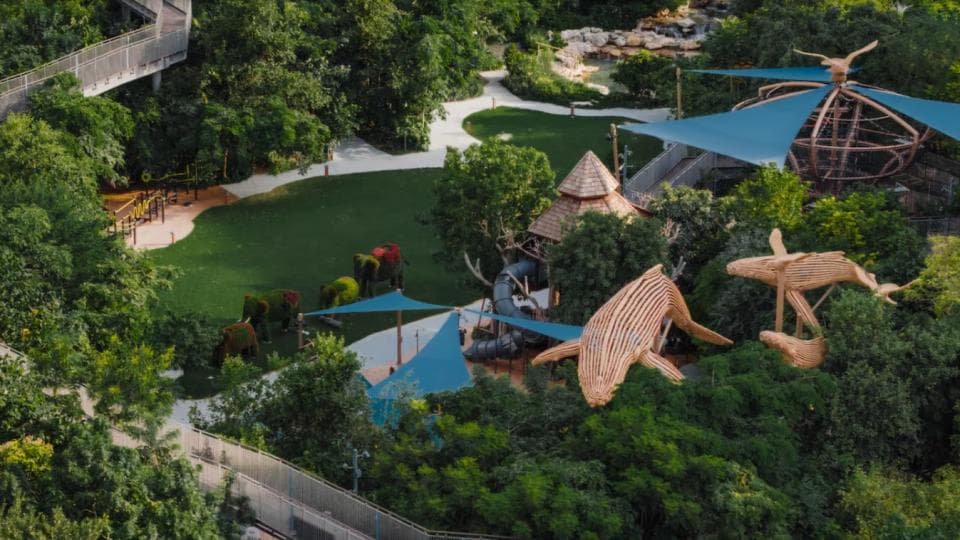
Left: The sprawling parks and manicured gardens enshroud The Forestias project. Image: MQDC.
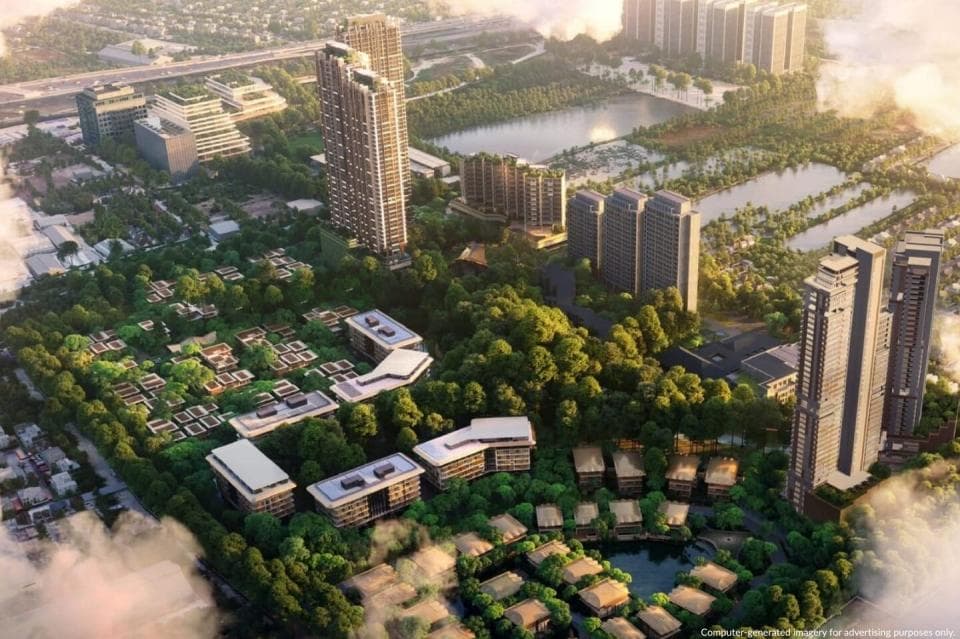
Right: The Foster + Partners’ designed property spans 64 hectares on the eastern side of Bangkok.
Image: MQDC.
The Forestias is the most ambitious biophilic development in Southeast Asia, spanning 64 hectares on the eastern edge of Bangkok and created by Foster + Partners for Magnolia Quality Development Corporation. A 4.8-hectare central forest, residential towers and a wellness centre are all part of Phase 1, which was finished in 2024. The reliance on concrete that characterises Thai construction is lessened by mass-timber structural components. The entire development is se
Read more from original article, all rights reserved 8 Green Buildings at the Forefront of Sustainable Architecture
Leave a Reply