
China’s luxury market is heading into 2026 in a period of cautious stabilisation following years of aggressive expansion and a sharp post-pandemic slowdown. Growth has shifted away from volume-driven strategies toward tighter pricing discipline, selective consumption and more deliberate brand engagement. Rather than opening stores at speed, brands are focusing on deeper penetration into rising cities, sharper segmentation and longer-term brand equity. Industry observers note that while the market has not returned to pre-pandemic growth rates, it is showing early signs of recovery. Analysts argue that the pace and sustainability of this rebound will depend heavily on consumer confidence and broader macroeconomic stability, rather than stimulus-led acceleration.
Focus on Rising Cities
Luxury brands are increasingly reallocating resources toward China’s so-called “rising” or lower-tier cities, where wealth accumulation continues even as top-tier consumption softens. Luxury brands have expanded store networks in tier-two and select tier-three cities such as Changsha, Wuhan, Chengdu and Xi’an, prioritising fewer but larger-format stores that anchor premium shopping malls rather than blanket expansion. A recent industry survey found that luxury brands opened 244 stores in China, with 169 in non-first-tier cities and 75 in first-tier markets, underscoring a shift toward broader geographic coverage.
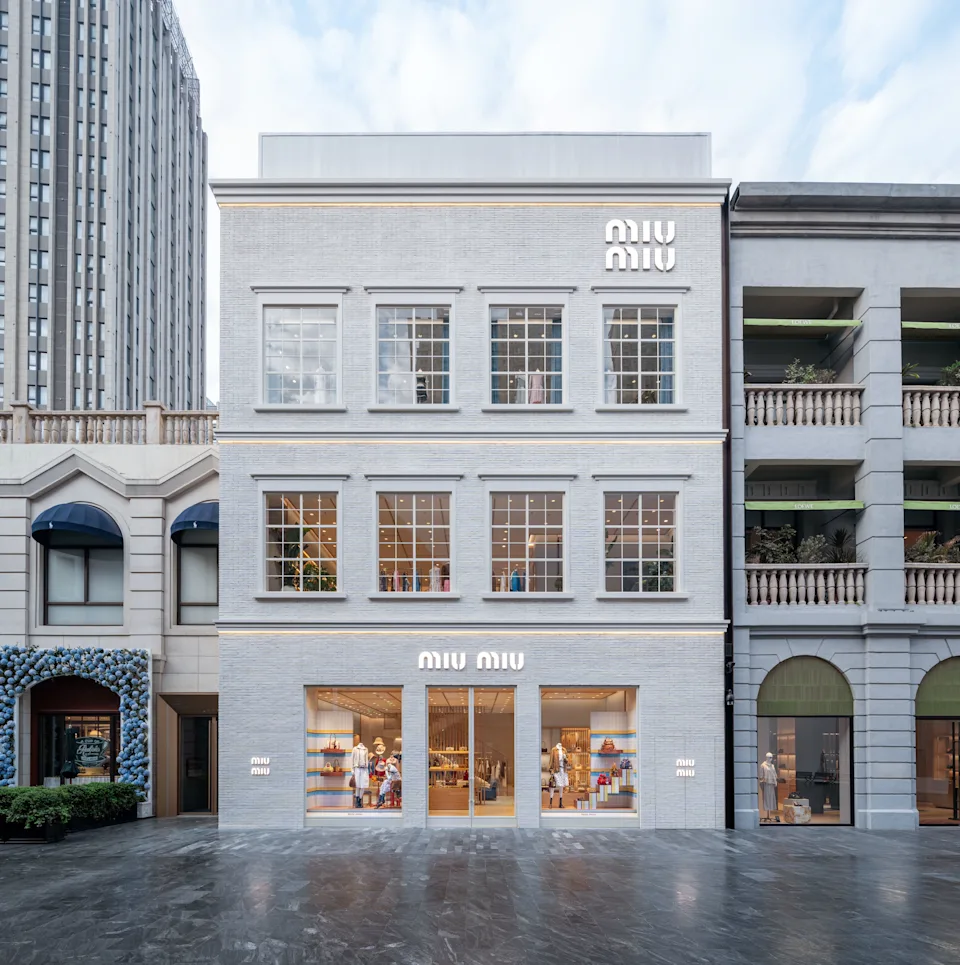
Emergent markets such as Wuhan, Chengdu, Xi’an and Hangzhou are increasingly important nodes in China’s luxury network, with luxury stores making up a growing share of total store counts outside Beijing and Shanghai. In May, Miu Miu opened its first flagship store (spanning around 5,200 square feet and three stories) in Wuhan, located within the newly opened SKP Department Store. This is also seen with Coach which opened a flagship in Wuhan and Moncler which opened new stores in Nanjing, Jinan and Hefei demonstrating investment in non-tier-one markets and expansion outside the very top cities.
Rather than accelerating store openings in Beijing and Shanghai, brands are selectively deepening their presence in tier-two cities where consumption remains resilient and competition is less saturated. This could potentially see a trend of luxury jewellery Maisons like Cartier or Van Cleef & Arpels presenting high jewellery events in third-tier cities like Hangzhou or Suzhou as Richemont reported overall growth in luxury jewellery demand in Greater China
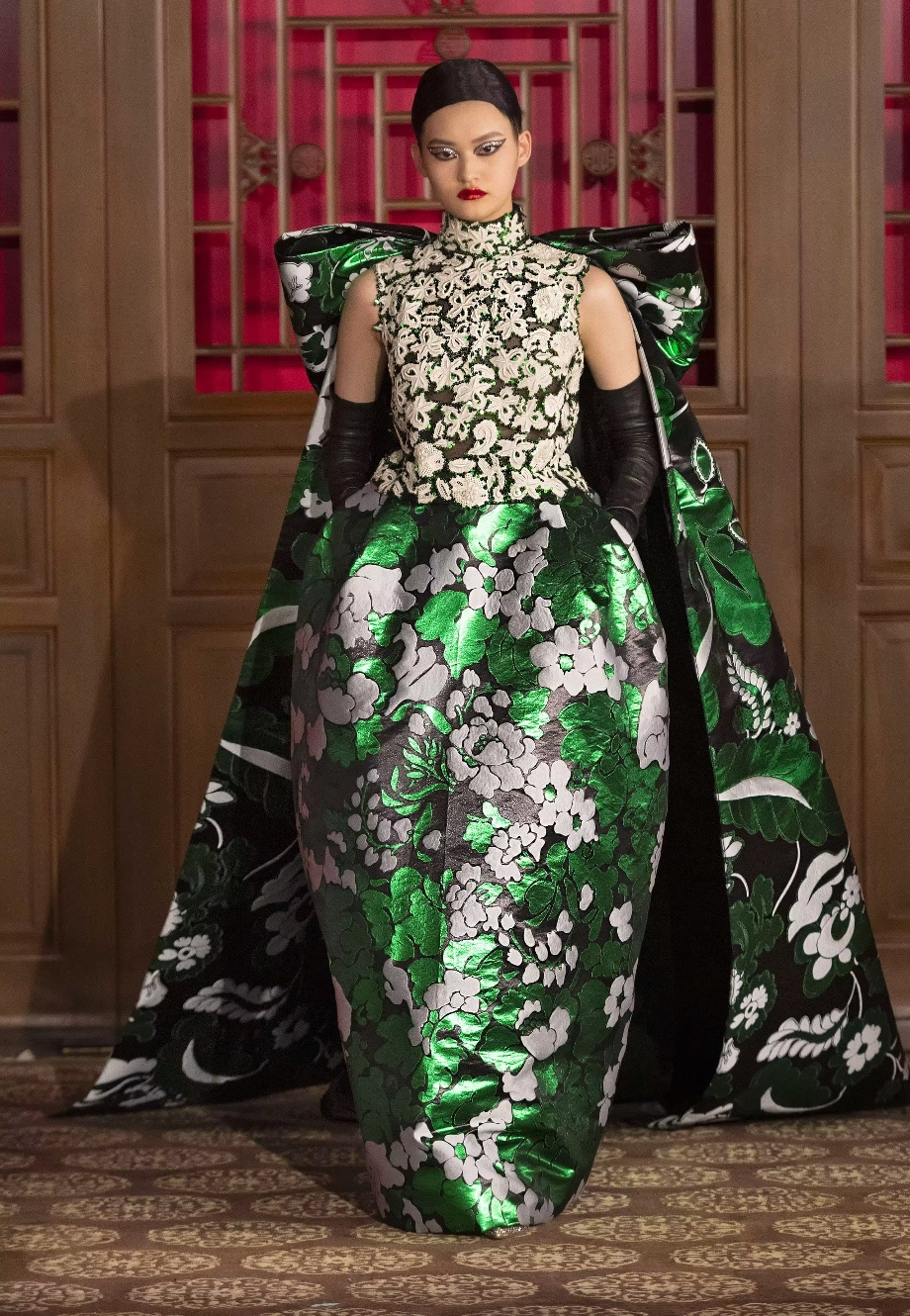
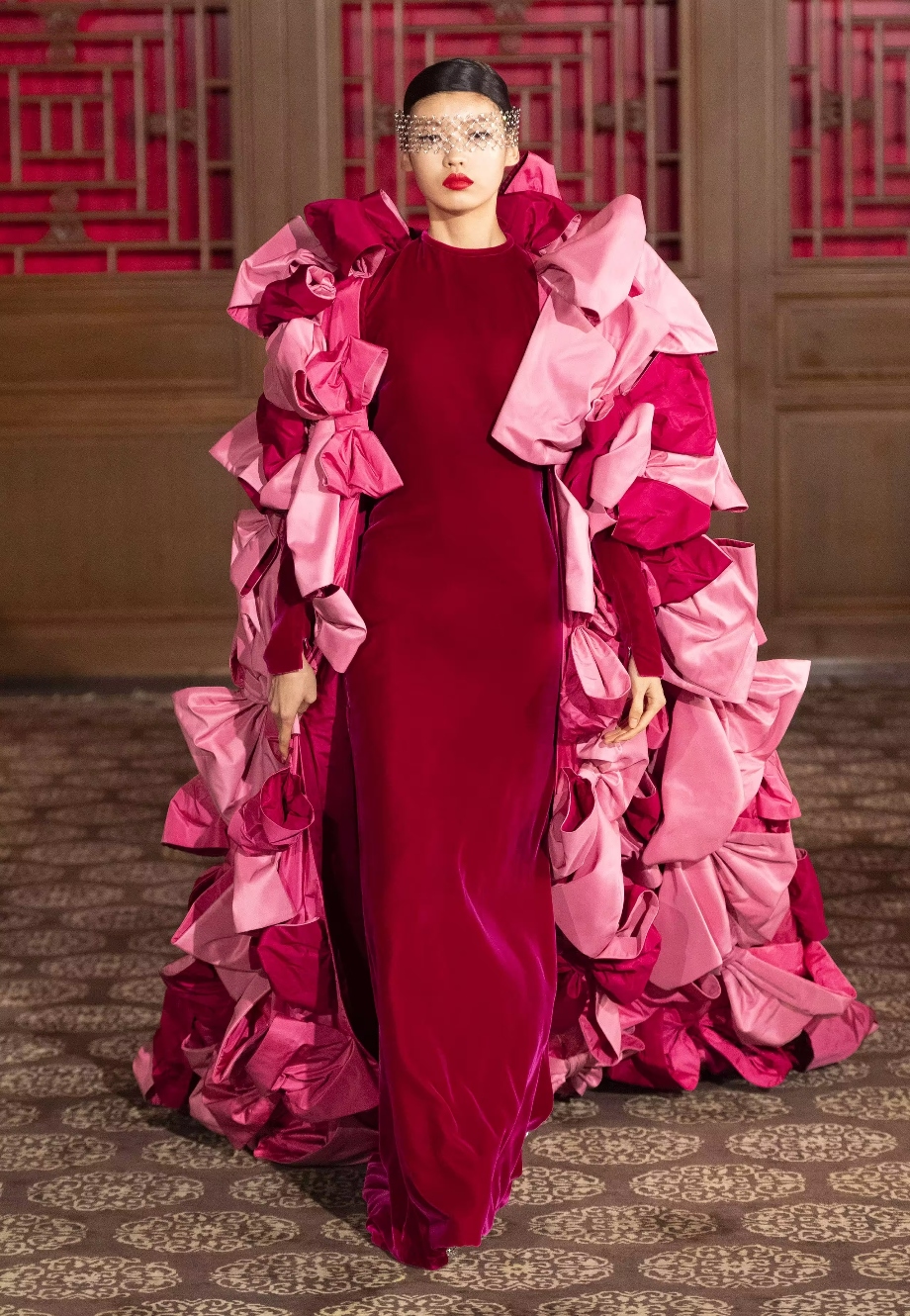
Valentino’s Haute Couture 2019 in Beijing
There is Luxury in Scarcity
Rather than pulling back entirely, Chinese consumers are becoming more selective. Spending is increasingly concentrated in categories and brands that deliver a combination of emotional resonance, cultural relevance and tangible value. This shift is forcing luxury houses to reassess product strategy, pricing architecture and engagement models, particularly as discretionary spending comes under pressure. This selectivity helps explain why certain segments are outperforming even as overall growth remains muted.
Rather than driving short-term volume through promotions or rapid rollout, brands are protecting pricing power and creative coherence to preserve brand equity. For example, Hermès continues to restrict supply in China, reinforcing scarcity and long-term brand strength rather than maximising near-term revenue. Valentino and Bottega Veneta have leaned into distinct creative identities — maximalism and craft-led minimalism, respectively — rather than chasing trend cycles tied to quick sales. Global luxury groups have scaled back aggressive discounting and price harmonisation in China, favouring tighter pricing discipline and fewer promotional cycles to safeguard brand perception — r
Read more from original article, all rights reserved Luxury Brands Face a Reality Check in China
Leave a Reply