

LUXUO examines China’s electric-vehicle market at a critical juncture, where slowing domestic demand, fierce local competition and ambitious global expansion are redefining the industry. From BYD overtaking Tesla to the struggles of legacy automakers, the market is in flux — offering both challenges and opportunities for brands and consumers alike.
A Market at Its Inflection Point
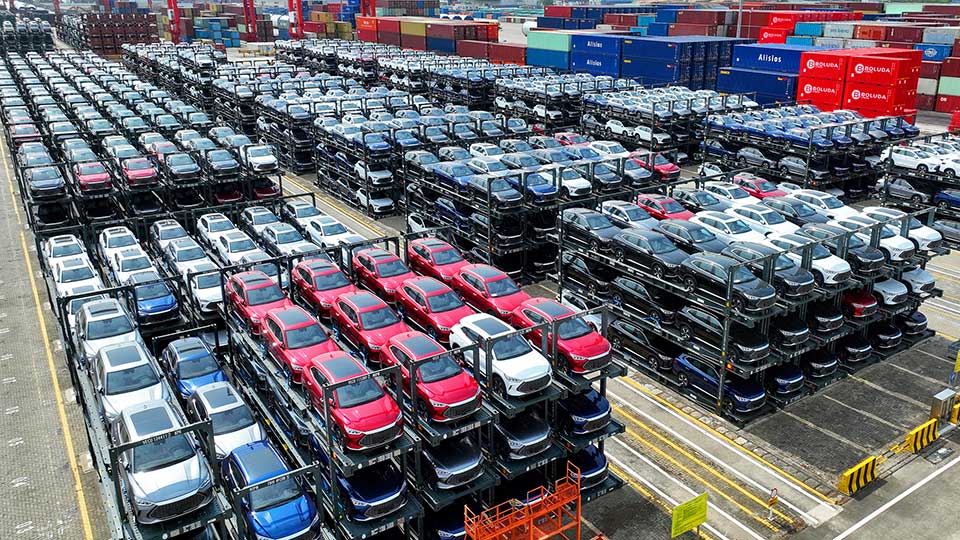
China’s electric-vehicle (EV) story is no longer one of steady growth. The sector is undergoing a strategic pivot as it deals with weakening domestic demand, reduced government incentives and increased margin pressure. China’s EV sector — once a forerunner of unstoppable expansion — is now facing a more disputed reality in 2026.
Earlier policy frameworks positioned EVs at the centre of China’s industrial aspirations. That has changed: Beijing has omitted EVs from the latest five-year plan’s list of priority industries, signalling the end of the period of unfettered backing.
Bloomberg has highlighted growing investor concerns, citing profit issues and disappointing results among EV producers. Meanwhile, exports have emerged as a key growth driver. Overseas shipments of Chinese automobiles — which will be mainly electrified in 2025 — climbed even as domestic sales slowed at the end of the year, forcing makers to hunt for demand elsewhere. Xpeng’s aggressive 2026 ambitions reflect deliberate adaptability rather than naive hope. Xpeng’s intention to sell up to 600,000 vehicles reflects a desire to diversify products and explore new technologies.
However, not all tales are positive. Commentators such as The Atlantic have described the market as “imploding” in places, citing significant discounts and waning customer enthusiasm.
BYD and the Global EV Crown
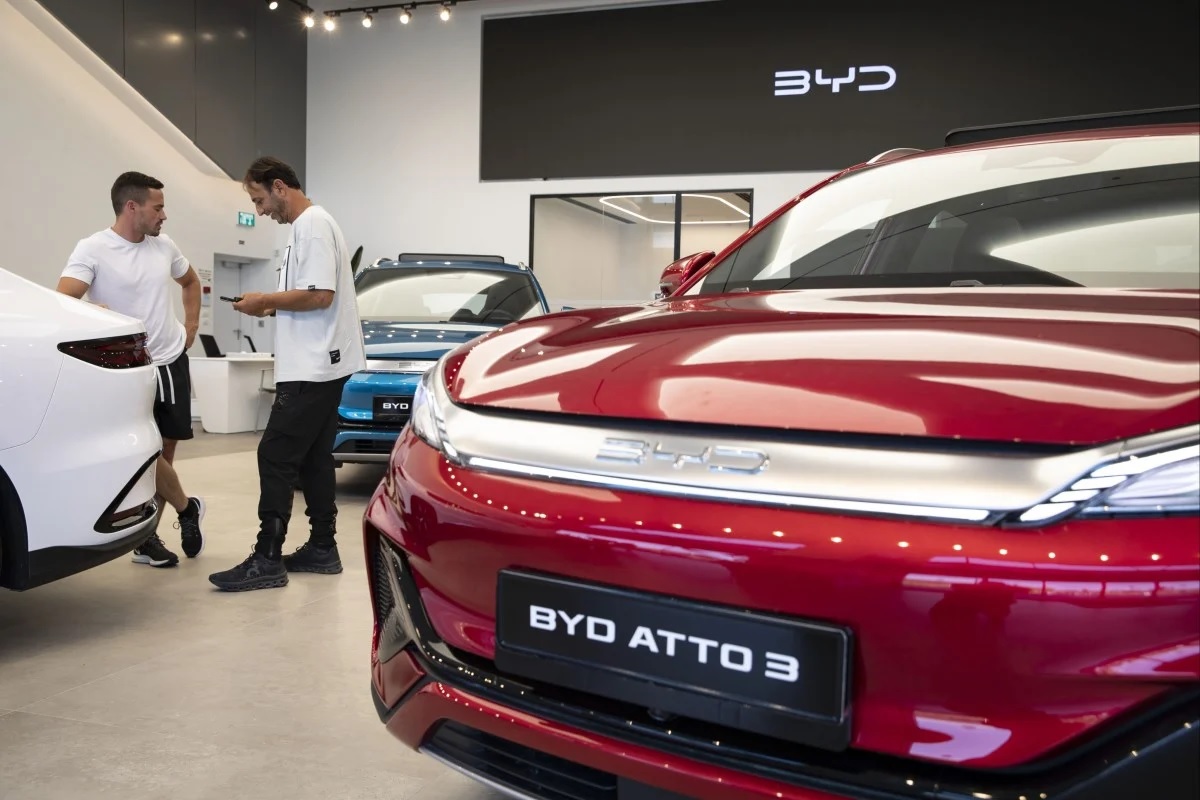
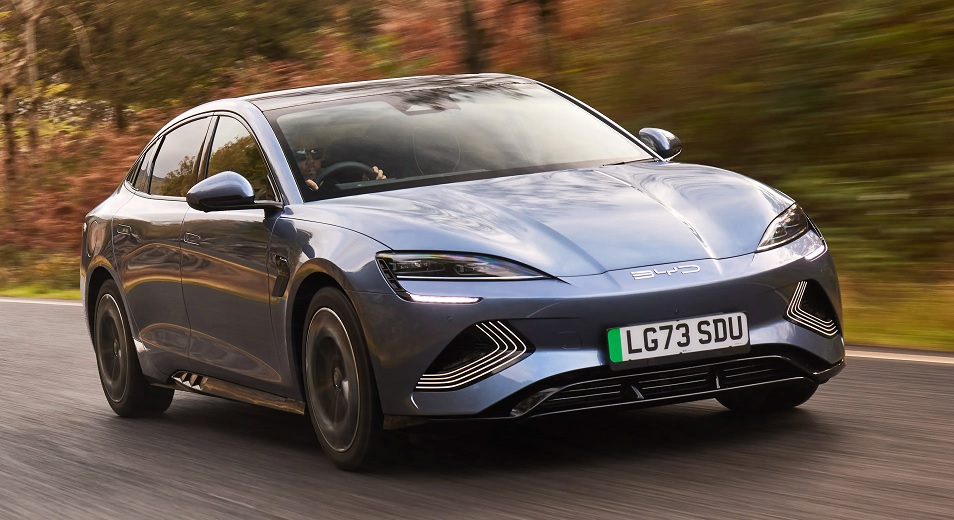
China’s EV story is not only domestic; it is global. In 2025, BYD eclipsed Tesla as the world’s largest seller of EVs, a milestone that reflects volume growth, affordability and vertical integration. The Shenzhen-based manufacturer has control over crucial components — particularly batteries — which allows it to manage costs and supply chain risk more effectively than Tesla. BYD’s development into Europe, Latin America and Southeast Asia highlights how Chinese EV brands may leverage local scale to achieve international dominance. As Stella Li — BYD’s executive vice president — points out, the emphasis is “on products people can actually afford and use every day.”
VW Slips to Third Place in China
Volkswagen — China’s long-time market leader — fell to third position in 2025, trailed only behind BYD and Geely, with fourth-quarter sales down 17.4 percent. VW and BYD both lost market share due to heavy competition from Chinese competitors, notably in the budget sector. VW intends to launch China-specific EVs and expand exports, but regaining domestic market share remains a major issue for CEO Oliver Blume.
Spaniard’s Love for BYD
S
Read more from original article, all rights reserved BYD Vs Tesla: China’s EV Market Takes On Global Leadership
Leave a Reply