

LUXUO explores eight key trends shaping interior spaces in 2026. Interior design is often an echo of societal (and economic) patterns as well as personal preferences. The year sees design trends continue to evolve, responding to consumer behavioural patterns and the need for spaces to either engage or calm the senses. Perhaps a reflection of shorter attention spans and the need for constant stimulation, these trends prioritise adaptability, moving interior styling toward environments that evolve with how one lives, works, plays and rests.
Pantone Colour of the Year — Cloud Dancer
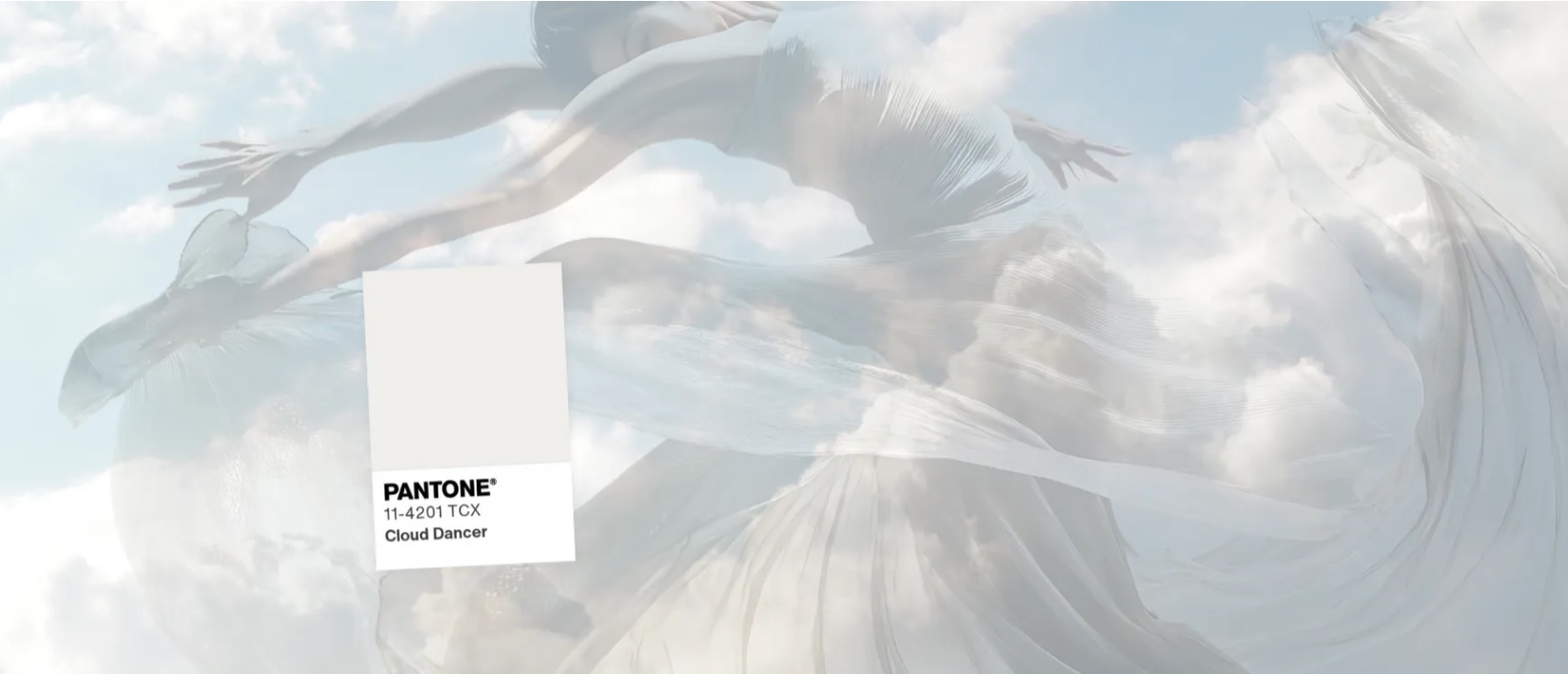
Cloud Dancer is Pantone Colour of the Year 2026. Image: Pantone. (left)
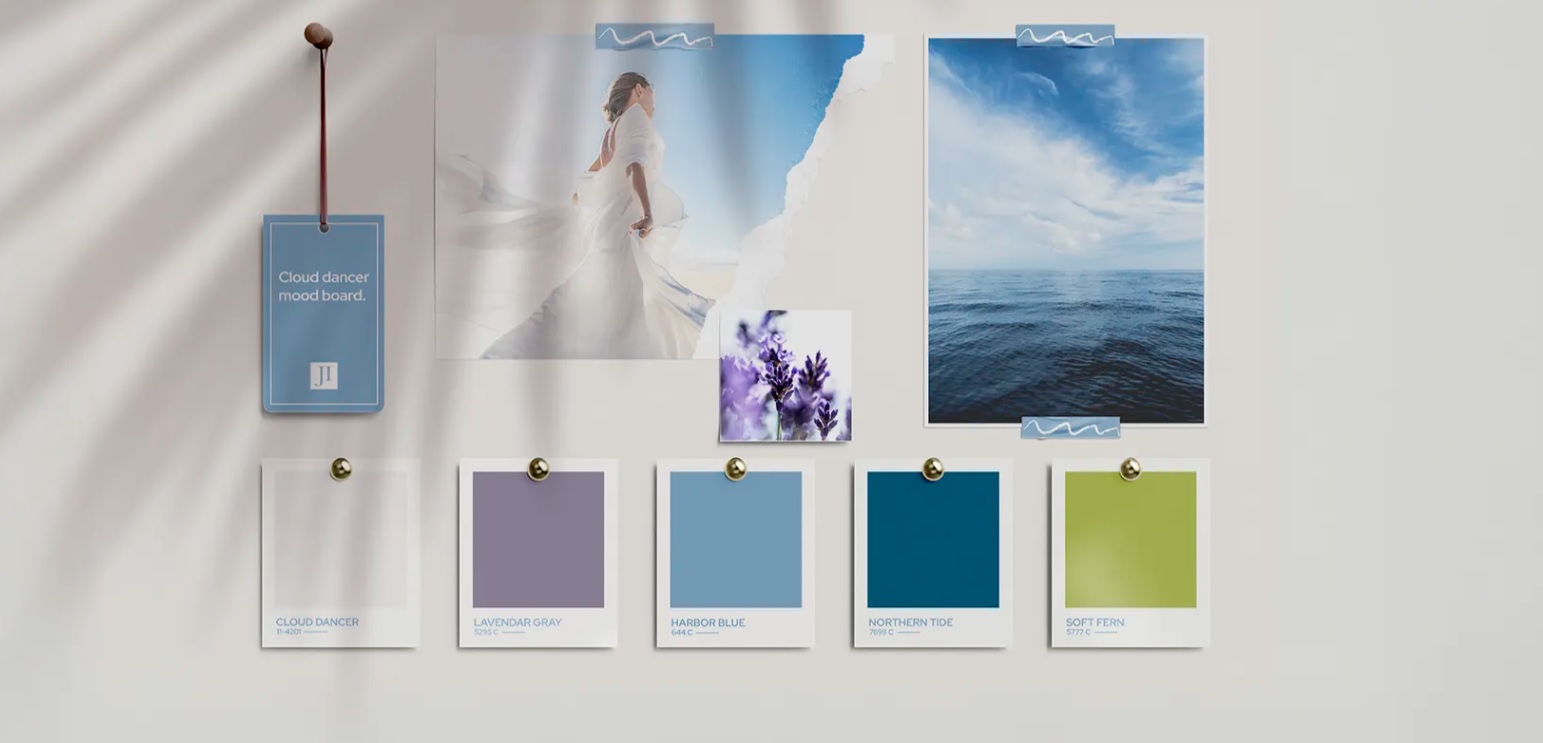
Mood board showing how to pair colours with Cloud Dancer. Image: Pantone. (right)
Pantone 11-4201 Cloud Dancer — the 2026 colour of the year — is a gentle, airy white chosen for its relaxing presence and symbolic reset amid a time of cultural overstimulation. As the first white hue in the programme’s history, it acts as a blank canvas for clarity, introspection and creative reinvention, complementing homes that value calm, sensory rest and long-lasting settings. In spaces, it improves natural light, increases volume perception and supports rich materials or sculptural shapes without competing for attention, making restraint a design strategy.
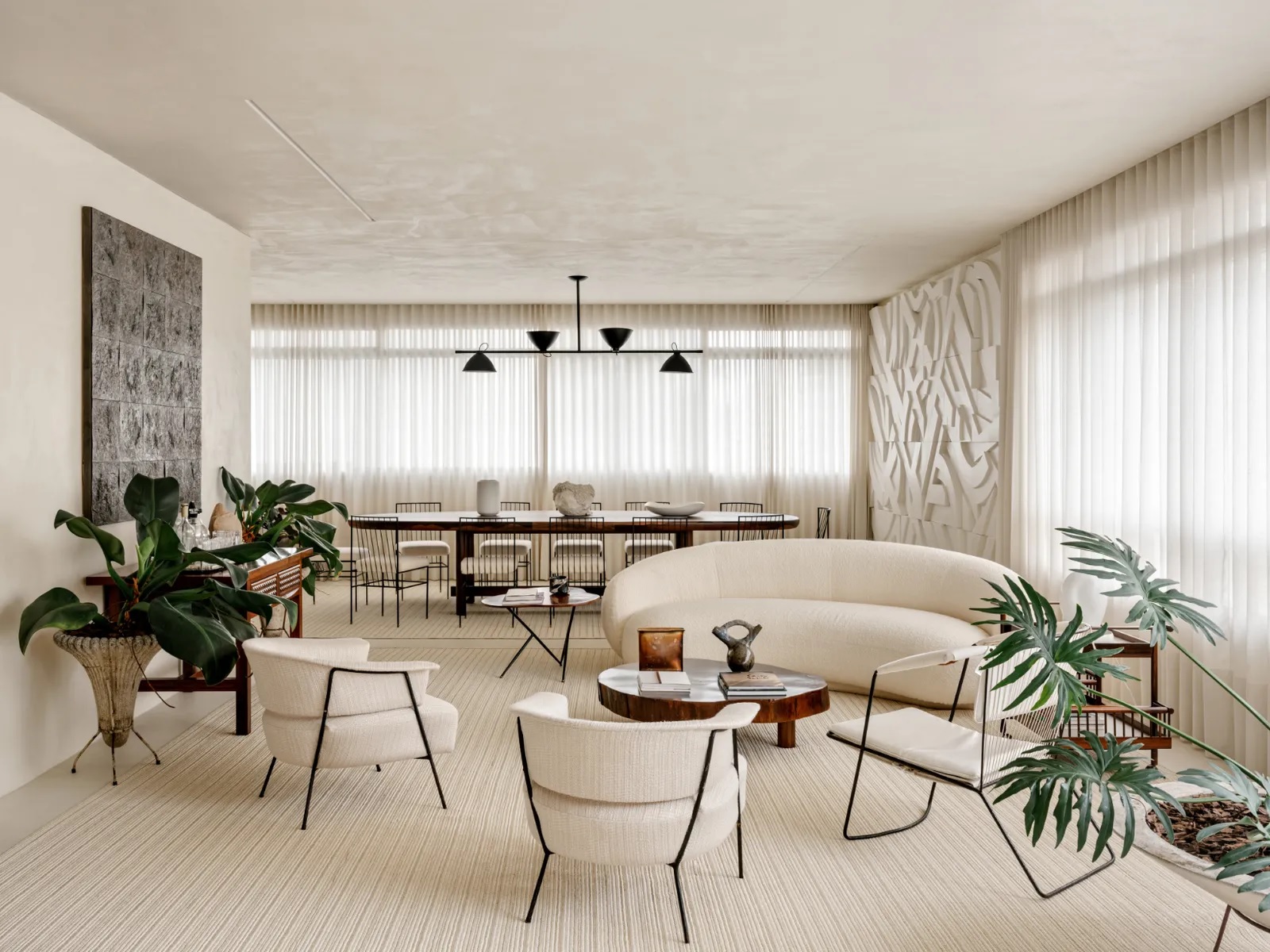
Interiors inspired by Pantone’s Cloud Dancer vibe. Image: AD Middle East.
Cloud Dancer is now being applied to plaster finishes, fabrics, micro-cement, stone and matte cabinetry, resulting in seamless tonal interiors that are intentionally quiet. Designers are employing it to frame bolder elements such as curving buildings, digital art walls and textured surfaces, allowing them to stand out without creating visual cacophony. Its transforming force is not found in intensity, but in the freedom to edit, simplify and breathe within a place.
Adaptive and Multi-Functional Spaces
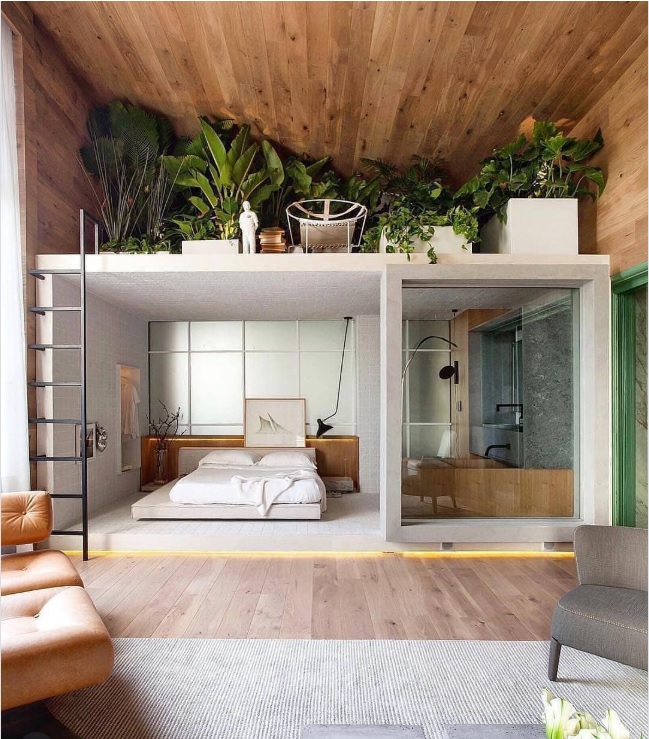
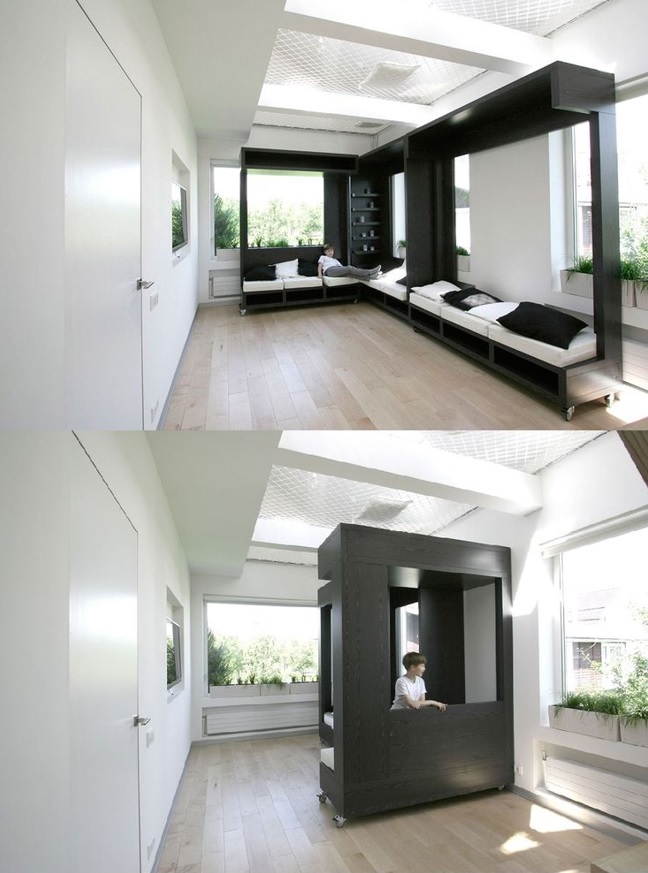
A loft space above a bed and bath area. Image: IG @community_journal (left)
Moving modules to fold away a large sofa system. Image: @pinterest t6omas (right)
Instead of fixed rooms, spaces are designed to change function — living rooms that convert into offices, bedrooms that fold away and eating areas that expand or contract as needed. This hybrid logic addresses modern living patterns and limited square footage. Multi-purpose interiors make the most of every square foot by including adaptable furniture, sliding partitions and transformable modules. In 2026, this expands beyond “tiny home hacks.” Developers are incorporating movable walls into full-size residences, while furniture companies are designing motorised tables, revolving bookcases and mattresses that disappear into ceilings. The alteration is not purely aesthetic; it is based on spatial economics where one room can now do two or three functions without appearing cluttered.
Biophilic and Sensory Design
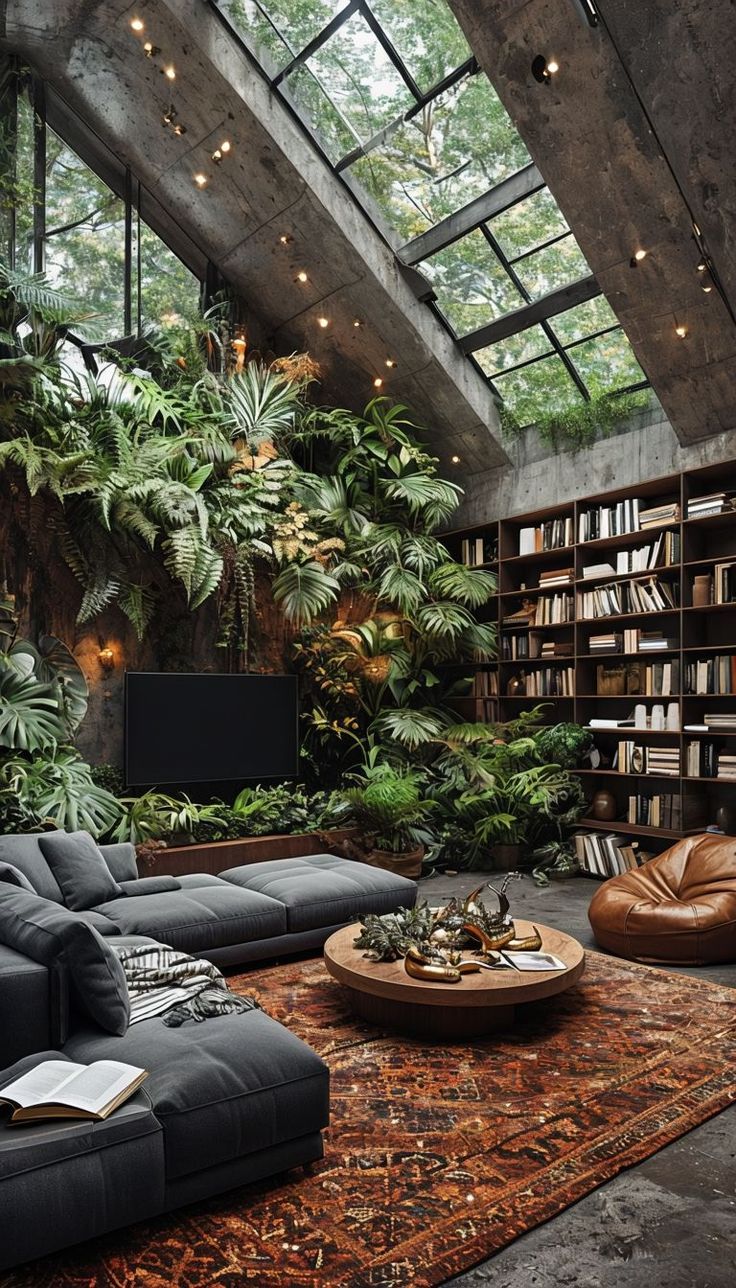
2026 sees the emergence of nature-driven interiors not only as decoration, but also as sensory spaces — with vertical gardens, integrated plant systems, natural light choreography and mossy and organic palettes that make interior ecology a vital component of wellbeing. The transition is from “plants in pots” to living architectural systems like hydroponic green walls, indoor courtyards and daylight-optimised layouts. Designers are focusing on how a place feels — air
Read more from original article, all rights reserved 8 Trends Shaping Interior Design in 2026
Leave a Reply