

Fragmented geography remains one of Southeast Asia’s most persistent challenges when it comes to connectivity. While commercial aviation links major cities with ease, access to remote islands and coastal destinations often relies on time-intensive transfers across land and sea. Seaplane Asia was established to address that gap. Founded in 2019, the company has developed an amphibious aviation model that connects travellers directly to resorts, islands and secondary destinations — bypassing traditional infrastructure. What began as a Thailand-focused charter concept has since evolved into a broader regional platform, spanning aviation, hospitality partnerships and curated travel experiences.
Dennis Keller — co-founder and CEO of Seaplane Asia — describes a business that has moved beyond proof of concept and is now focused on multi-market expansion. With active expansion across Thailand and Indonesia and plans underway for Cambodia and beyond, the business is positioning itself at the intersection of premium travel and regional mobility. LUXUO speaks to Keller on the next phase of Seaplane Asia’s development and its regional ambitions.
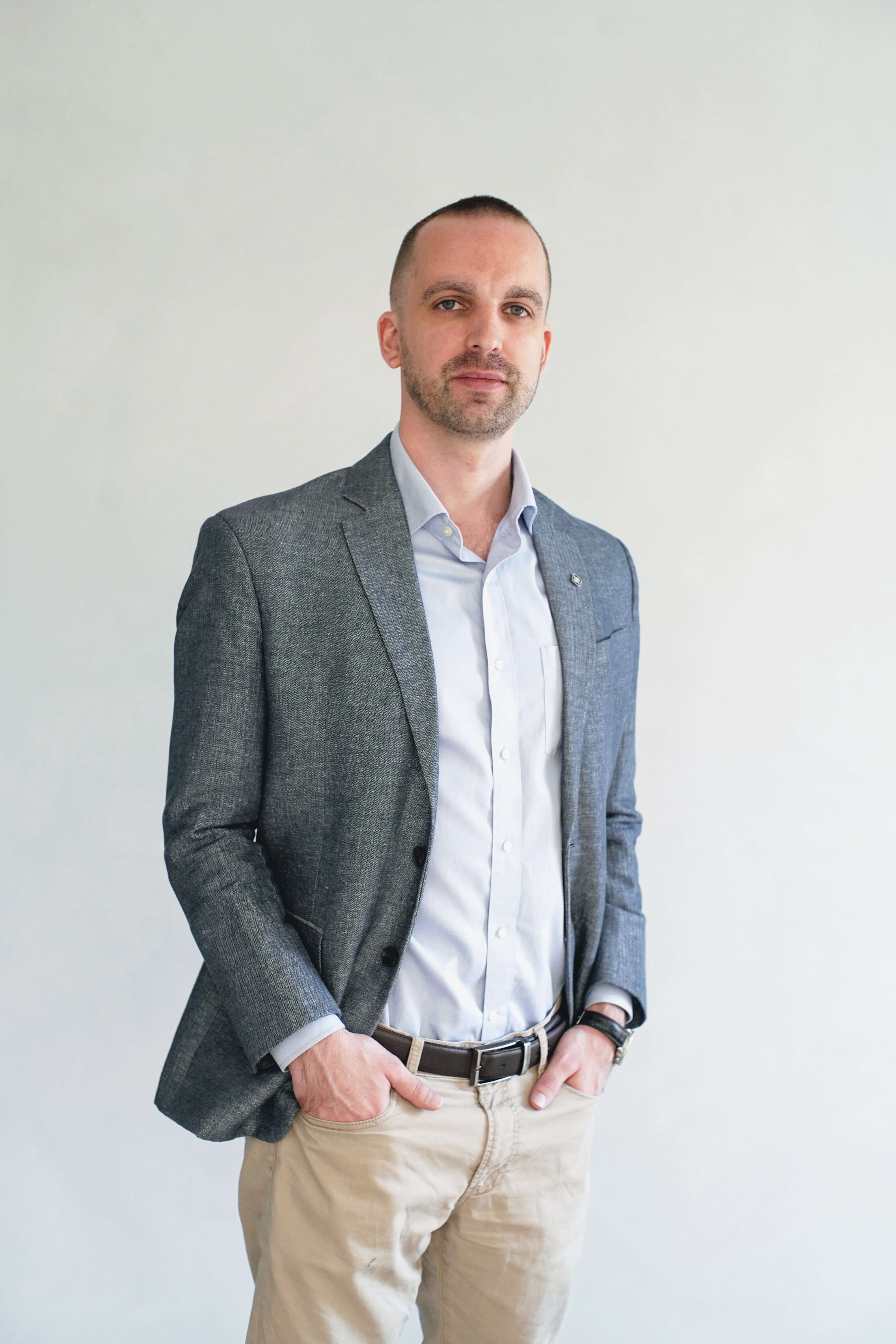
Can you walk us through the origins of Seaplane Asia and how the business has evolved since its founding?
The journey began with a simple observation: Southeast Asia has some of the world’s most stunning coastlines and islands, yet reaching them is often a fragmented, time-consuming ordeal. We founded Seaplane Asia in 2019 to bridge that “last-mile” gap. Unlike for a regular new airline, the development was not only about securing aircraft; it was about years of working with regulators to build the framework for amphibious aviation from the ground up — with the first unexpected hurdle being the COVID pandemic shortly after the company’s founding. At the same time, we built crucial partnerships with hotels and resorts and other lifestyle providers to be able to offer experiences and not just flights. Fast forward to today and we have evolved from a vision of premium Thai last-mile air charters and transfers into a multi-national group that is redefining regional connectivity and lifestyle services.
You described Seaplane Asia as a premium lifestyle platform rather than a charter airline. What does that distinction mean in practice?
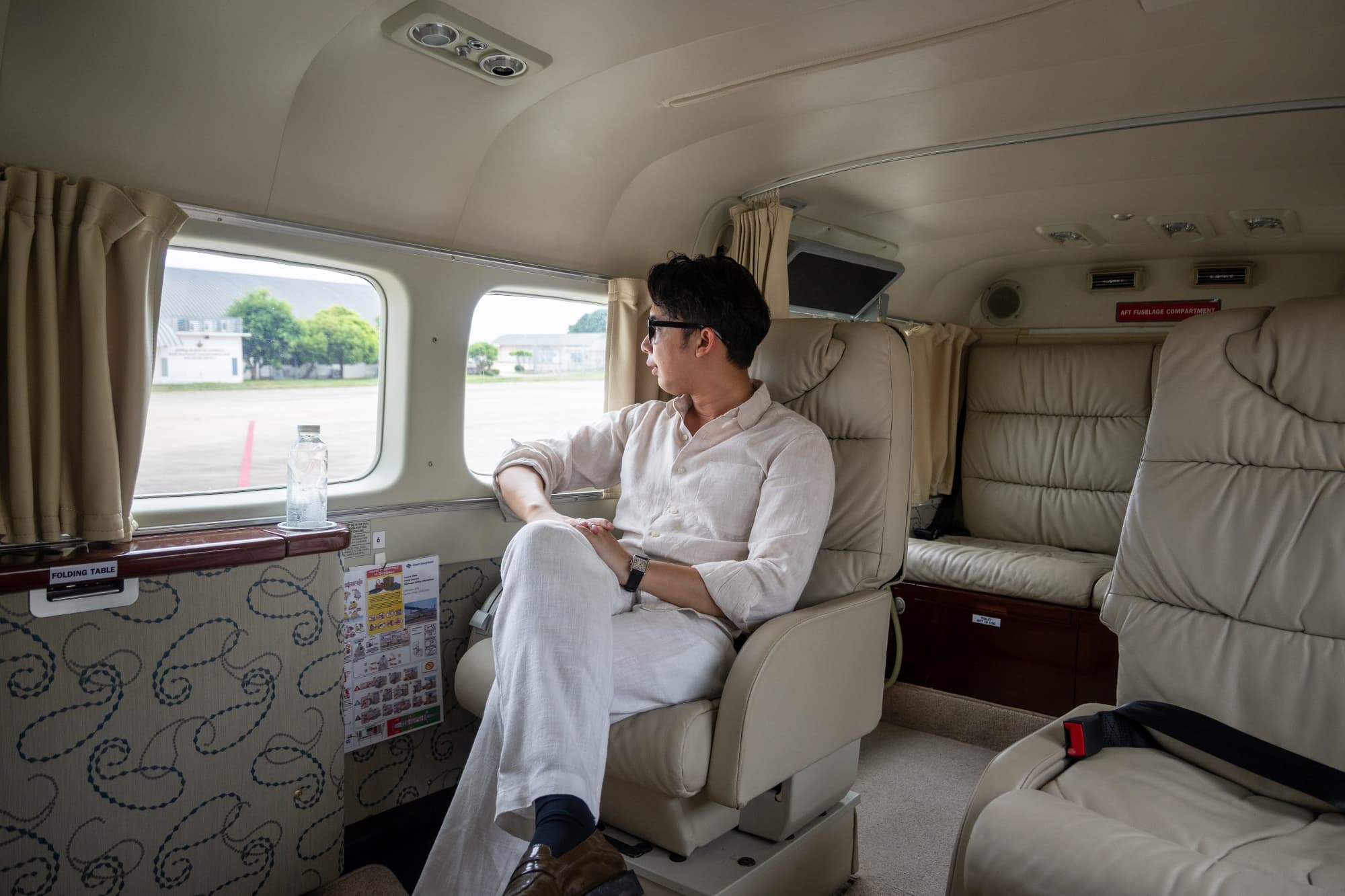
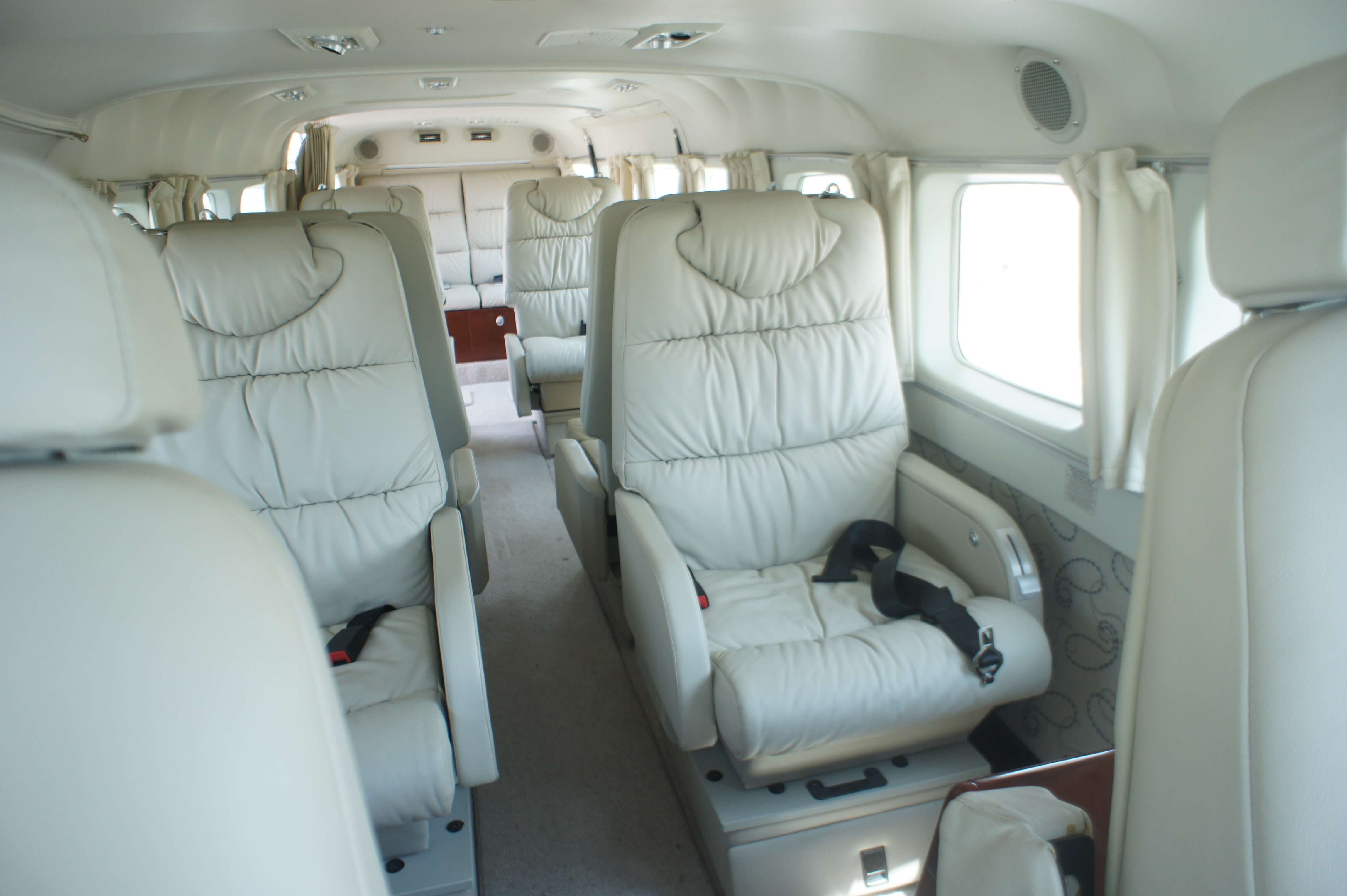
An airline sells seats from A to B. We sell time, access and emotion. Our “lifestyle platform” approach means the experience starts the moment you leave your front door — in fact, it already starts the moment you discover us through social media, our app or website, friends and family or through any of our channels — and does not end until you are at your resort, and possibly beyond with curated experiences for the whole journey. We integrate seamlessly with luxury hospitality, bespoke concierge services and carefully chosen activities. We are not just a transport link; we are (one of) the highlights of the holiday or travel itself.
How many aircrafts do you now operate within the Seaplane Asia fleet?
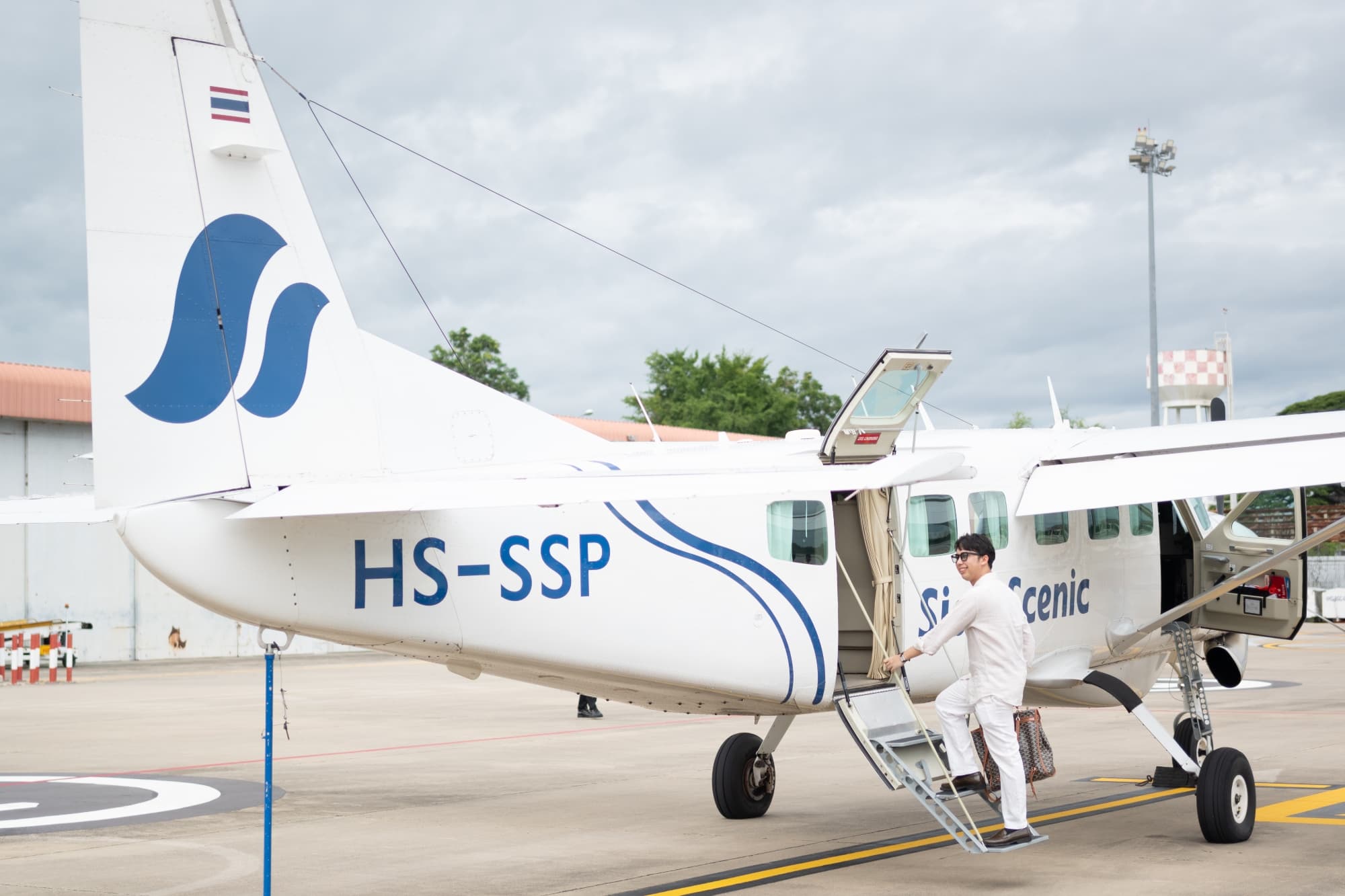
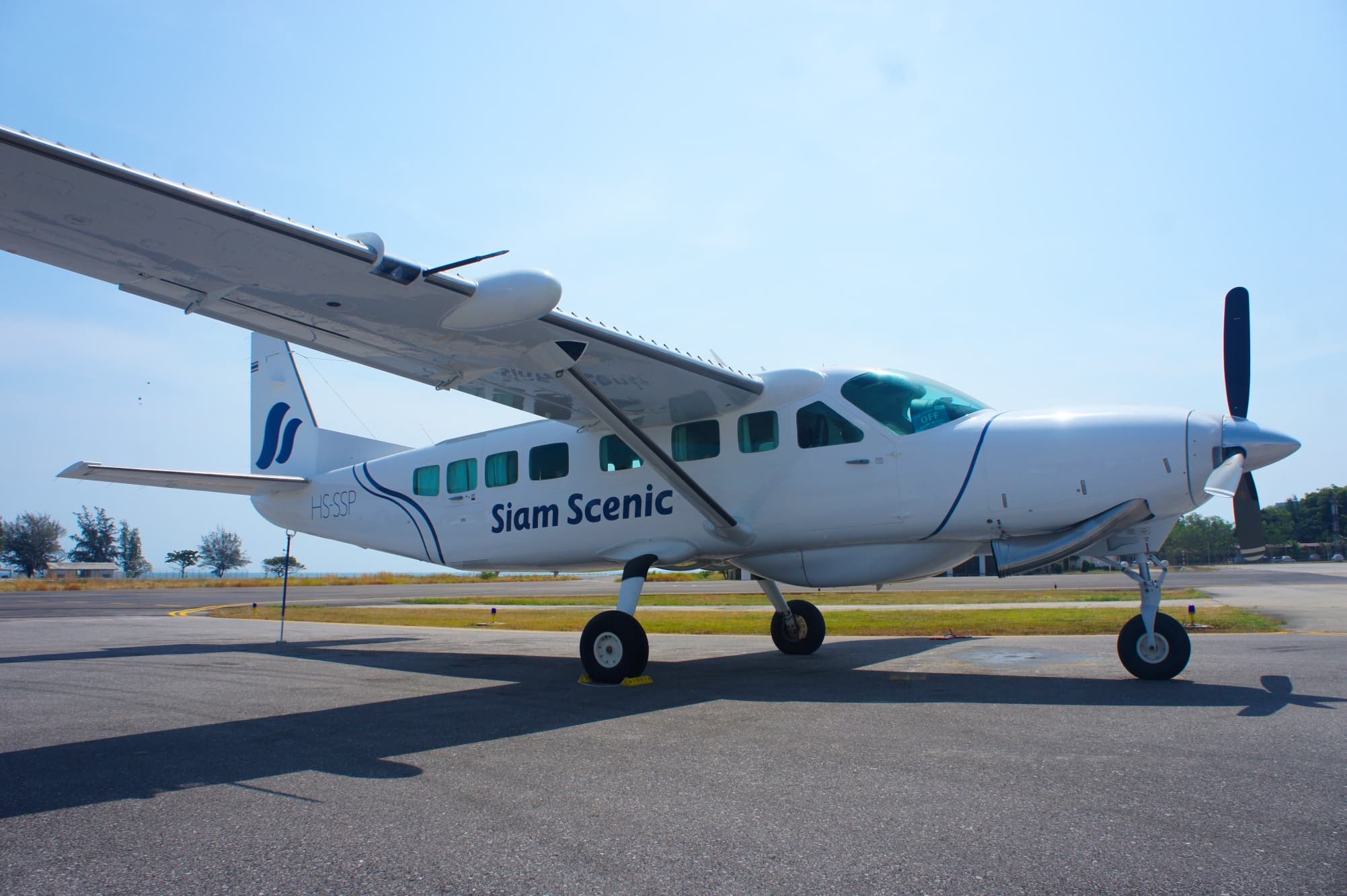
We are very deliberate and disciplined about our growth. In aviation and particularly in a pioneer category like ours, safety and operational excellence must always precede fleet size.
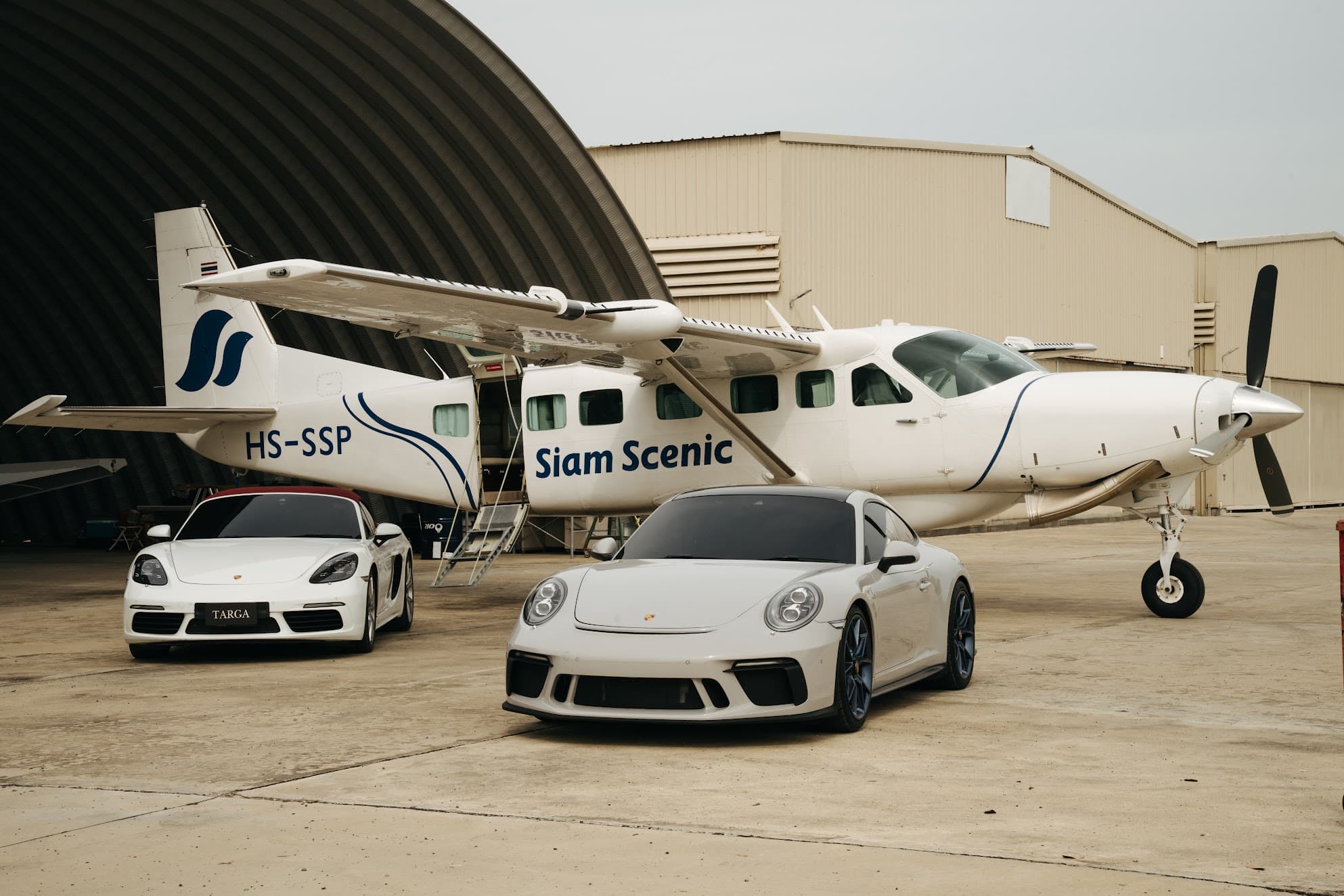
Because we spent several years working with authorities to build the regulatory framework from the ground up, we are now in the “activation” phase. Currently, in Thailand, we have our first flagship Cessna Grand Caravan EX operational, with preparations finalised to bring our fleet to three aircraft within 2026. We are mirroring this trajectory in Indonesia, with one active aircraft scaling to at least three units within this year.
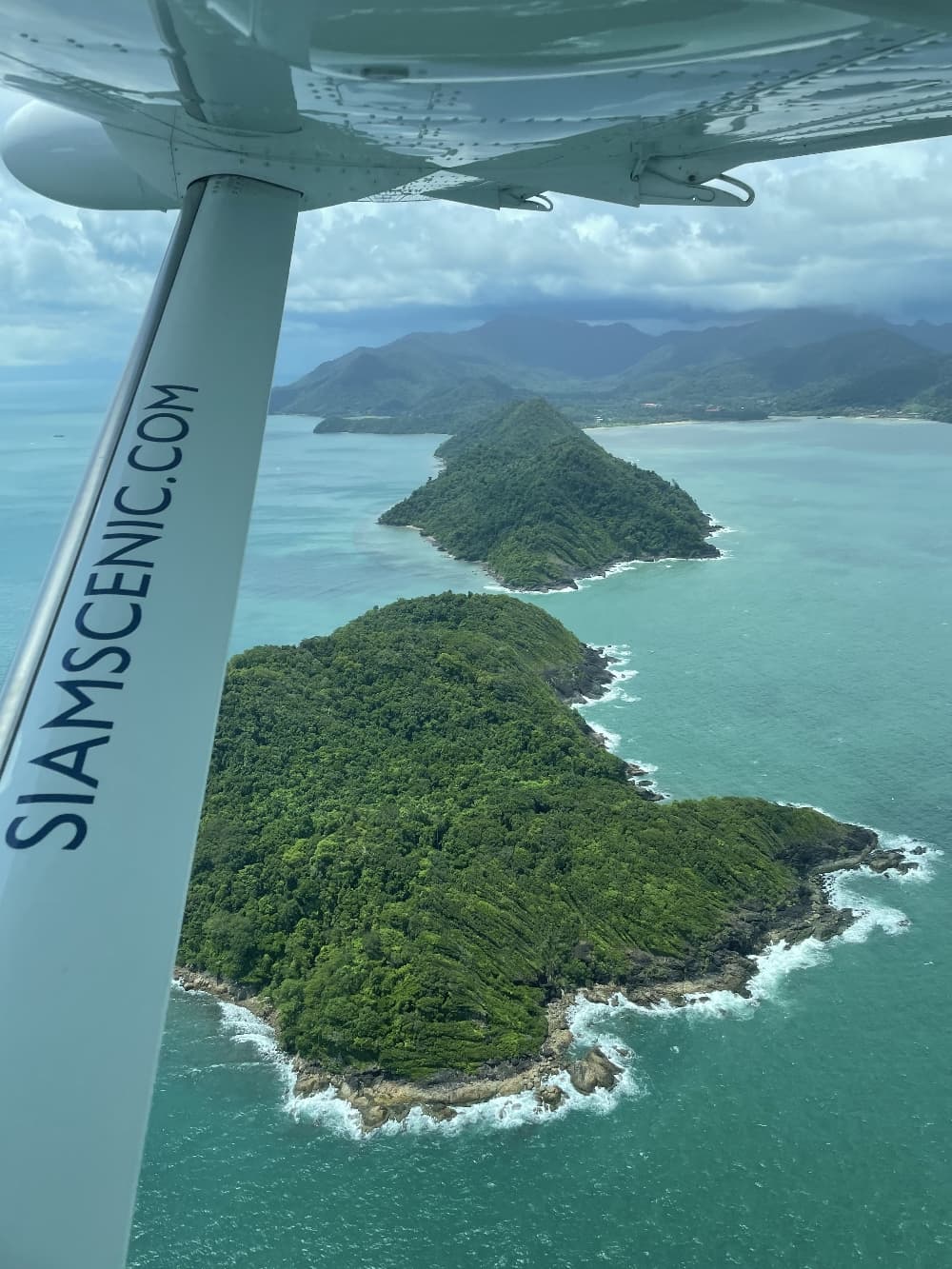
However, these are just the first steps of a much larger journey. Our five-year roadmap targets a core fleet of 15 aircraft per primary market. But if you look at the sheer geography of Southeast Asia and the growing “last-mile” connectivity gap, we believe each of these markets has the potential to eventually sustain 30-50 aircraft or more. This may be a combination of traditional seaplanes and new-generation aircraft (eVTOL and otherwise). We aren’t just adding planes to a list; we are scaling a sustainable network that can grow as the infrastructure and market demand mature. We’re building for the long term, ensuring every new tail number we add maintains the same uncompromising standard of excellence our guests expect.
How are you approaching the development of landing sites and what does your current pipeline look like?
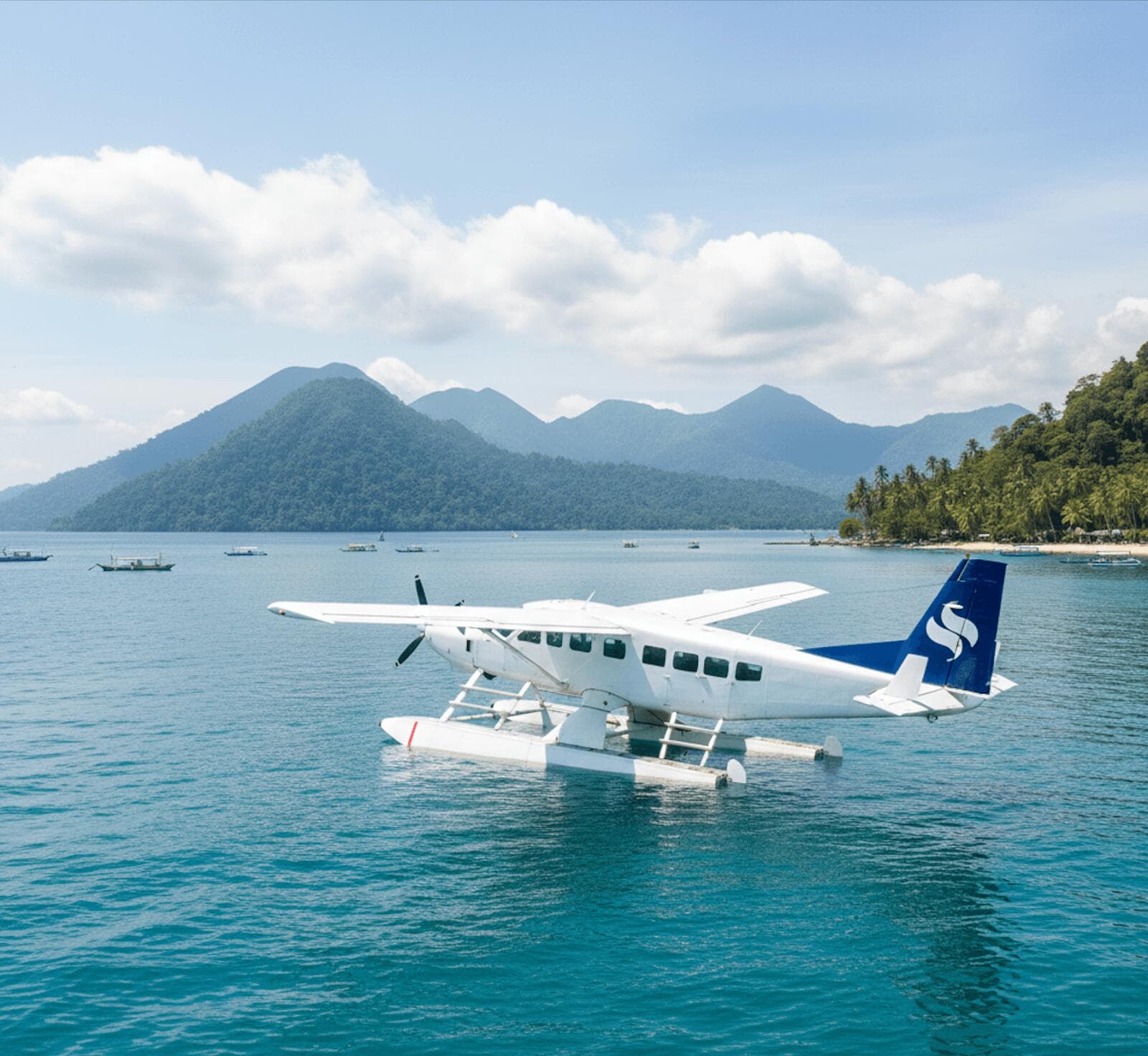
The map is expanding rapidly, but the number is only part of the story; it’s about the regulatory milestones we are achieving in each market.
In Indonesia, we have a head start because the geography has long demanded water-based solutions. We’ve already made history with our inaugural flights and water landings at Lake Toba in North Sumatra, the world’s largest volcanic lake,and established a strategic operational hub at Banyuwangi. This “archipelagic readiness” has allowed us to move quickly, securing several key sites.
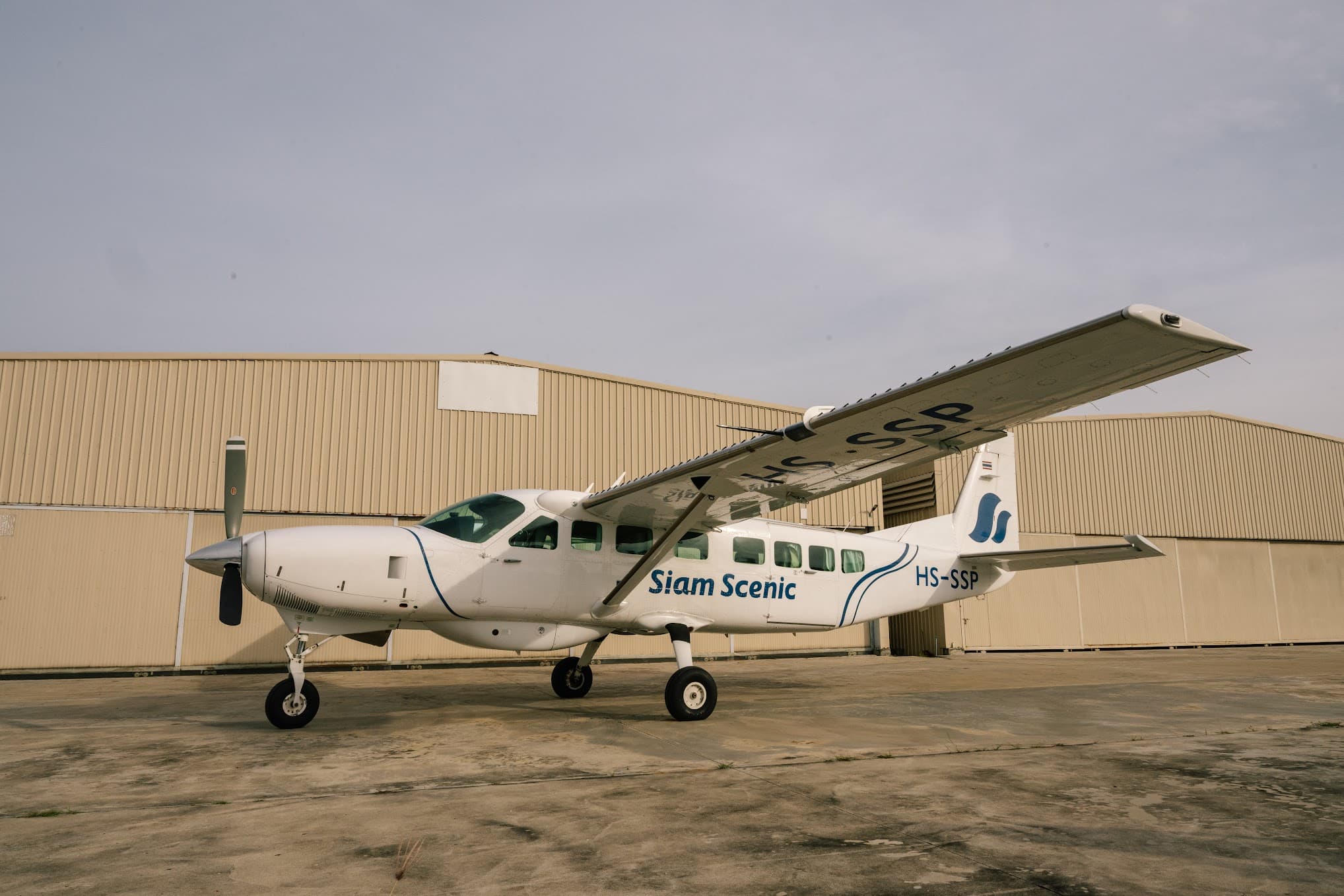
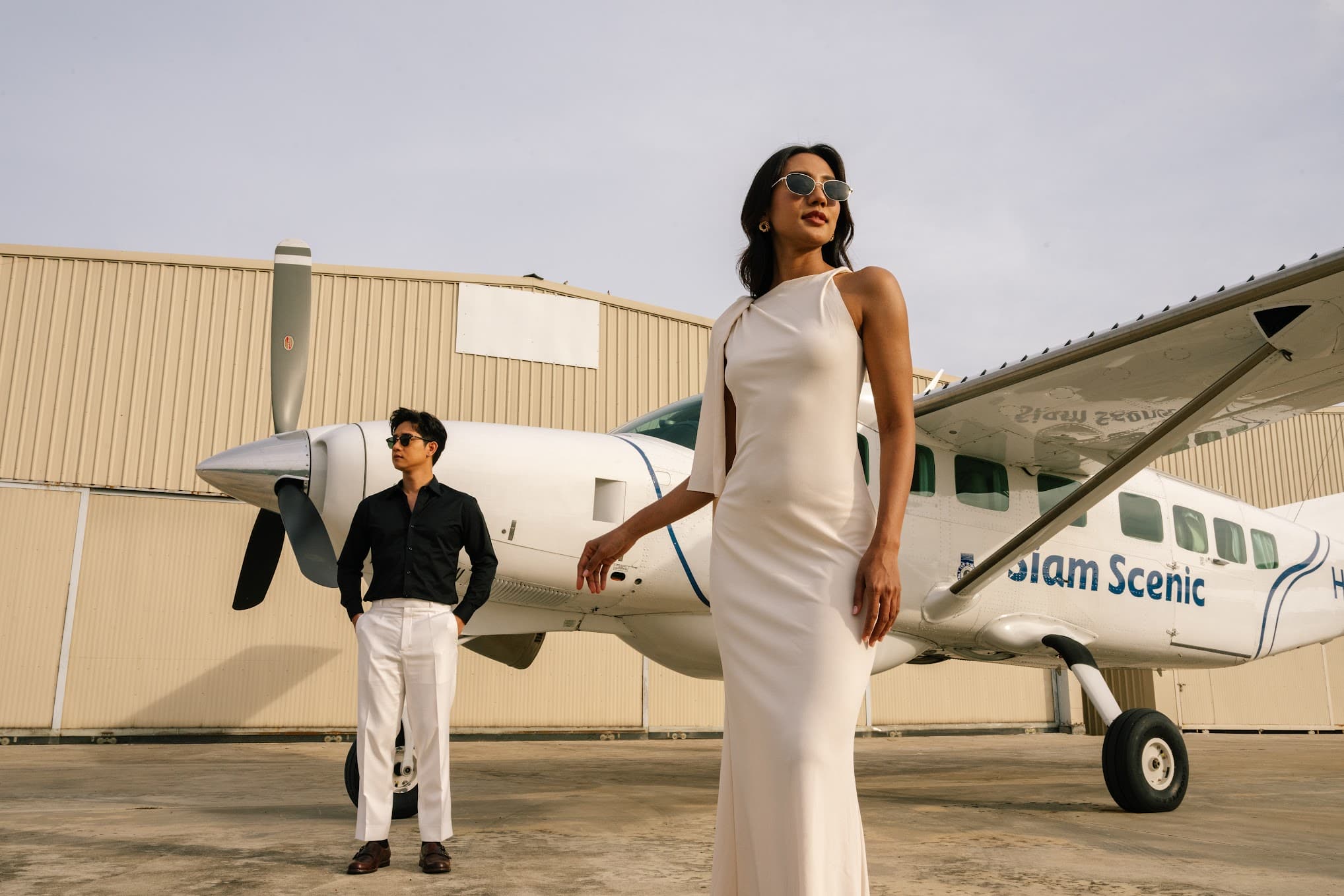
In Thailand, the journey has been about pioneering a completely new framework. We’ve worked hand-in-hand with the Civil Aviation Authority and a number of other government authorities to establish the first-ever dedicated seaplane regulations, which officially went live in 2025. Because of this groundwork, we are now ready to activate our initial primary cluster in Phuket, Phi Phi and Krabi. These are our “Phase 1” sites.
However, we have a pipeline of over 50 additional locations. Each of these requires a delicate balance of assessments, technical and commercial feasibility and importantly local community engagement. From the dams and rivers of Laos and Kanchanaburi to the remote islands of the Philippines, our goal is to create a “plug-and-play” network of water runways, complemented with existing airports and runways. To do this sustainably, we don’t just “land”; we identify the right local partners who want to protect these hidden gems as much as we want to share them. We are building the infrastructure of the future using the natural runways that have been there all along, with a clear “leave no trace” sustainability mindset.
How do your hotel partnerships support the broader Seaplane Asia ecosystem?
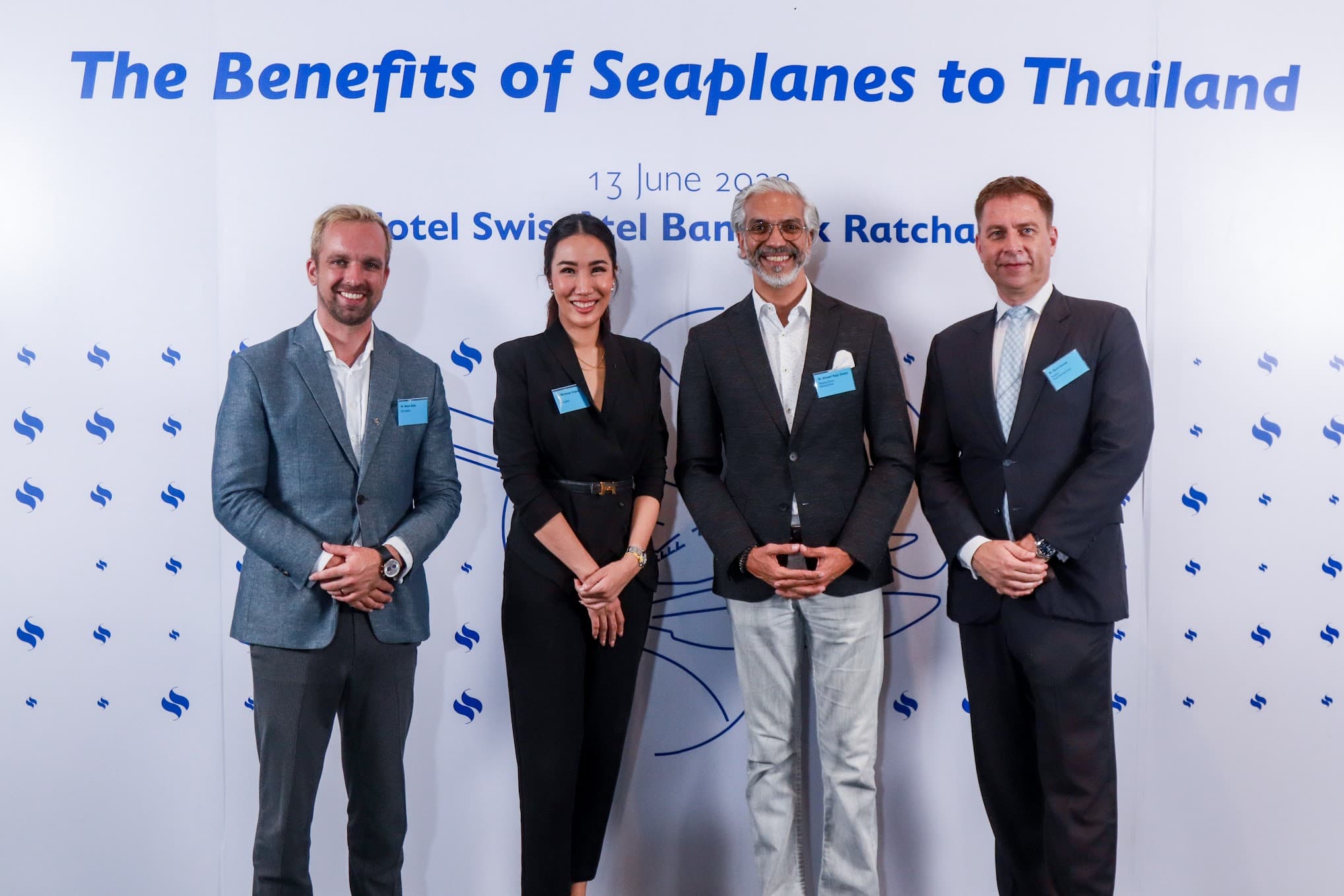
Our hotel partners are the “anchors” of our ecosystem. Luxury travelers expect a frictionless journey. By partnering with brands like Aman, Four Seasons and Six Senses, we ensure that the Seaplane Asia experience is an extension of their own five-star service.
Indonesia has become a key market. Which routes and destinations are you currently focused on?
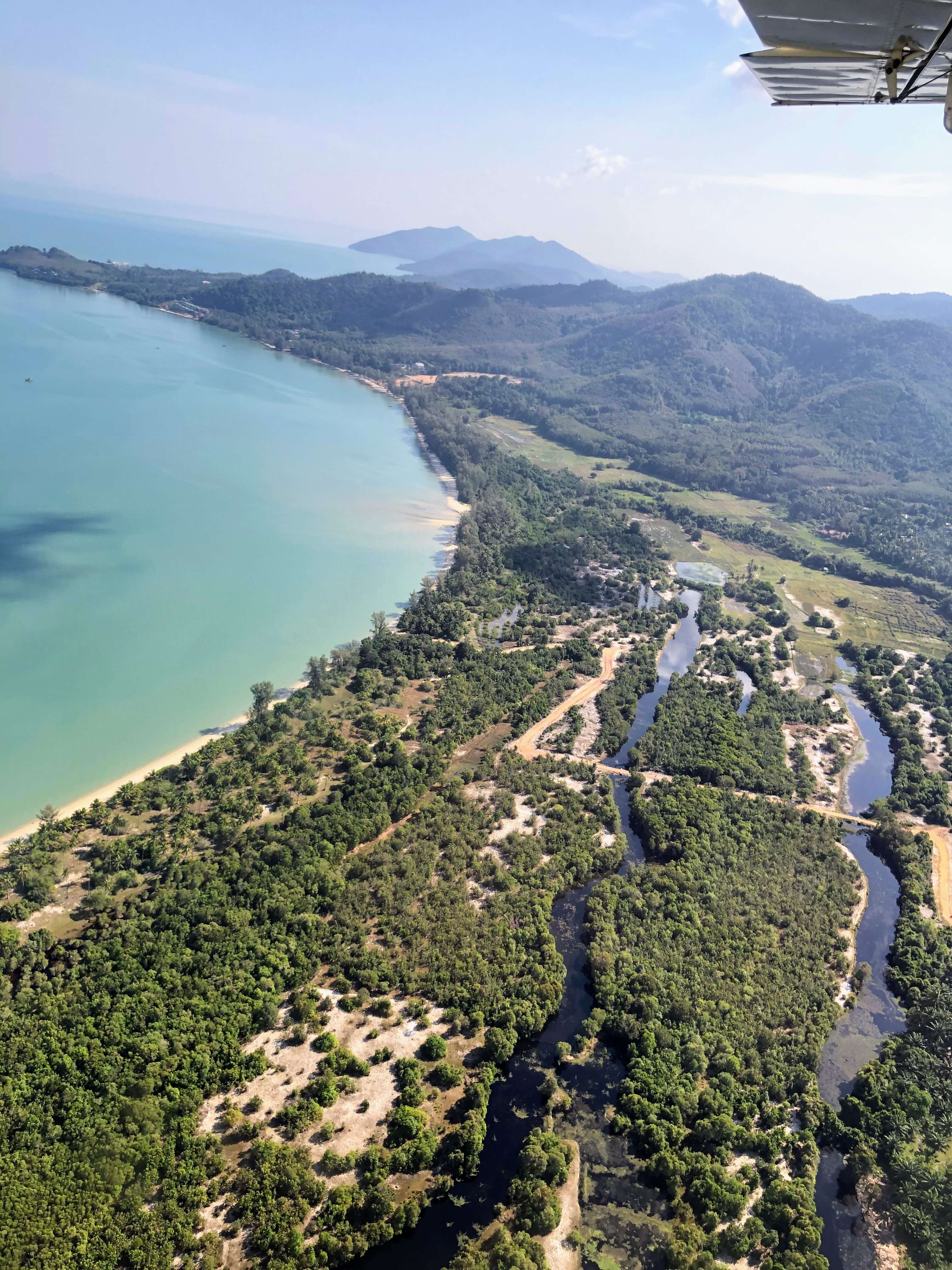
Indonesia is the world’s largest archipelago with over 17,000 islands, making it a natural fit for us. Our focus initially is on Bali and its surroundings with an immediate view on expansion for the “New Bali” destinations. Bali is the most visited destination in Indonesia and internationally famous, which provides us with a well-known base from which we will show our guests that Indonesia has so much more to offer. Destinations include Banyuwangi in East Java — including scenic flights to see the volcanoes of Mount Ijen and Bromo — charter potential to nearby destinations in East Java such as Surabaya or Malang and both scenic and transport flights across Northern and Southern Bali, Lombok and Moyo island.
Various other locations are being actively explored, such as Riau islands, Mentawai, Lake Toba — where we did our first successful seaplane flights in Indonesia last year in partnership with Marianna resort, Labuan Bajo, South Sulawesi, Rote, Raja Ampat. The list feels endless and we are ramping up very fast in Indonesia now to be able to cater to the multitude of use cases across the archipelago. I am proud that we enjoy fantastic collaboration and support from central and local governments and many commercial partners and stakeholders along the way, under the leadership of Wirmandi Sugriat, our Indonesian CEO.
Do Seaplane Asia services and flights come at a premium price?
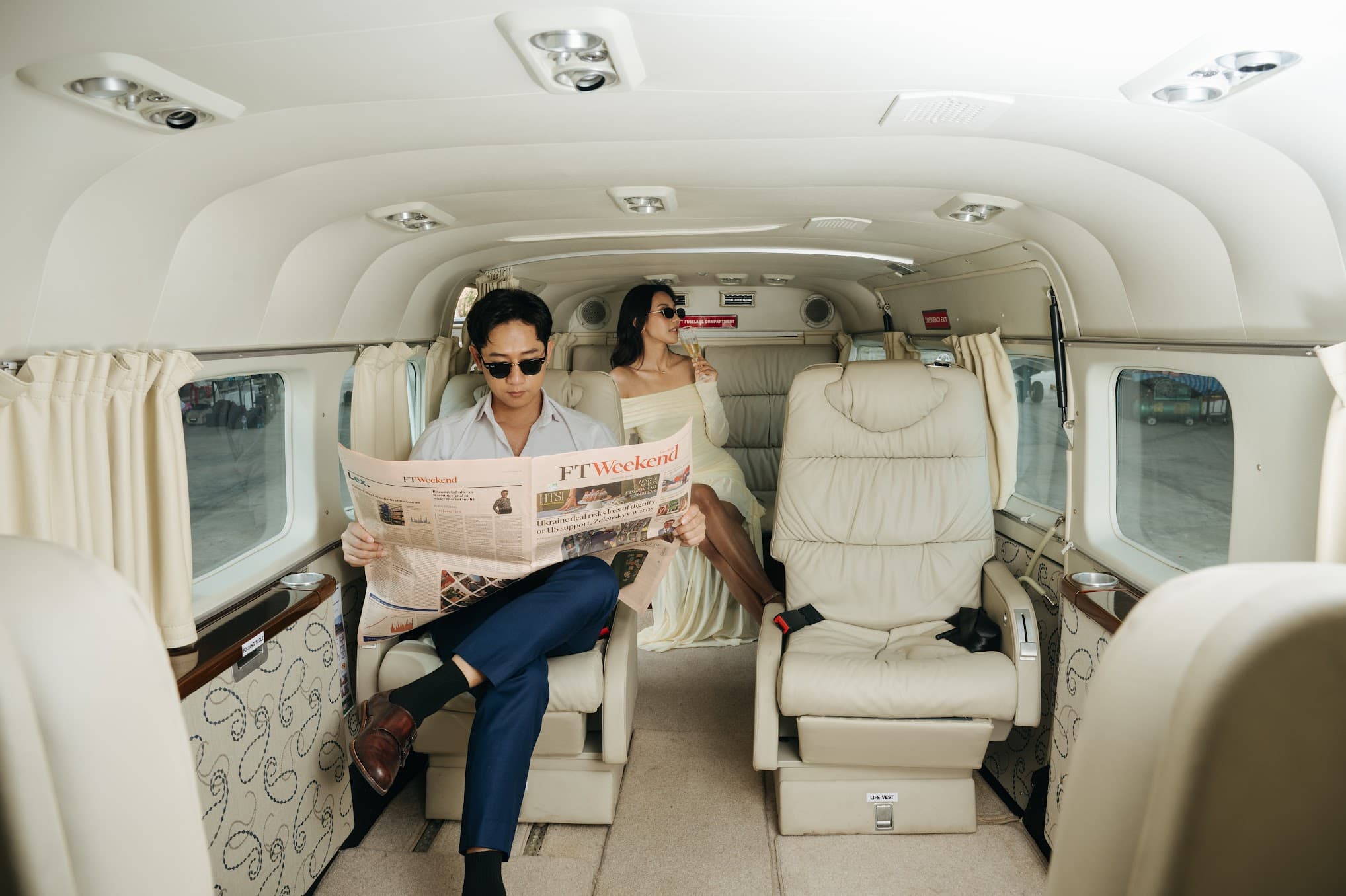
We offer a premium service, but the value is in the “hidden savings.” If we save a family six hours of travel time in a single day, we have essentially given them an extra day of their vacation back. Our pricing reflects the high operational costs of amphibious aviation and our uncompromising safety standards, but when you factor in the special experience, the privacy, the views and the efficiency, it is an investment in the quality of the travel experience. It is also noteworthy that while our pricing needs to reflect the above, it remains accessible and is not at an ultra-luxury or private jet pricing level. This is reflected in our tagline: “Once in a lifetime, every time!”
What makes a seaplane flight an unforgettable experience?
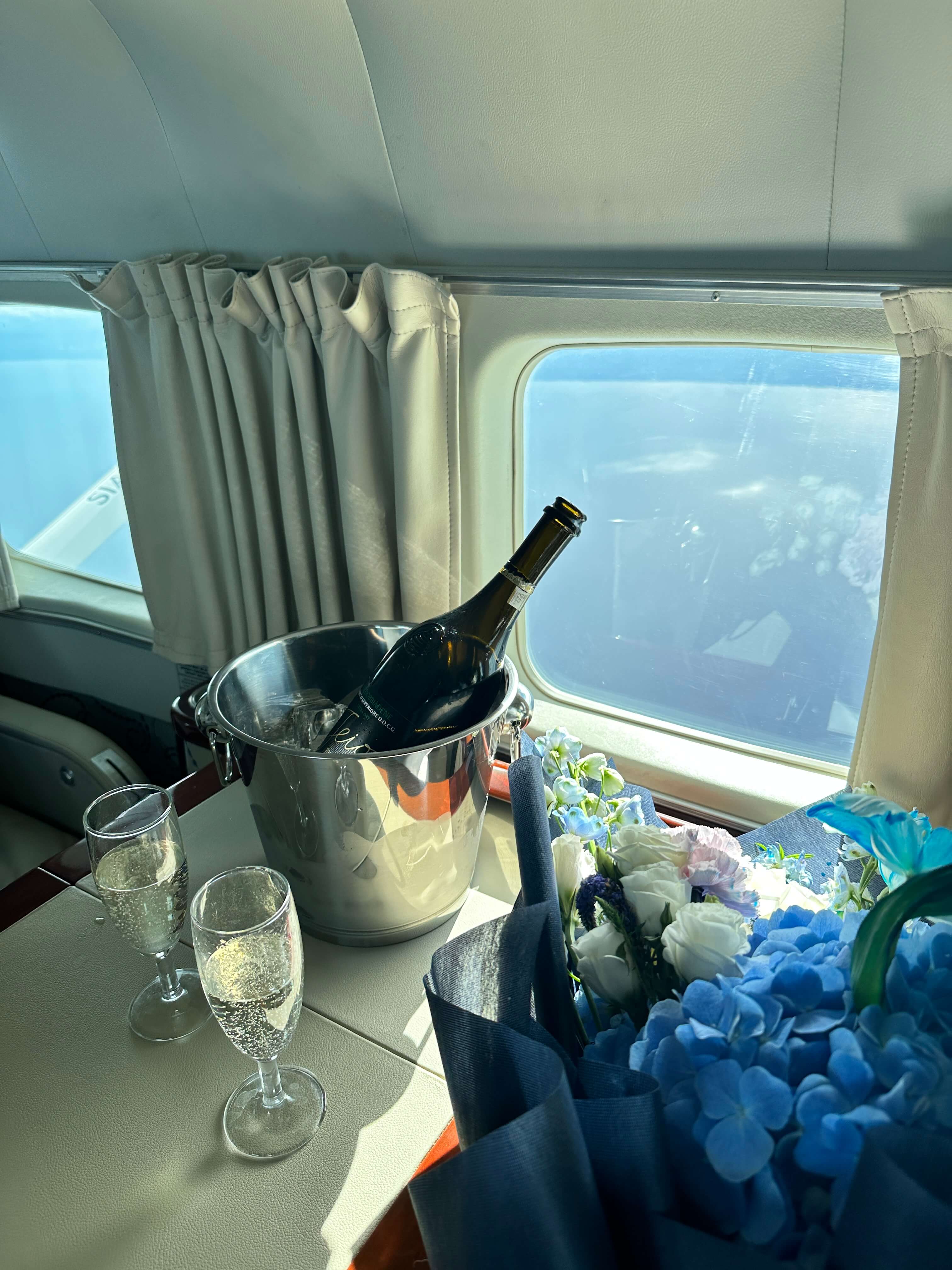
It is the perspective. We fly at lower altitudes than commercial jets — usually around 2,000 to 5,000 feet — which offers a “National Geographic” view of the reefs, islands and turquoise waters. But the real magic is the transition: the moment the planes touch the water and you glide toward your final destination. It is a sense of adventure that a tarmac runway simply cannot replicate, all while preserving a standard of uncompromised elegance.
What role does Cambodia play in your regional expansion plans?
We have been working diligently on the ground with Samra Seaplane — our local brand and entity — and our preparations are progressing, alb
Read more from original article, all rights reserved Dennis Keller on Expanding Seaplane Asia’s Regional Footprint
Leave a Reply