

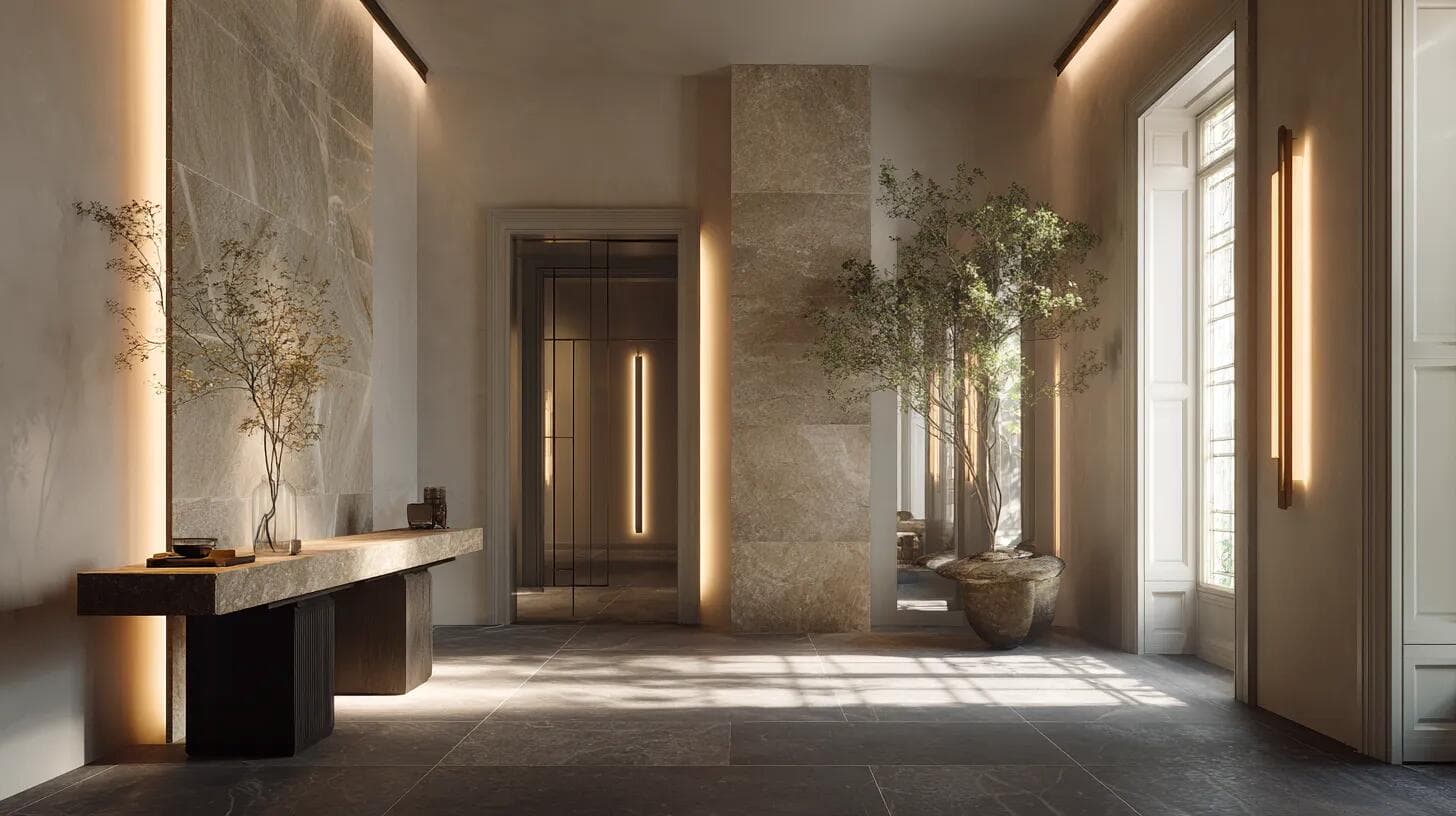
A home rarely declares its standards with volume. More often, it does so with control. The door opens, the eye adjusts, and within seconds the space has already made its case. Some interiors feel immediate and settled, as though every object has been considered in relation to the next. Others feel visually expensive yet oddly unsettled. The difference is often not in the main living room or dining area, but in the threshold itself.
Arrival spaces ask a great deal of a home. They have to absorb movement, hold daily necessities, and establish atmosphere, all without looking overworked. That tension explains why entrances are so often mishandled. They are treated as leftover zones rather than as the sequence that introduces the home’s point of view. In many homes, the solution begins with disciplined perimeter furniture. Looking at entryway console tables category helps clarify why these pieces matter: they create a landing surface, hold the wall visually, and bring order to the moments of arrival and departure.
In my experience, the most persuasive entrances are not the most decorated. They are the most legible. You understand them at a glance. The sightline feels composed, the proportions make sense, and there is enough visual confidence for the rest of the home to unfold naturally. That aligns with the broader direction of contemporary interiors, where calm, adaptable, and sensory-aware spaces continue to shape the way refined homes are composed.
Why the threshold sets the tone
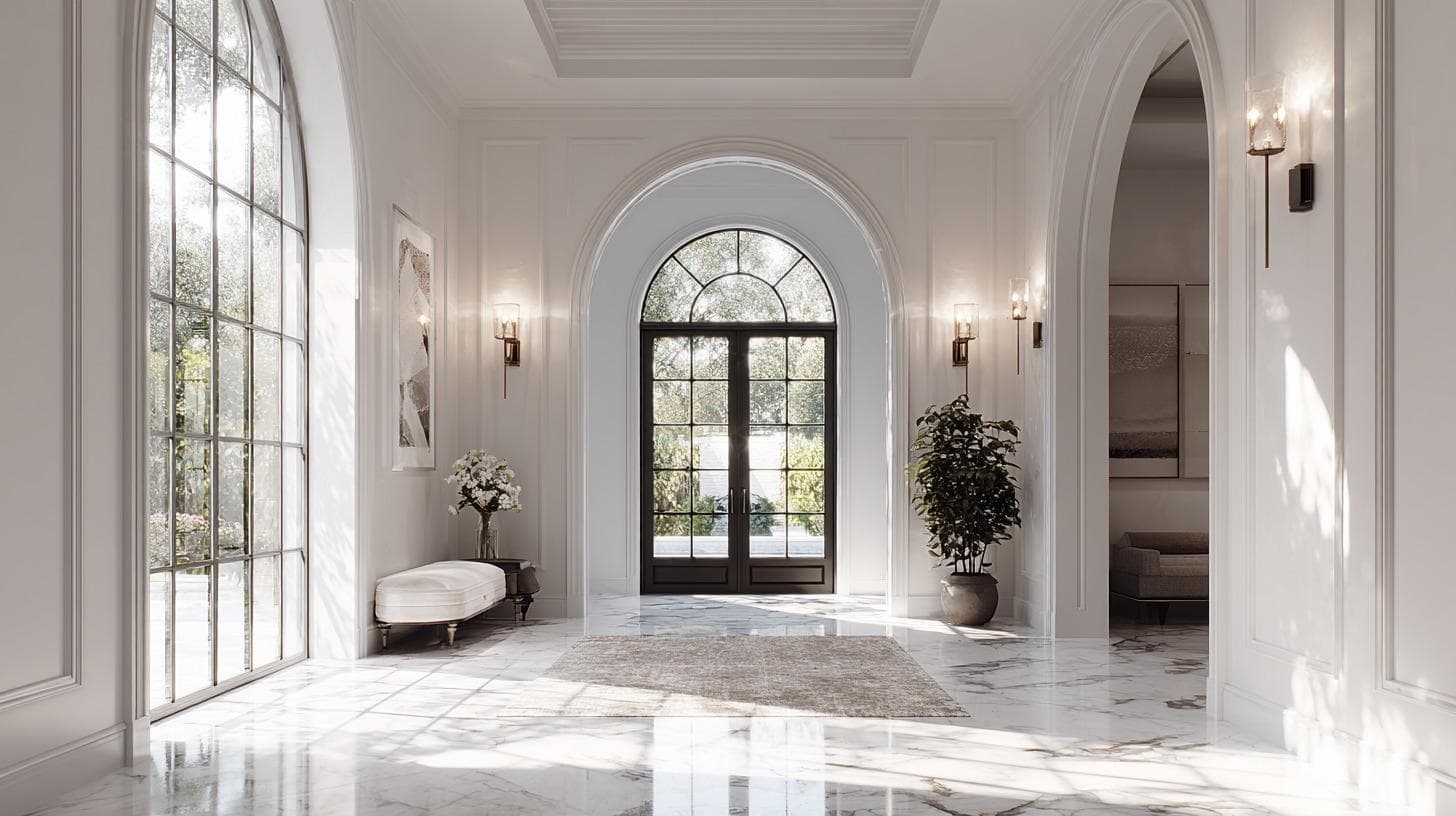
An entrance does not need grandeur to feel convincing. It needs clarity. When someone crosses the threshold, they are reading more than furniture or finish. They are registering light, balance, spacing, and the ease of movement. A strong entrance reduces friction for the body and gives the eye a place to settle.
That sense of ease matters. Visual clutter changes how a home is experienced, even before a guest has moved beyond the first few steps. A threshold that feels crowded, top-heavy, or unresolved can make the entire interior seem less calm than it really is. By contrast, a composed entrance creates trust. It suggests that the home has been shaped with intention rather than assembled room by room.
Personally, I believe that this is where many luxury interiors quietly distinguish themselves. They do not rely on excess to create an impression. They rely on proportion, restraint, and the confidence to leave some space unfilled.
The three pressures every entrance must solve
A well-composed entrance usually resolves three competing pressures at once.
The first is circulation. People need to enter, pause, turn, and continue through the home without a sense of compression. Any furnishing placed here must respect movement before it contributes style.
The second is utility. Entrances collect the evidence of daily life: keys, post, sunglasses, bags, parcels, and the objects that accompany arrival and departure. Ignore that fact and the space will begin to work against itself within days.
The third is presence. A threshold should not feel accidental. It needs a visual anchor, particularly on a long wall or in a transitional zone where the architecture alone may not provide enough structure.
When those three pressures are addressed together, the room feels coherent. When only one is solved, the compromise becomes obvious. A purely decorative entrance often looks beautiful for a moment and impractical after that. A purely functional one rarely escapes the feeling of apology.
What refined homes understand about perimeter furniture
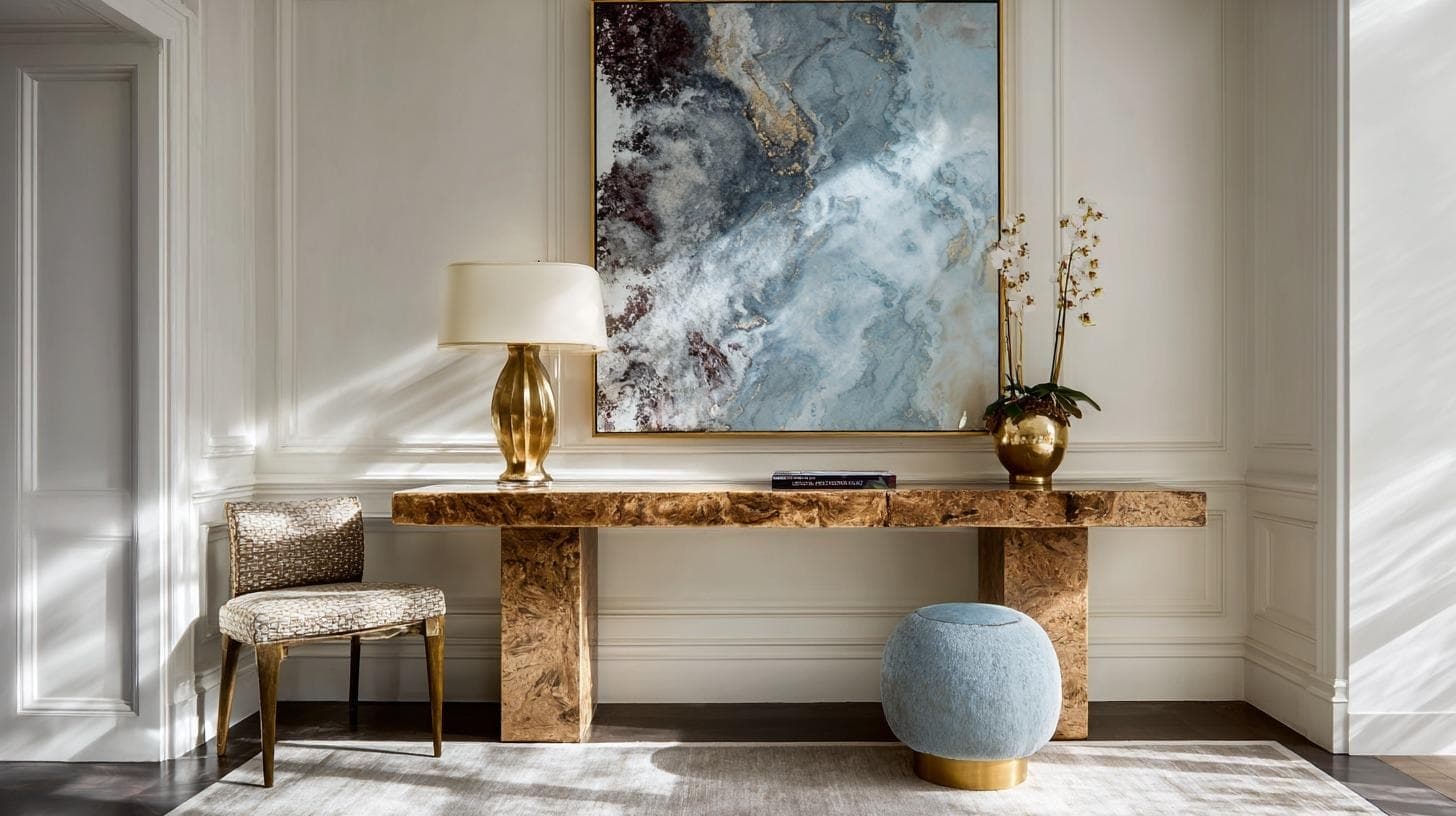
One of the most reliable ways to stabilise an entran
Read more from original article, all rights reserved The Quiet Architecture of a Well-Composed Entrance
Leave a Reply