
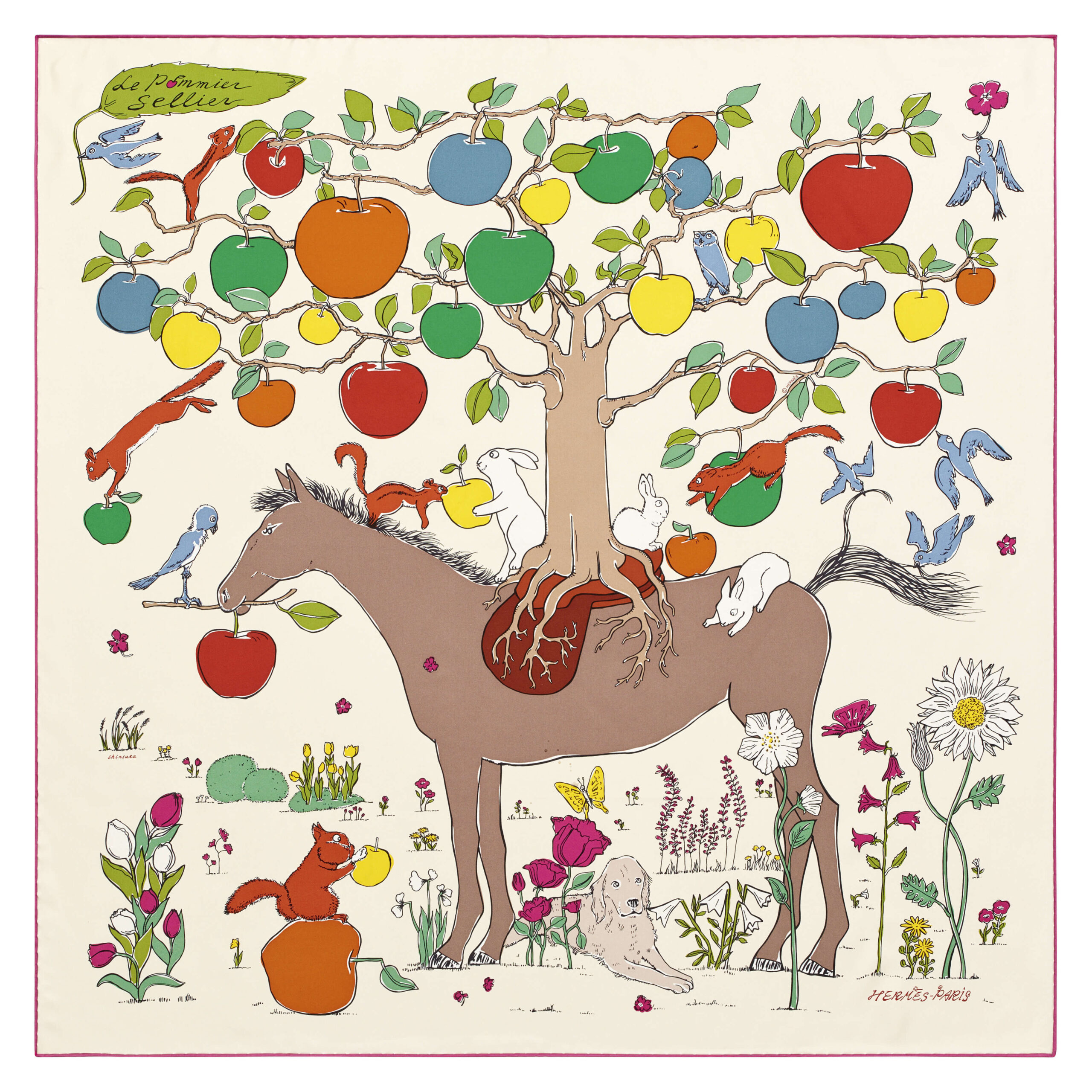
The fashion industry — and the wider luxury sector — has long drawn on the symbolism of the horse to project heritage and nurture aspiration. This manifests in two distinct ways. First, through authentic equestrian roots, as seen in houses such as Hermès and Longchamp. Second, through the broader use of the horse as a motif where the emblem becomes a flexible signifier of power and performance. Its meaning shifts depending on the brand: with Coach the horse and carriage evoke craftsmanship and tradition while in Levi’s, the Two Horse mark underscores durability and the dignity of labour. Across automotive, fashion and luxury sectors, equine imagery allows brands to communicate performance — from Ferrari to Hermès, horses have long symbolised speed and strength. LUXUO delves into the symbolism of horses in the logos of today’s most enduring luxury brands.
Power and Performance: Horses in Automotive Branding
Nowhere is equine symbolism more literal than in automotive branding, where “horsepower” is seen as both a metaphor and a measurable output. Due to its historical association with transportation and nobility, the horse’s relationship to “horsepower” has since been adopted by the world’s leading automotive companies — such as Ferrari, Ford Mustang and Porsche — to signify speed and engine performance. Ferrari’s Prancing Horse symbolises Italian engineering and speed, while the Ford Mustang evokes “American freedom”. The image of a wild horse or a running horse (like with the Ford Mustang) represents an untamed, adventurous spirit.
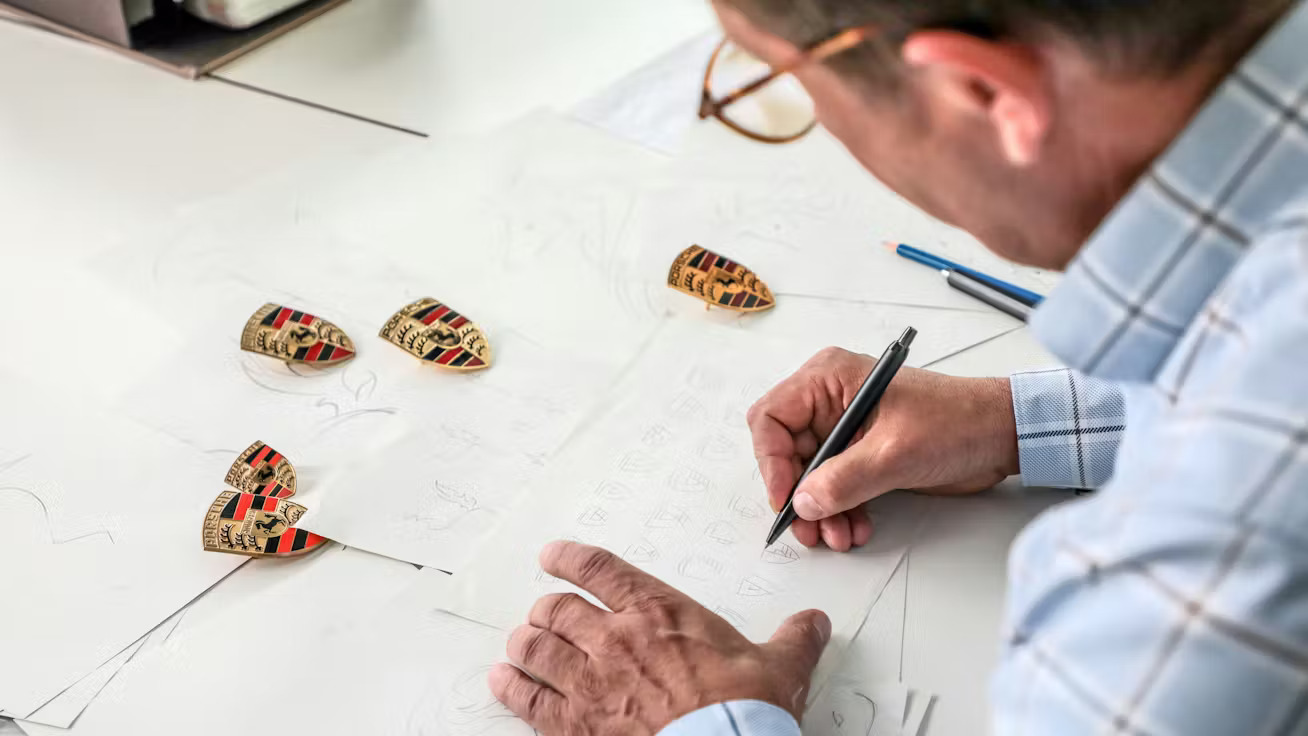
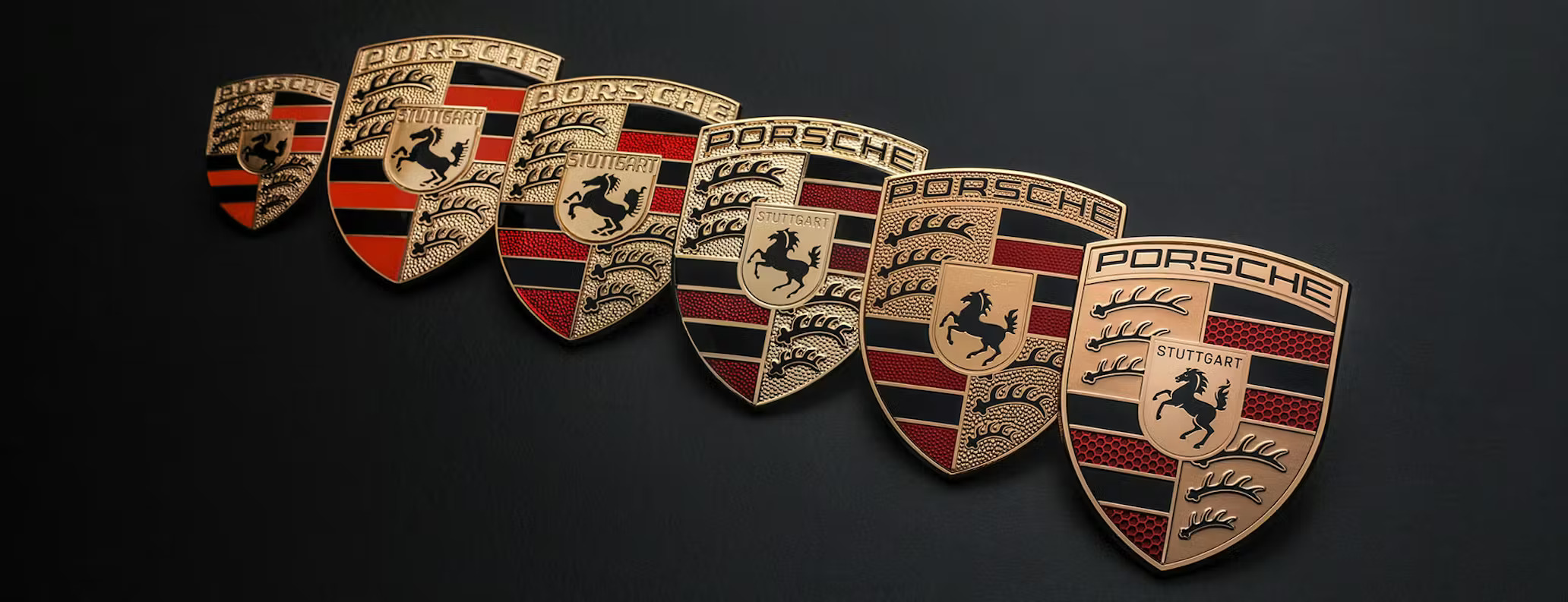
Among these, Porsche offers one of the most layered examples of equine branding. The Porsche crest first appeared in 1952 on the steering wheel of the Porsche 356. Its origins trace back to a 1951 design competition and the encouragement of US importer Max Hoffman, who urged Ferry Porsche to develop a distinct emblem that conveyed quality and dynamism. Designer Franz Xaver Reimspiess drew inspiration from Stuttgart’s city seal, incorporating a rearing horse at the centre of a shield. Stuttgart itself was founded around 950 AD as a horse-breeding centre — its name derived from “Stuotgarten”, meaning stud farm. The horse anchors the logo in geographic heritage while the red and black stripes reference Württemberg-Hohenzollern’s traditional colours and the antlers are taken from the region’s coat of arms.
Though refined over decades — most recently in 2023 with a modernised seventh iteration featuring brushed metal and subtle honeycomb detailing — the fundamental elements remain intact. The crest bridges history and future, reinforcing how equine imagery can sustain brand equity across generations.
Read More: Cultural Symbolism to Commercial Strategy: Luxury in the Year of the Horse
Elegance and Luxury: Equestrian Roots in Fashion
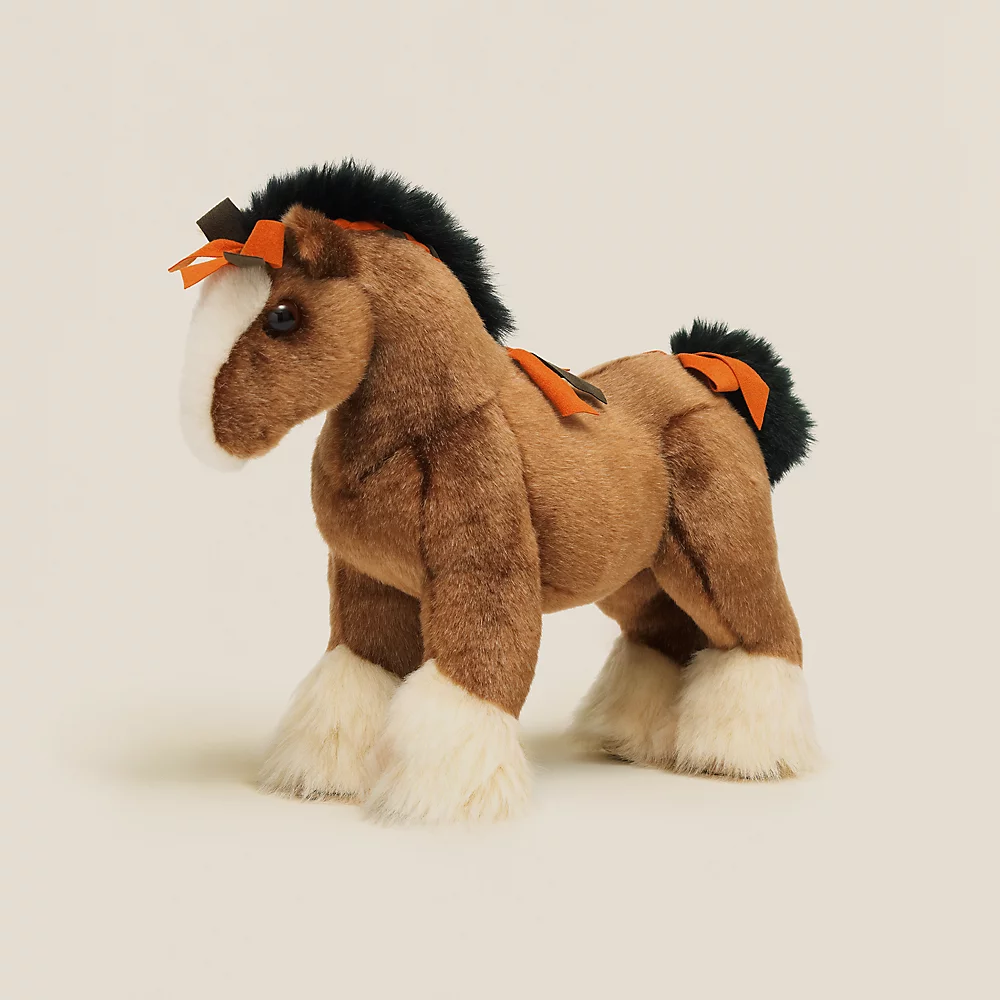
Equestrianism has long been intertwined with nobility and royalty across Europe, the Middle East and parts of Asia, positioning the horse as an enduring shorthand for status. In luxury branding, that historical association translates seamlessly into signals of exclusivity and aristocratic heritage. Fashion houses in particular have drawn on these equestrian roots to reinforce lineage and craftsmanship. Hermès, which began as a harness workshop, retains its horse-and-carriage emblem as a testament to artisanal savoir faire and saddle-making origins.
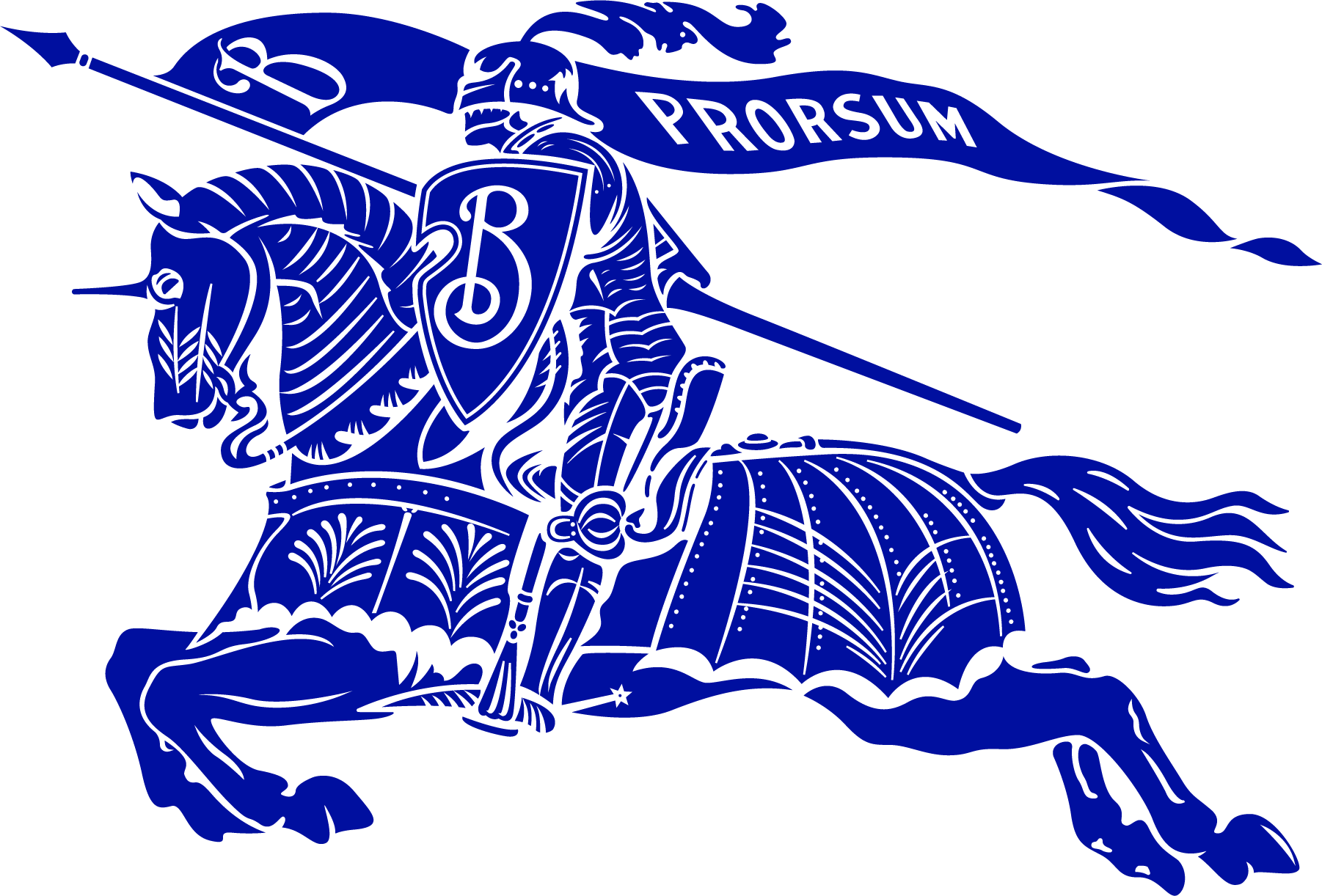
Gucci elevates its signature horsebit — once functional riding hardware — into a globally recognised code of sophistication. Ralph Lauren channels the sport of polo to evoke cultivated prestige, while Burberry’s Equestrian Knight Device reinforces heritage and chivalric tradition. Si
Read more from original article, all rights reserved Branding Horsepower: The Enduring Role of Horses in Luxury Logos
Leave a Reply