

Diabetes continues to rank among the most pressing public health challenges worldwide, with particularly profound implications for the Middle East. According to the 2024 report by the International Diabetes Federation (IDF), 589 million adults aged 20–79 are currently living with diabetes globally — and alarmingly, 43 percent of cases remain undiagnosed.
The burden is especially acute across the MENA region, where 85 million adults are affected today, a figure projected to surge by 92 percent to 163 million by 2050. In the UAE, diabetes prevalence among adults stands at 20.7 percent — placing the country among the highest globally. With lifestyle-related risk factors increasing and healthcare systems confronting mounting long-term disease costs, early risk identification has become a national and regional priority.
Against this backdrop, Huawei is advancing a novel approach: leveraging smartwatch technology to provide non-invasive diabetes risk awareness at scale.
The Case for Non-Invasive, Scalable Screening
Diabetes is far more than a metabolic disorder. It is a systemic condition linked to macrovascular and microvascular complications, including coronary heart disease, stroke, neuropathy, and kidney failure. Early identification of risk is critical to mitigating these outcomes.
However, traditional diagnostic tools such as HbA1c testing require laboratory access and are often unavailable to asymptomatic individuals. This creates a gap between early disease onset and clinical diagnosis.
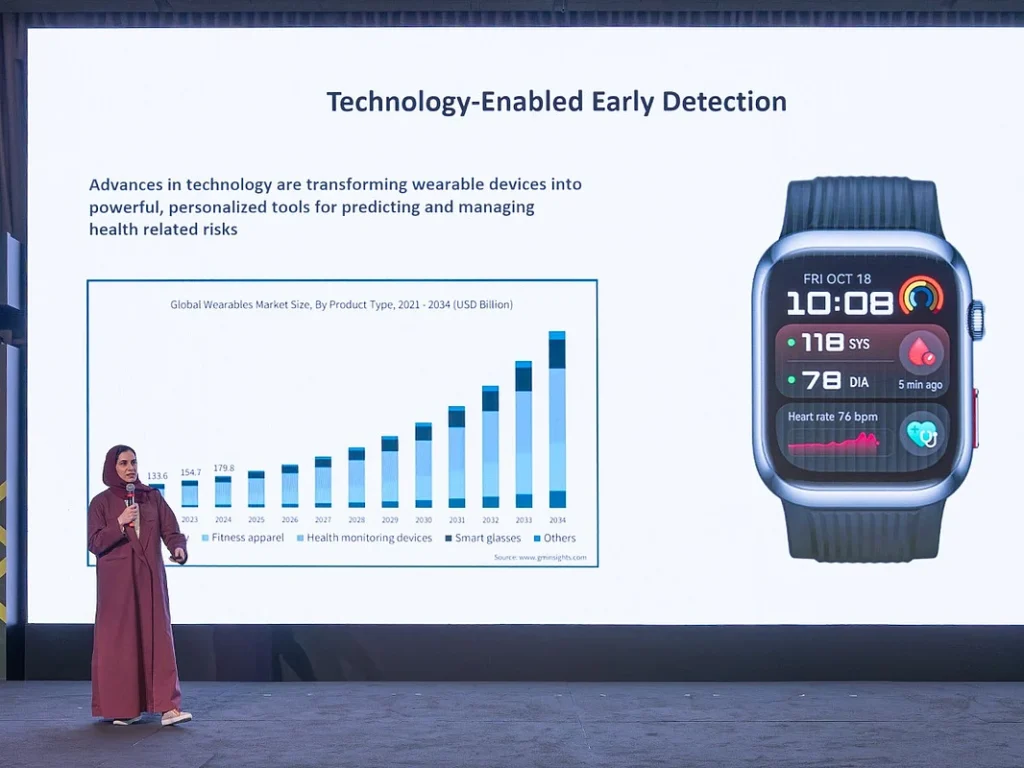
Healthcare experts increasingly point to non-invasive digital biomarkers as a way to bridge that gap. Tools capable of flagging potential risk can prompt individuals to seek confirmatory testing earlier, easing pressure on healthcare systems while improving patient outcomes. These solutions are particularly valuable for individuals who may not routinely engage in preventive health screening.
Fro
Read more from original article, all rights reserved Huawei Advances Early Diabetes Risk Detection with Smartwatch Innovation
Leave a Reply