

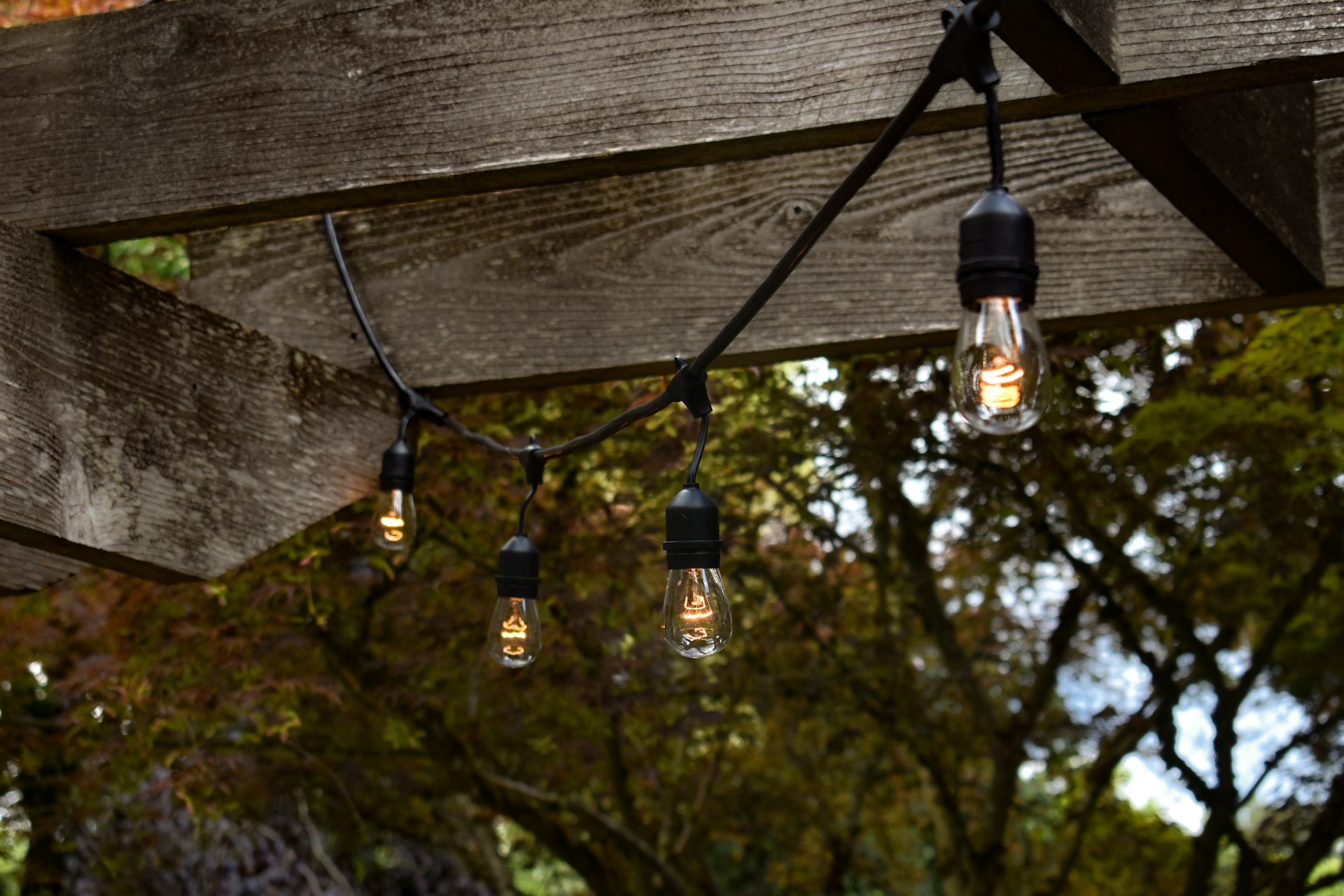
Night alters how space communicates. Shapes lose hierarchy, distances compress and surfaces merge into shadow. For residential environments, this shift challenges designers to restore clarity without disturbing atmosphere. Outdoor lighting answers that challenge through selection rather than saturation. A restrained lighting strategy focuses on perception. Instead of flooding an area, it introduces reference points that help the eye interpret depth. This method prioritises experience over visibility, which suits contemporary residential design where subtlety carries value.
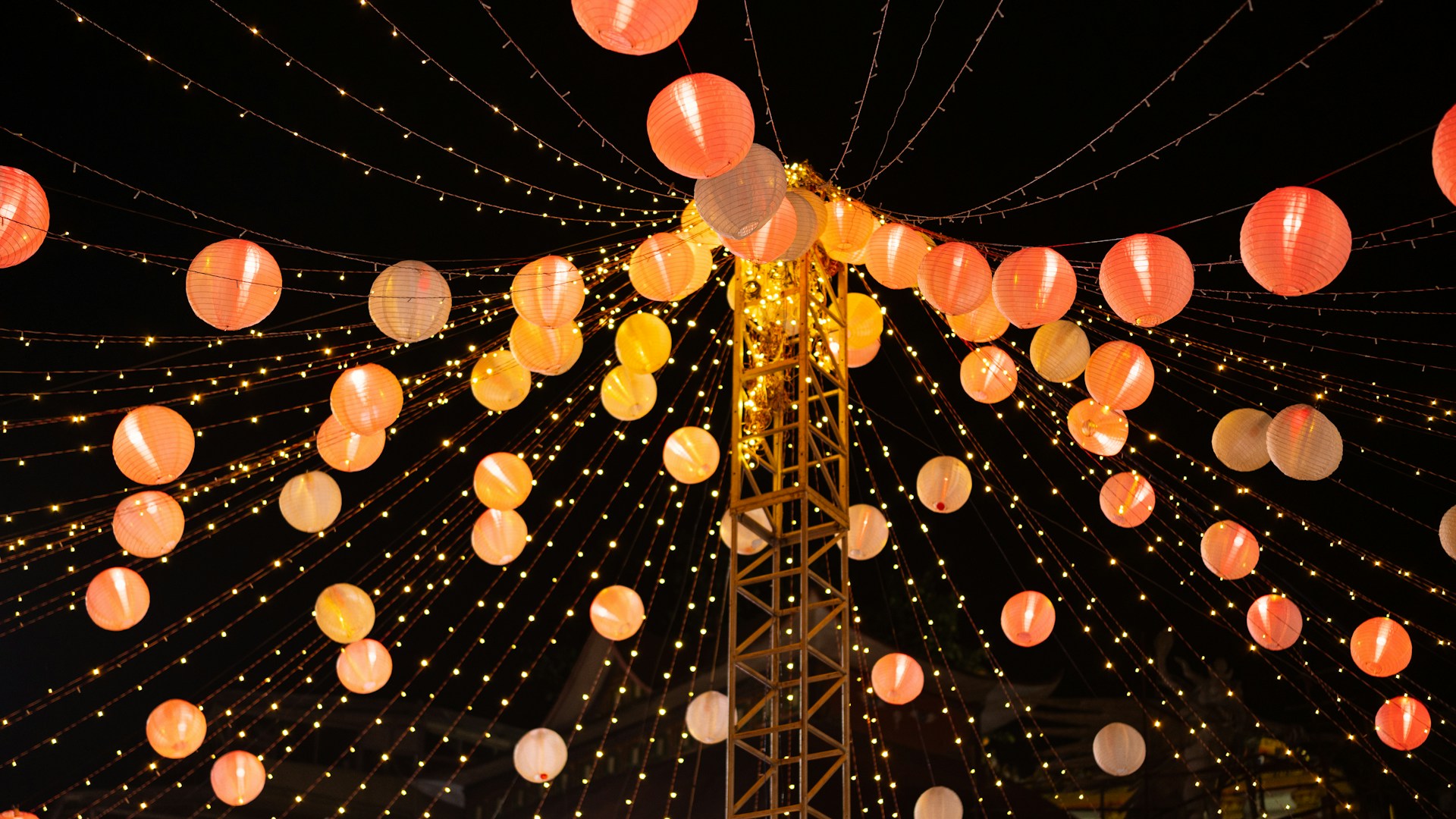
Landscapes Read Differently After Sunset
Gardens function as compositions rather than destinations at night. Movement slows, attention narrows, and details gain prominence. Lighting supports this change by isolating elements that structure the scene.
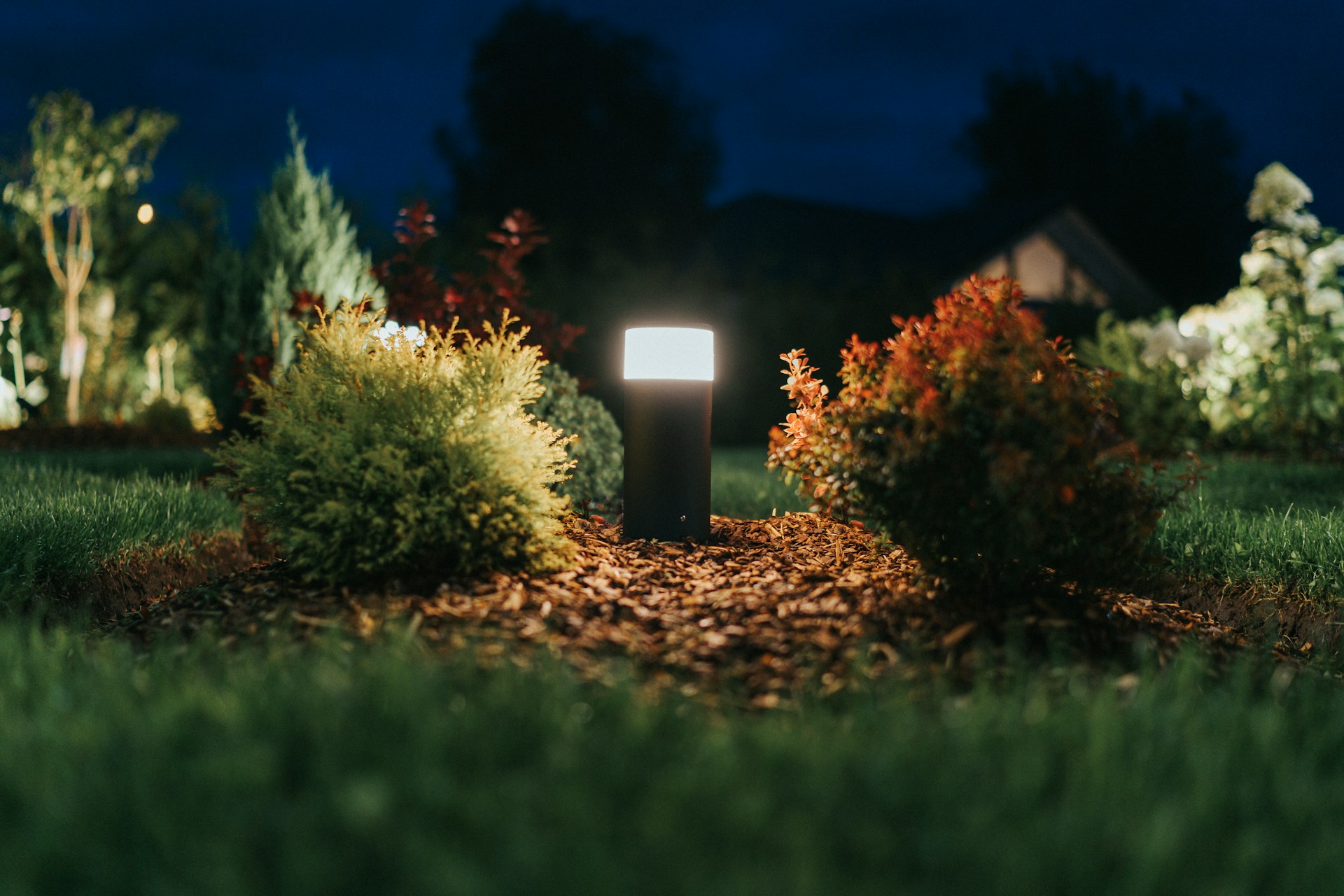
Low-profile solutions such as garden lights contribute to this effect by guiding sightliness rather than announcing presence. Their placement often follows planting rhythm or material transitions, reinforcing design logic already established during daylight.
This approach also respects seasonal change. As vegetation grows or recedes, lighting maintains coherence without constant adjustment. The landscape remains legible while avoiding visual rigidity.
Transitional Zones and Visual Continuity
Outdoor environments rarely exist in isolation. Paths, driveways, and entrances connect private interiors to public surroundings. These transitional zones require visual consistency to prevent abrupt shifts in tone or intensity.
Carefully planned driveway lighting designed to support orientation without glare reinforces spatial order. Even spacing and controlled brightness maintain co
Read more from original article, all rights reserved Outdoor Lighting: When Darkness Becomes a Design Constraint
Leave a Reply