

As 2026 ushers in the year of the fire horse, LUXUO identifies eight interior trends shaped by the zodiac’s defining traits of speed, confidence and forward momentum. These shifts point to spaces that are more expressive and less restrained, reflecting a growing appetite for interiors that utilise physical space with individual character rather than quiet neutrality.
Red is Not Just Red
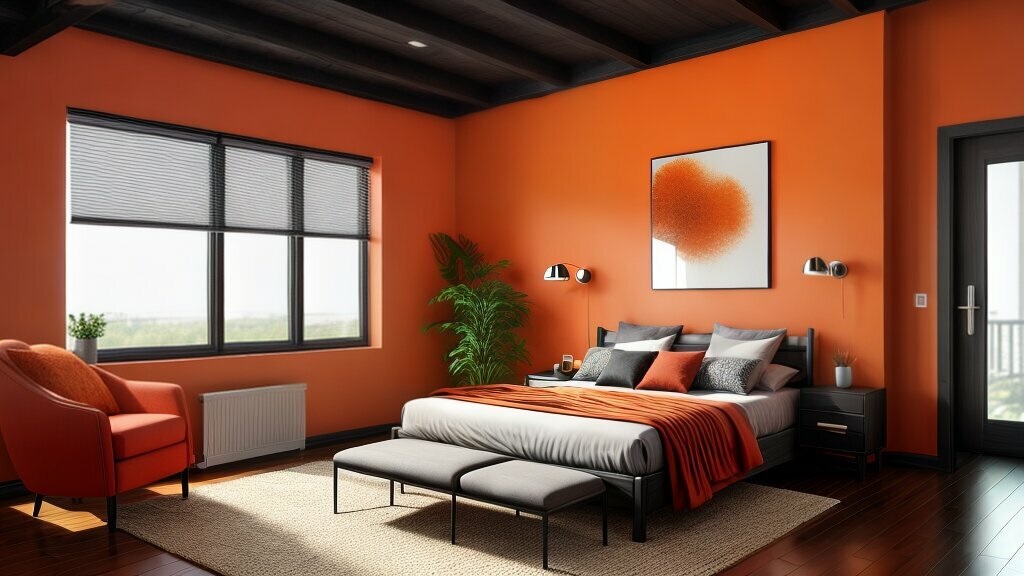
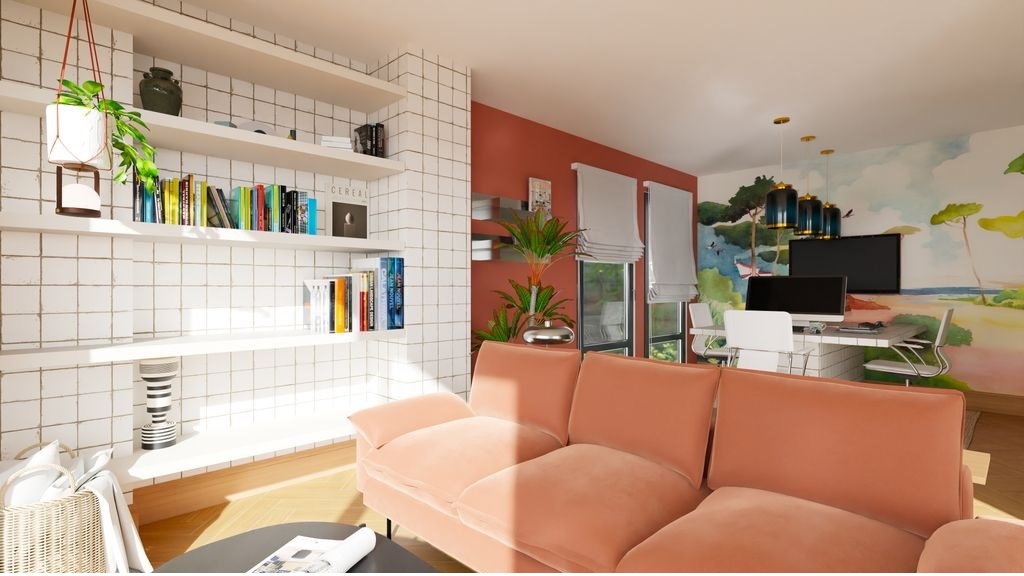
Left: Orange is a hue of red’s spectrum, so using it as a feature wall in this home can be the right choice. Image: Floorsanding.com Right: A peach-focused theme in this interior features a coral-pink sofa and rouge wall in the dining space. Image: @Rose Aki Home.by.me.
One has to be confident about using red and the right time to use it is in 2026 for the fire horse year. Firstly, one must understand that red moves beyond an accent colour and it becomes a structural element in interiors — shaping one’s mood within a space. Deep reds are applied to walls, cabinetry and upholstery to create rooms that feel grounded. The colour red is not just limited to crimson or scarlet — it embraces the full spectrum of colours of fire. This includes hues such as orange, vermillion, amber, burnt sienna, terracotta, rust, ochre, copper, tangerine, peach, coral, apricot and salmon, to name a few.
Interior designers are starting to favour controlled saturation rather than decorative splashes, pairing reds or oranges with mineral surfaces and matte finishes to prevent excess. This approach mirrors the fashion industry’s return to powerful colour statements. Beyond walls and furniture, red lighting accents, artwork and curated objects reinforce this colour theme. Shades of red also interact with natural light, intensifying warmth or softening intensity depending on the time of day. This spectrum of fiery hues mirrors the Fire Horse’s energy, infusing spaces with vitality and forward momentum.
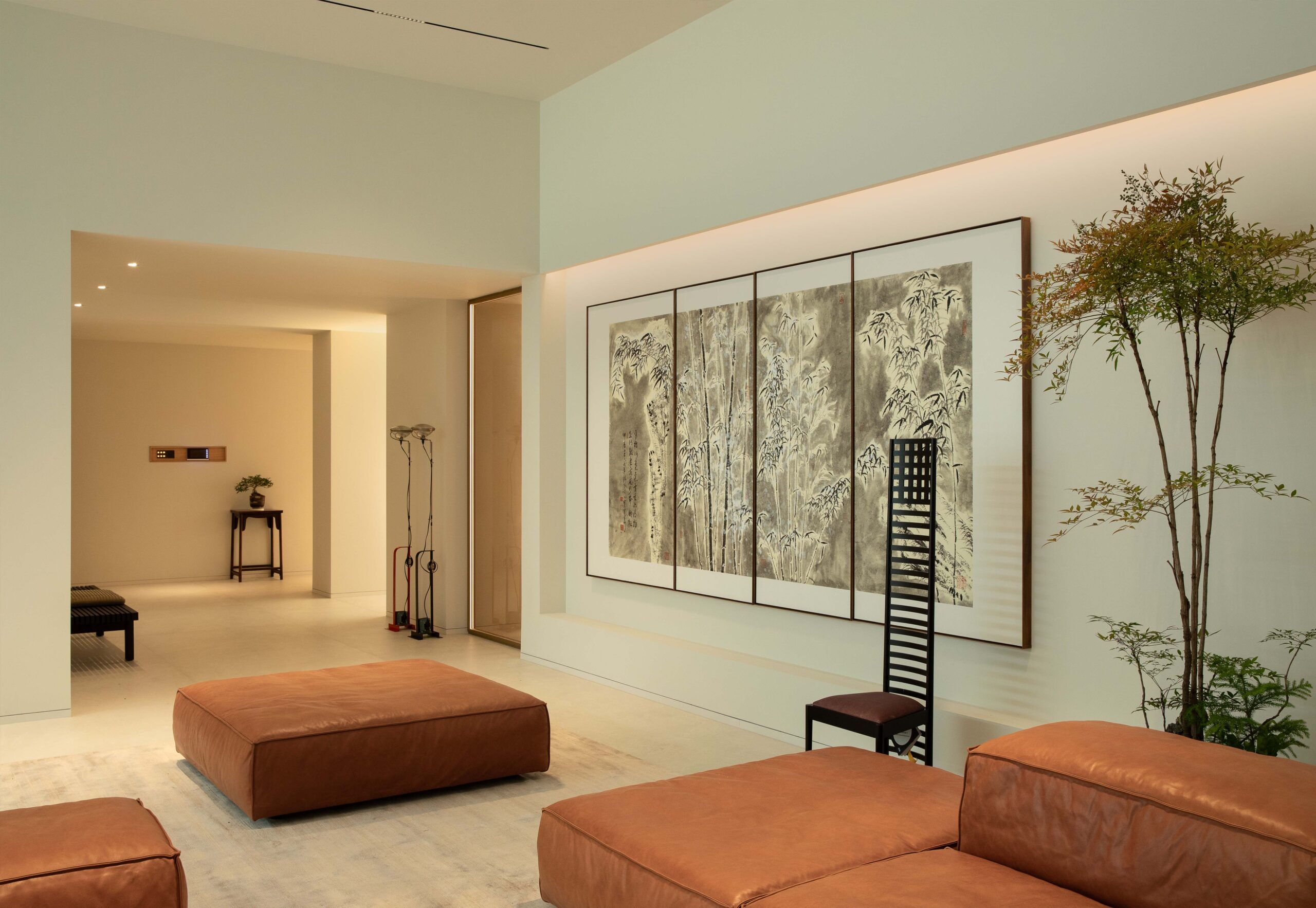
In the historic city of Suzhuo, China, a 1000-square-metre residence marries the spirit of Jiangnan aesthetics with contemporary furnishings. The living area opens onto a generous internal garden and to complement the verdant view, Living Divani’s Extrasoft sofa modules in burnt sienna provide an inviting space and comfortable seating. The dynamic modularity of the sofa not only becomes the focal point of everyday life but the seating’s colour anchors the interior to create a convivial living space to relax and mingle.
Patterns That Drive Visual Momentum
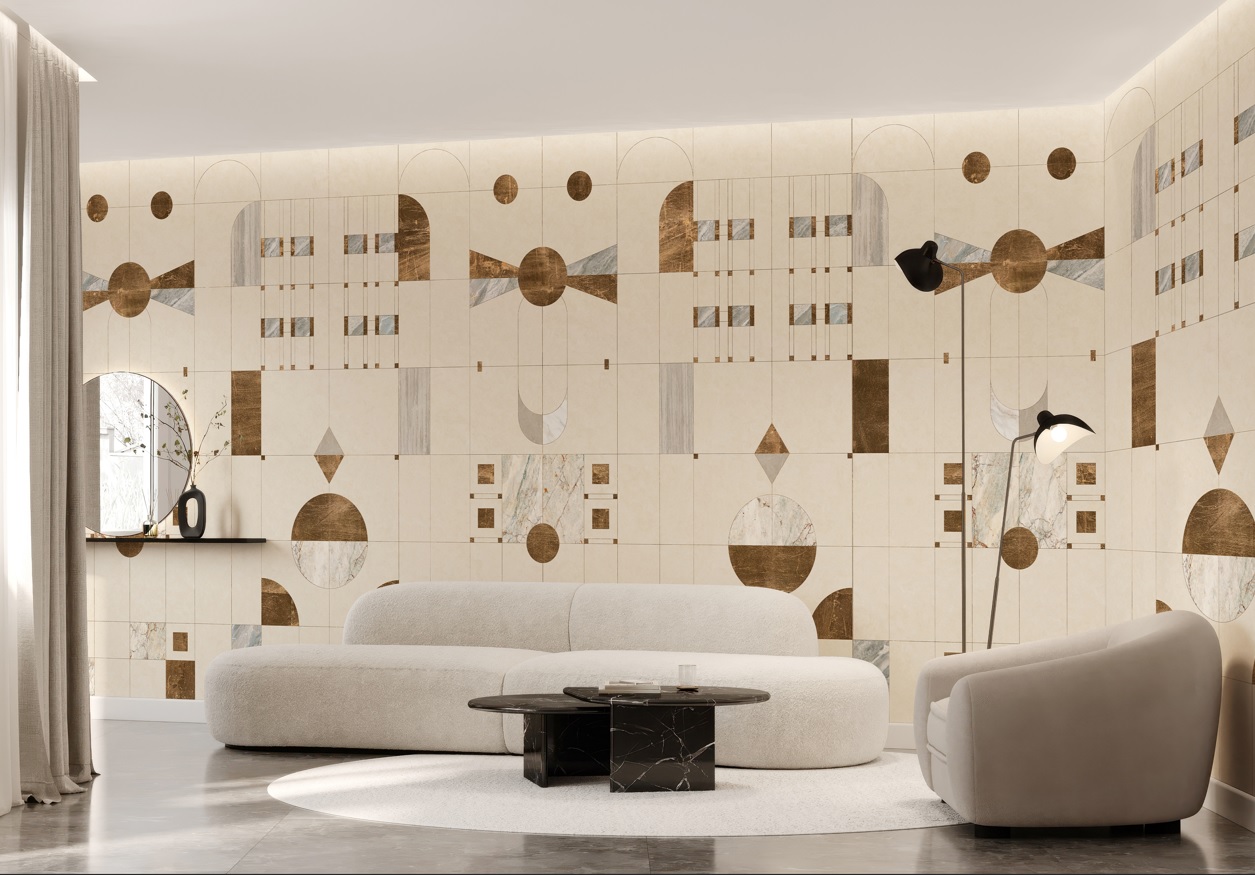
If you think patterns are passe, think again. One can gain confidence by deploying it judiciously. The power of patterns in 2026 is used to generate visual “movement” rather than serve as ornamental decoration. Geometric repeats, enlarged motifs and directional layouts introduce rhythm into interiors that might otherwise feel static. Floors, walls and soft furnishings are treated as part of a single visual system, encouraging continuity rather than contrast. The effect is immersive and a deliberate rejection of nostalgia or neutrality. Patterns can be used as a tool for curating spatial energy and identity. Designers are also exploring layered patterns, mixing traditional motifs with modern graphics to heighten visual interest and break uniformity. Subtle variations in texture and scale add additional movement and tactile interest to interiors.
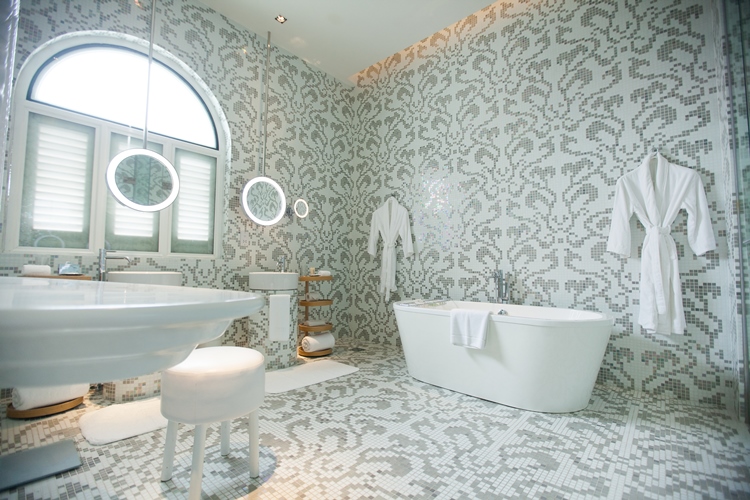
Do not be misled by the eight-key Macalister Mansion’s colonial façade. The design intent reveals itself indoors, where contemporary interventions define the experience. In selected guestrooms, bathrooms are anchored by mosaic feature walls depicting pixelated damask motifs. The enlarged pattern introduces scale and visual tension, offset by restrained lighting and Duravit sanitary ware. Geometry and repetition are used to establish rhythm, proving how surface treatment alone can recalibrate an everyday space and heighten sensory engagement. Just as the Fire Horse gallops with speed and confidence, these dynamic patterns propel the eye across the room, creating rhythm and motion.
Curved Forms Lead Spatial Flow
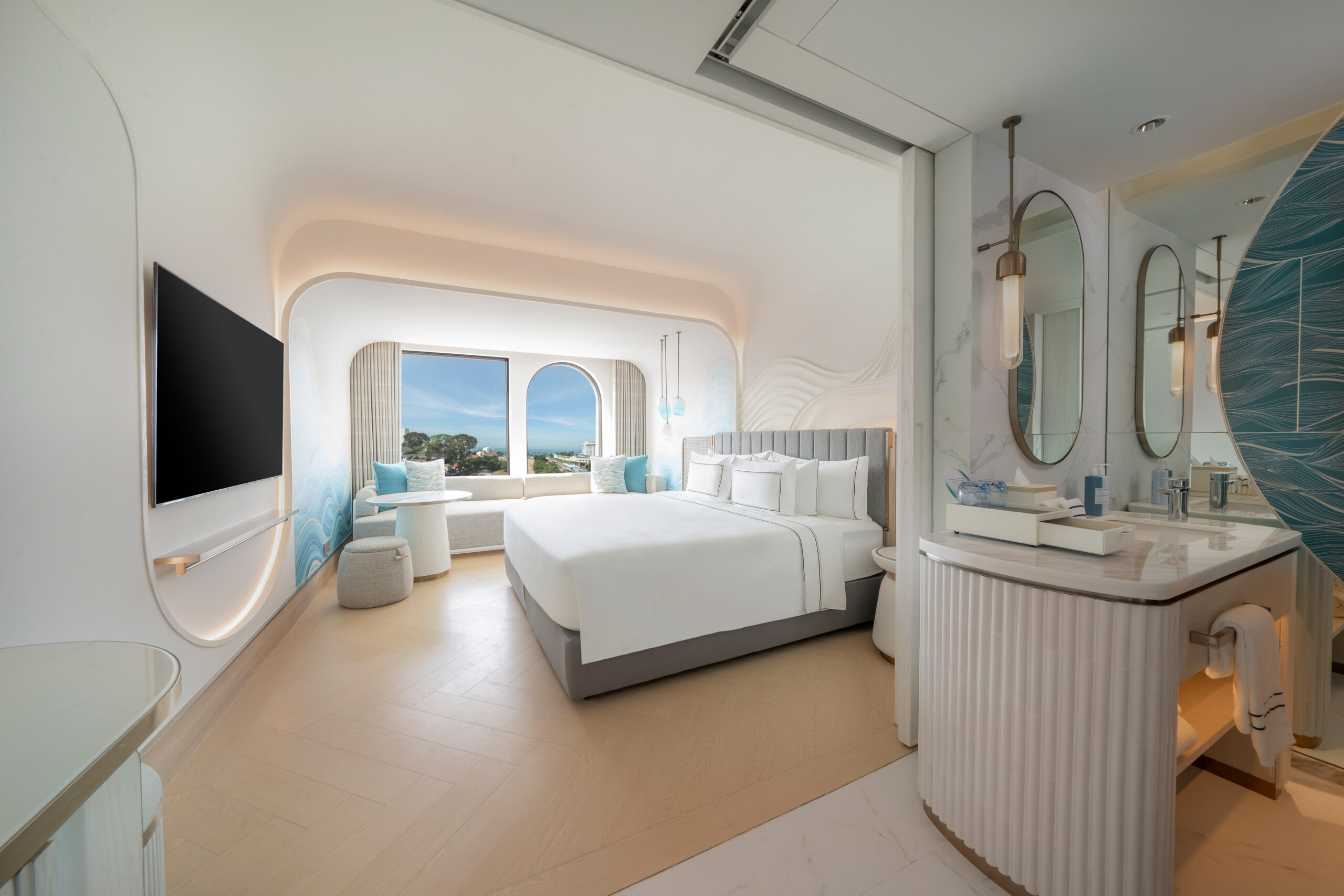
As many architects and interior designers are moving away from linearity, curves of all manner and form are now at the forefront of interior and architecture trends. Furniture and architecture in 2026 increasingly rely on curved forms to guide circulation and soften spatial transitions. Curved layouts echo the horse’s graceful, flowing movement, allowing interiors to move with ease and natural energy.
Rounded sofas, elliptical tables and arched thresholds replace rigid layouts, creating interiors that feel more fluid and socially oriented. These shapes support movement and interaction while reducing visual tension. The trend reflects a broader rejection of hard minimalism in favour of comfort and continuity. Curved partitions, archways and rounded cabinetry further reinforce organic movement, while lighting and accessories are selected to echo these soft lines. Designers are considering ergonomics and human scale when implementing curves to ensure the space feels welcoming and sophisticated.
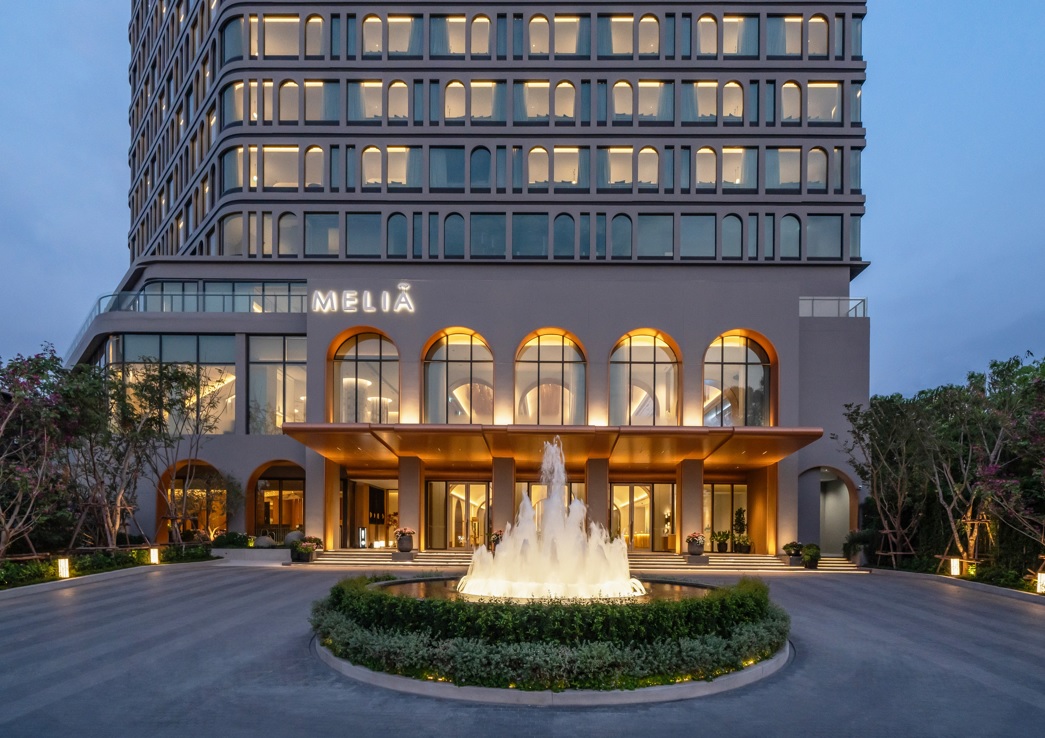
Opened in February 2025, the 234-key Meliá Pattaya Hotel is a design-forward hospitality project overlooking the Gulf of Thailand. Public spaces are anchored by a rooftop Chinese restaurant, alongside a spa and a mix of dining concepts spanning Thai and Japanese-Peruvian cuisines. The interiors blend modern luxury with Thai sensibilities, drawing subtle cues from the Mediterranean coast — where the hotel’s Spanish roots are founded. In the guestrooms, soft curves define the architecture, from arched doorways to shaped mirror frames and recessed ceiling alcoves.
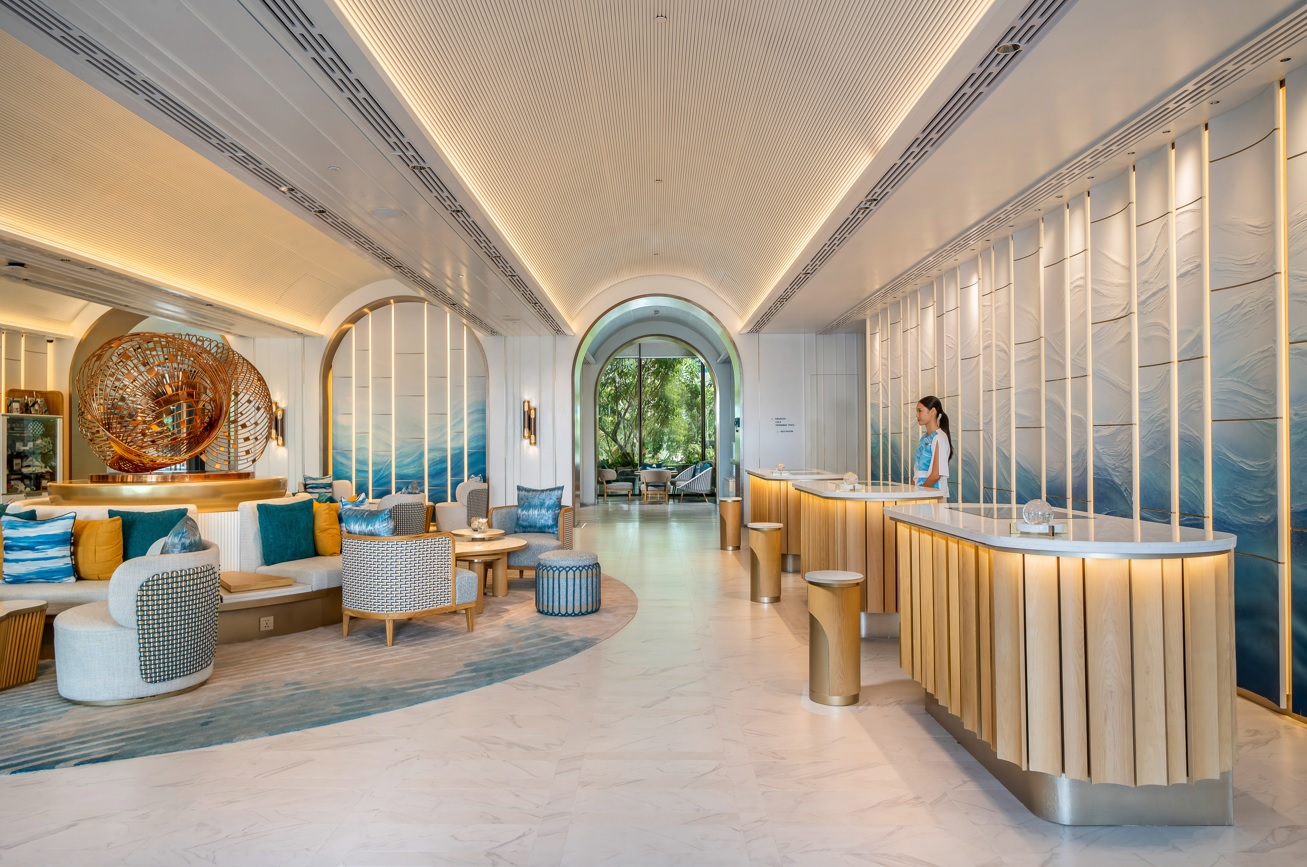
Feature walls are marked by graphic interpretations of rolling blue waves, offering a restrained visual link to Pattaya’s coastline and reinforcing the hotel’s relaxed, resort-driven identity. Nodding to more curved architecture, the lobby’s sinuous interior details are evidenced in the arched alcove LED lights that come together as pixels to create a vivid design on the ceiling. Take inspiration from curved interiors by making a trip down to Meliá Pattaya Hotel and perhaps have a greater understanding and appreciation of how sinuous design can be purposeful and relevant in 2026.
The Ceiling Takes Centre Stage
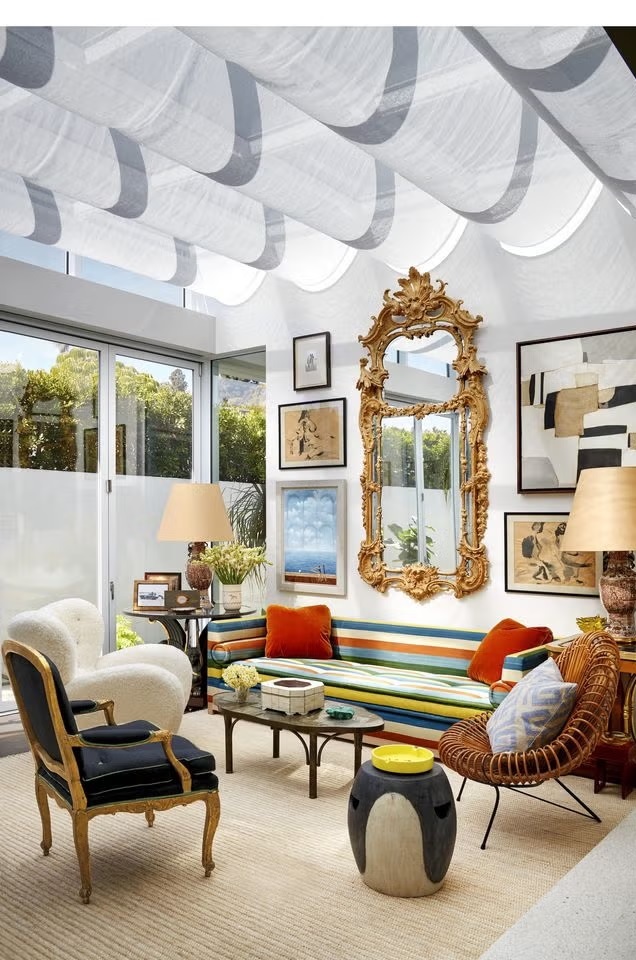
Ceilings in 2026 are treated as deliberate design surfaces rather than passive backdrops. By thinking of this surface as the fifth wall, many designers are embracing it as a forward-thinking idea of dressing it up. Colour, texture and architectural detailing are used to establish hierarchy and mood — particularly in living and dining areas. Designers introduce plaster reliefs, timber panelling or integrated lighting grids to draw the eye upward and reinforce proportion.
This renewed focus adds depth without increasing clutter. Ceilings can also incorporate murals, acoustic solutions or subtle metallic finishes to enhance drama. Layered lighting, coffered patterns and recessed coves further shape ambience, while sculptural elements or reflective surfaces create movement and intrigue. Such treatments allow architects and interior designers to craft vertical storytelling, turning overhead spaces into experiential features that actively define the character and rhyt
Read more from original article, all rights reserved Interior Design Trends for 2026’s Year of the Fire Horse
Leave a Reply