

The fashion industry is undergoing a cheapening of collaboration culture, shifting from creative exchange and cultural relevance towards short-term commercial extraction and visibility-driven partnerships. This reflects a structural evolution in how collaborations function — from experimental dialogue to pre-packaged marketing formats. Today, three distinct branches of contemporary collaborations have emerged, each reflecting a different level of value creation. The first is high meets low, exemplified by mass-market designer capsules such as H&M collaborations. The second is legacy Maison exchanges, where established houses trade codes in controlled acts of brand alignment. The third is cross-industry collaborations, which have become a vehicle for testing category expansion and brand adjacency. LUXUO explores the shifting role of collaborations as they move from creative disruption to commercial optimisation and how this has led to the erosion of hype around fashion collaborations.
High Meets Low
The high-meets-low style of collaborations was once the defining engine of collaboration hype, collapsing luxury codes into mass accessibility. H&M’s designer capsules epitomised this approach, offering aspirational design at democratised price points while reinforcing the exclusivity of the originals. Over time, however, the format has become less culturally disruptive and more structurally predictable, increasingly constrained by brand protection and strategic dilution control. The success behind high-meets-low collaborations were that they were both market firsts and massive market disruptors. What once functioned as a moment of rupture has instead evolved into a repeatable commercial template.
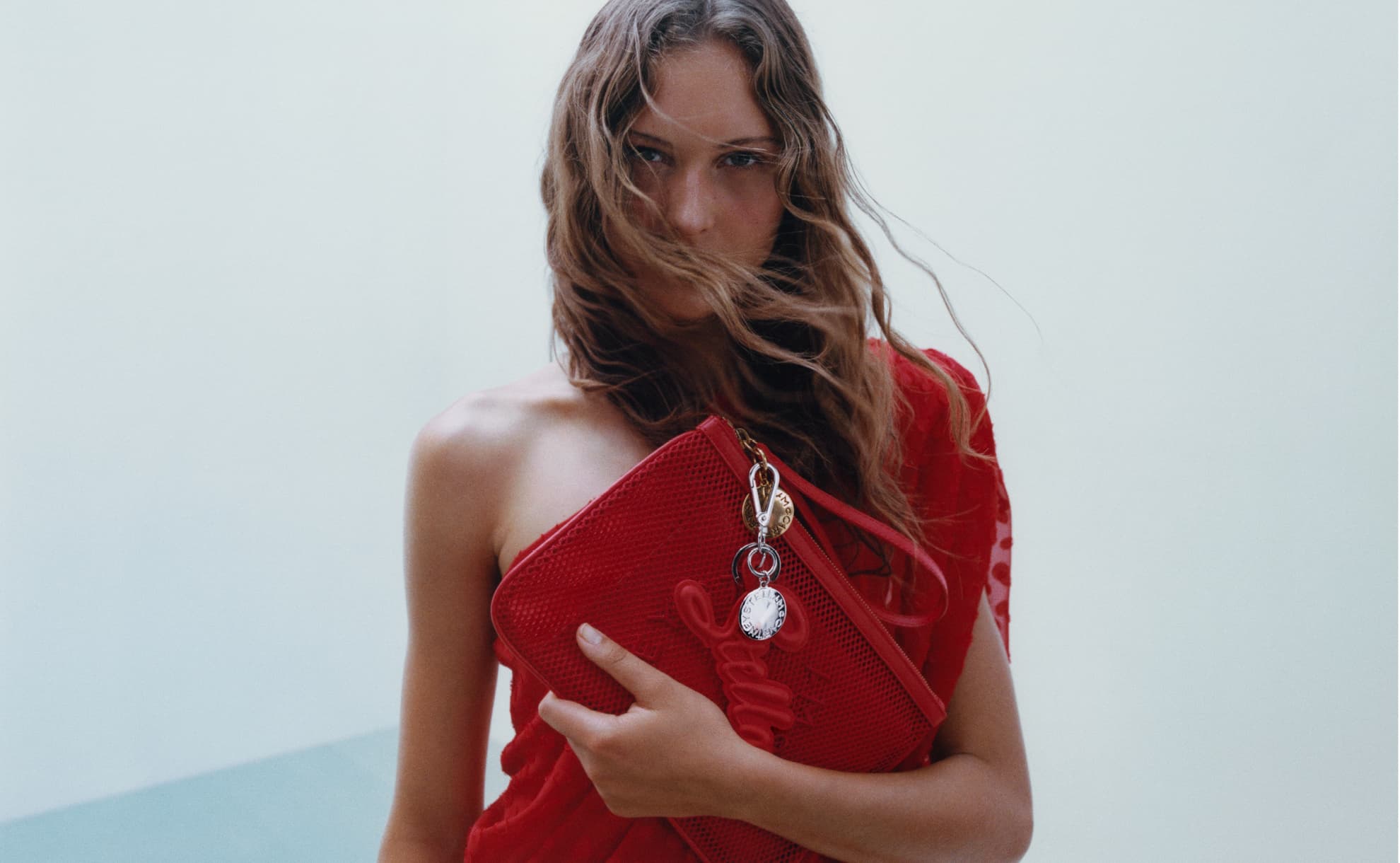
In fact, H&M is set to launch a highly anticipated collaboration with Stella McCartney in May 2026, centred on sustainable materials, archival references, and signature silhouettes. The collection is said to feature designs “that move between partywear and boardroom tailoring”, including structured suiting and crystallised mesh bodysuits. However, the online and offline “hype” surrounding the McCartney collaboration pales in comparison to H&M’s earlier high-impact partnerships, such as H&M’s collaborations with Karl Lagerfeld in 2004, Maison Margiela in 2012 and Balmain in 2015. This could be a case that consumers are desensitised by the repetition of the high-meets-low collaborations, or that the collection may not be as culturally disruptive in the way its predecessors once were.
A Northumbria University study found that luxury collaborations with mass retailers can lead consumers to develop negative perceptions of the core luxury brand. This is said to occur when the alliance fails to meet expectations of authenticity or exclusivity, causing consumers to avoid future engagement. The ubiquity of designers like Clare Waight Keller and JW Anderson (both have collections for Uniqlo) in mass-market retail further reduces the perceived rarity of these partnerships.
Collaboration Between Legacy Maisons
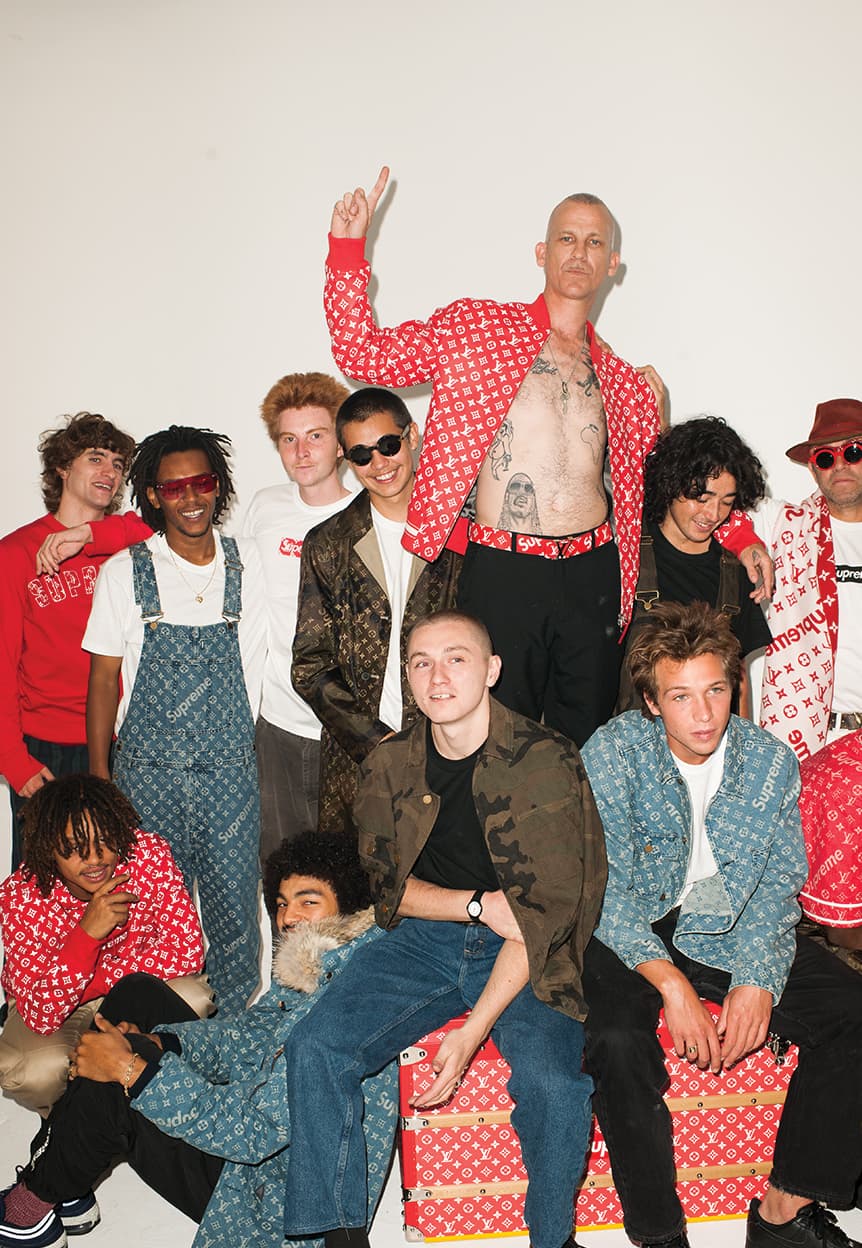
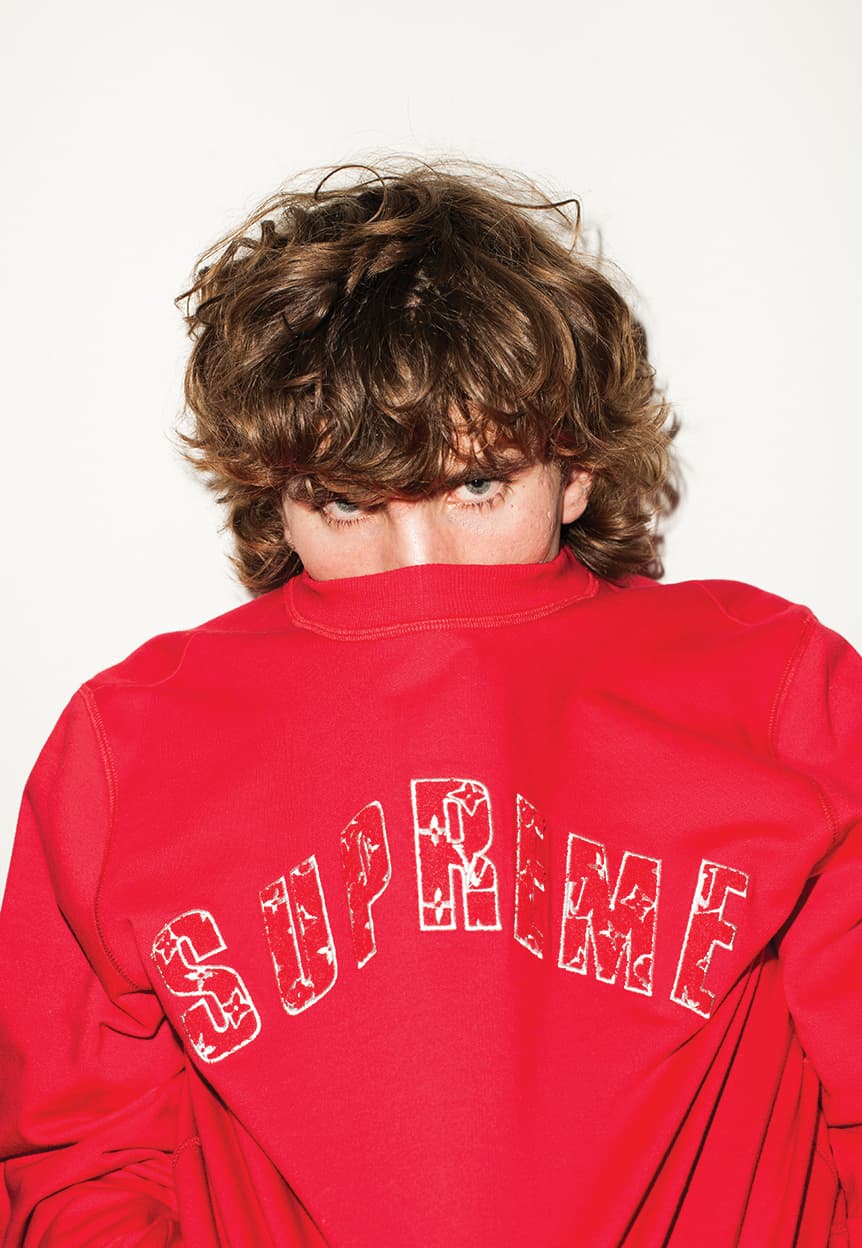
Collaborations between legacy Maisons operate as tightly controlled exchanges of visual codes between established luxury houses, functioning less as disruptive partnerships and more as genuine, curated collaborations. Rather than expanding accessibility, these projects act as strategic dialogues where identity and design language are temporarily reframed within highly managed creative boundaries.
The 2017 collaboration between Louis Vuitton and Supreme marked a defining moment in this model, merging Supreme’s downtown streetwear codes with Louis Vuitton’s luxury travel heritage. By reworking the monogram and limiting distribution to exclusive pop-ups, the partnership elevated streetwear into the luxury system while maintaining strict control over scarcity and cultural positioning. Crucially, it generated unprecedented hype, driven by long queues, global media saturation and resale speculation that far exceeded the product itself, transforming the collection into something of a cultural event in the fashion industry rather than a generic “drop”.
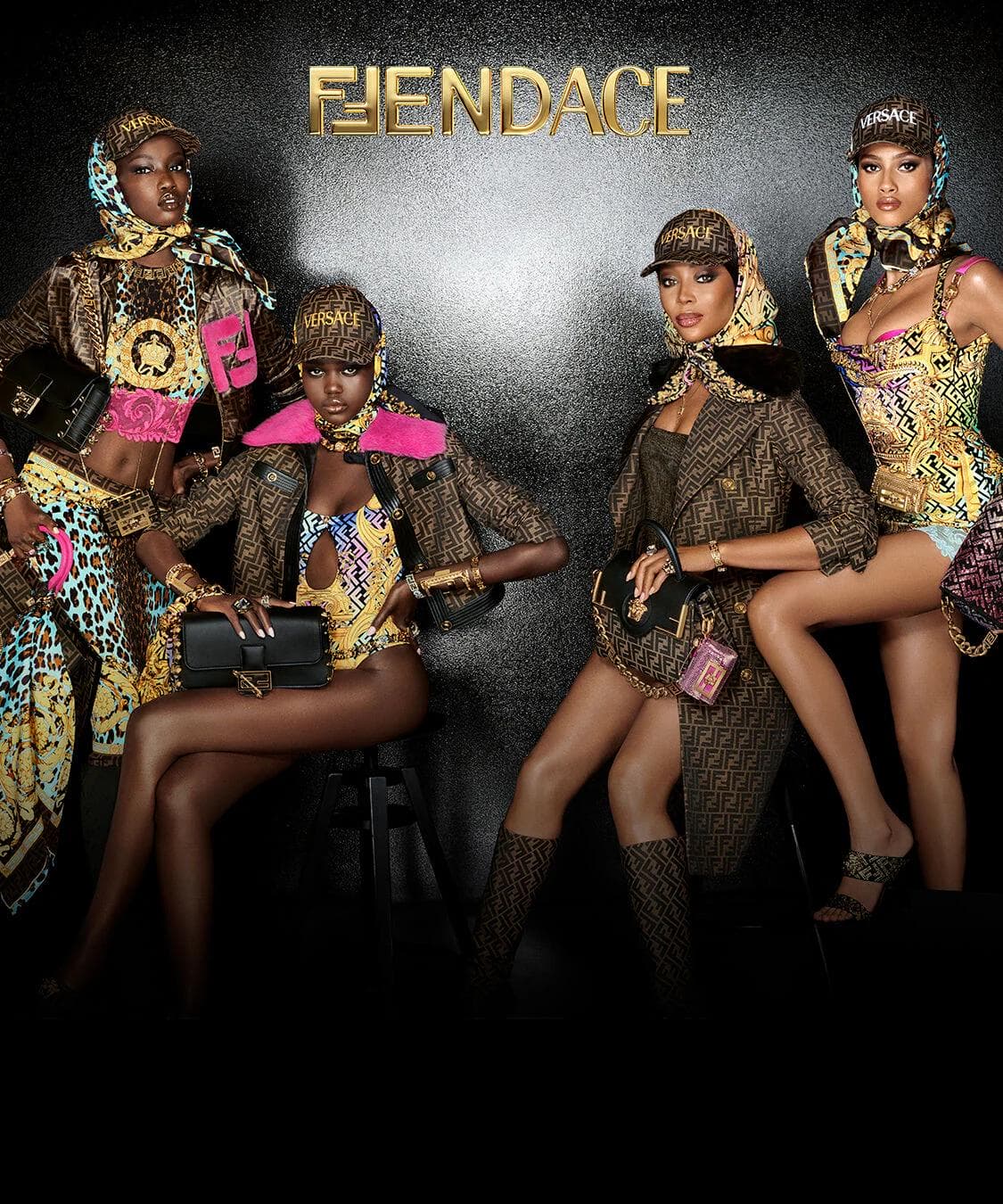
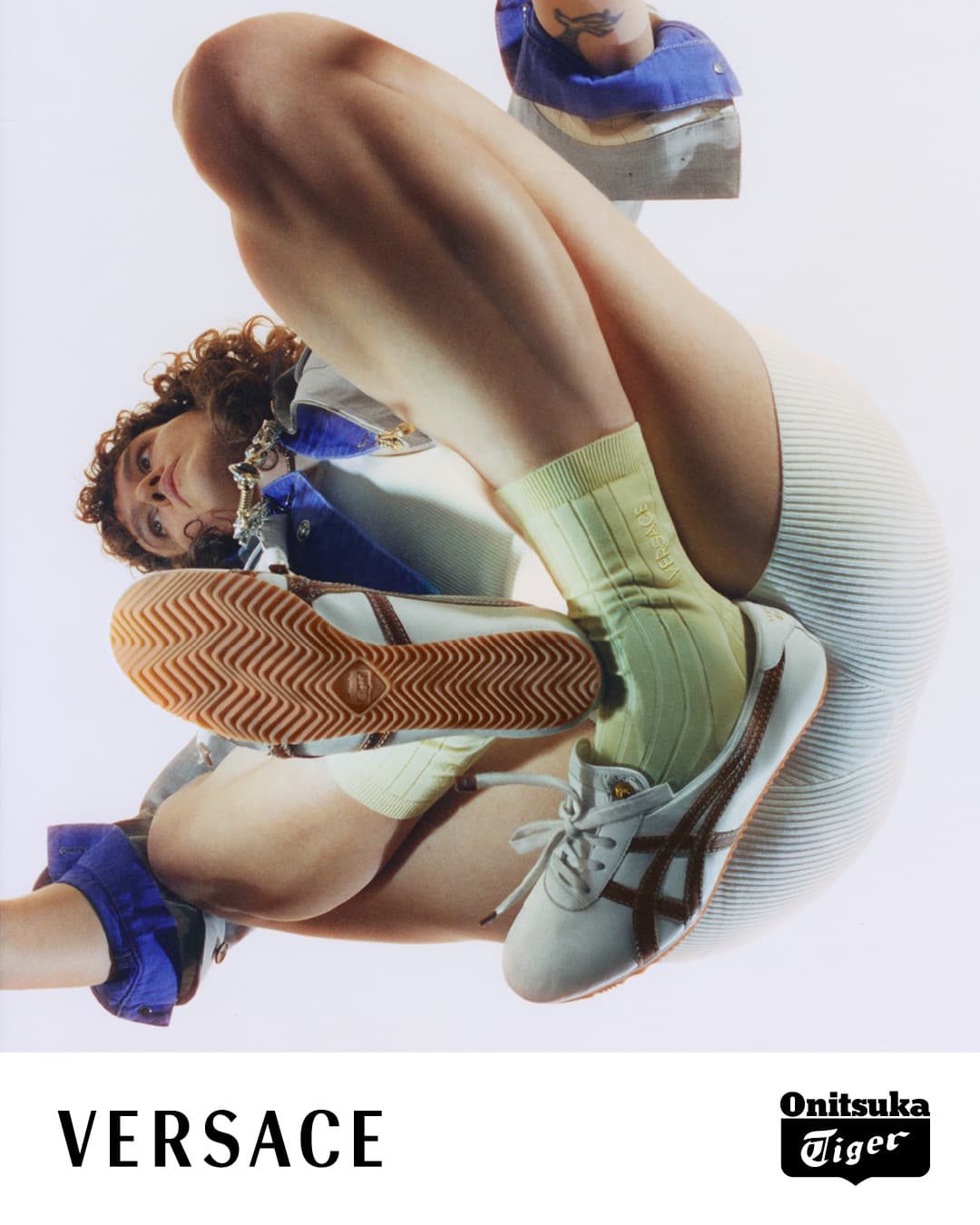
Similarly, 2022’s “Fendace” (Fendi × Versace) operated as a reciprocal “creative swap” rather than a traditional co-branding partnership, with each house interpreting the other’s visual identity through its own design language. The result was a successfully merged aesthetic alongside a staged reinterpretation of heritage codes, reinforcing both brands through contrast rather than synthesis. The collaboration’s impact was amplified through runway spectacle and celebrity-driven advertising, reinforcing its status as a moment engineered for visibility and anticipation.
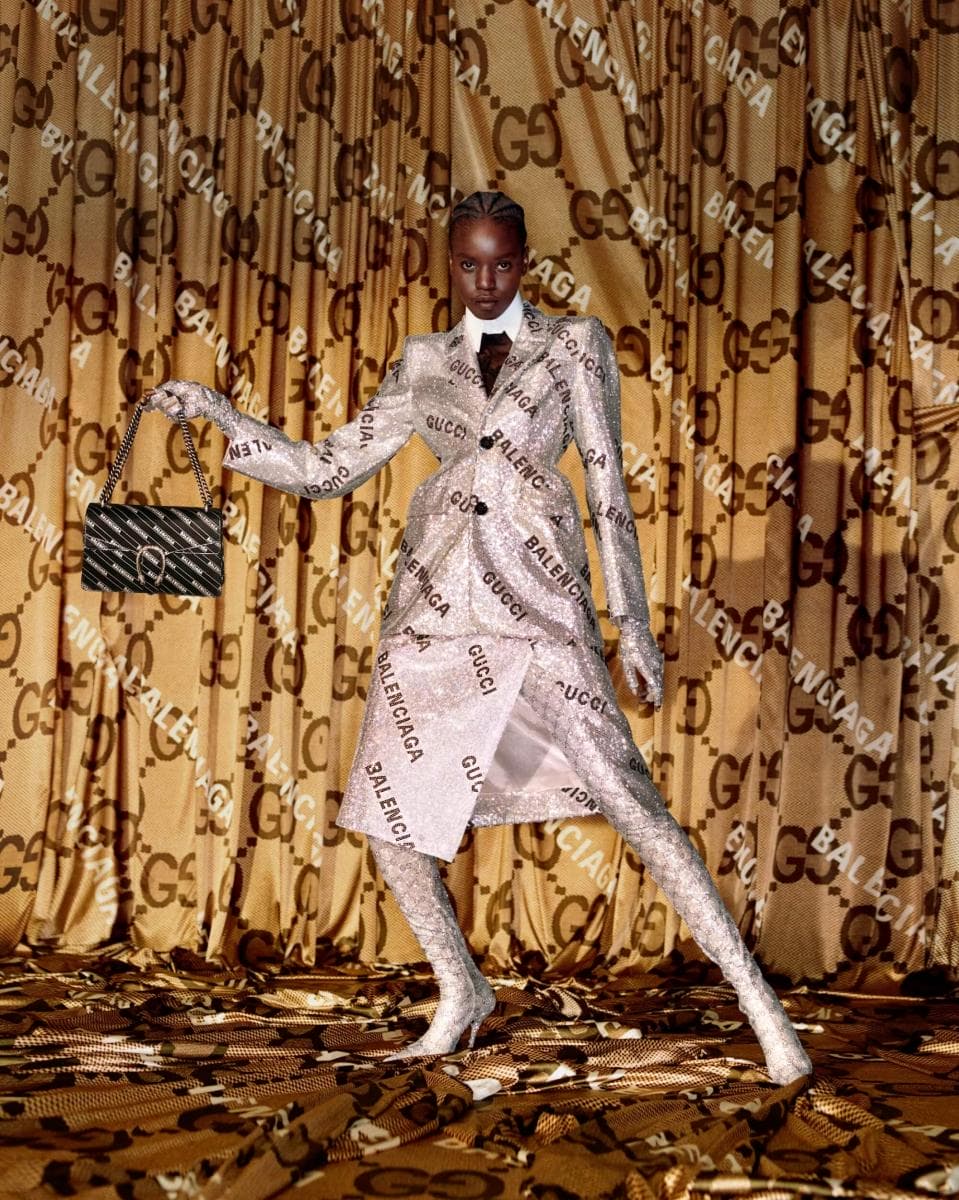
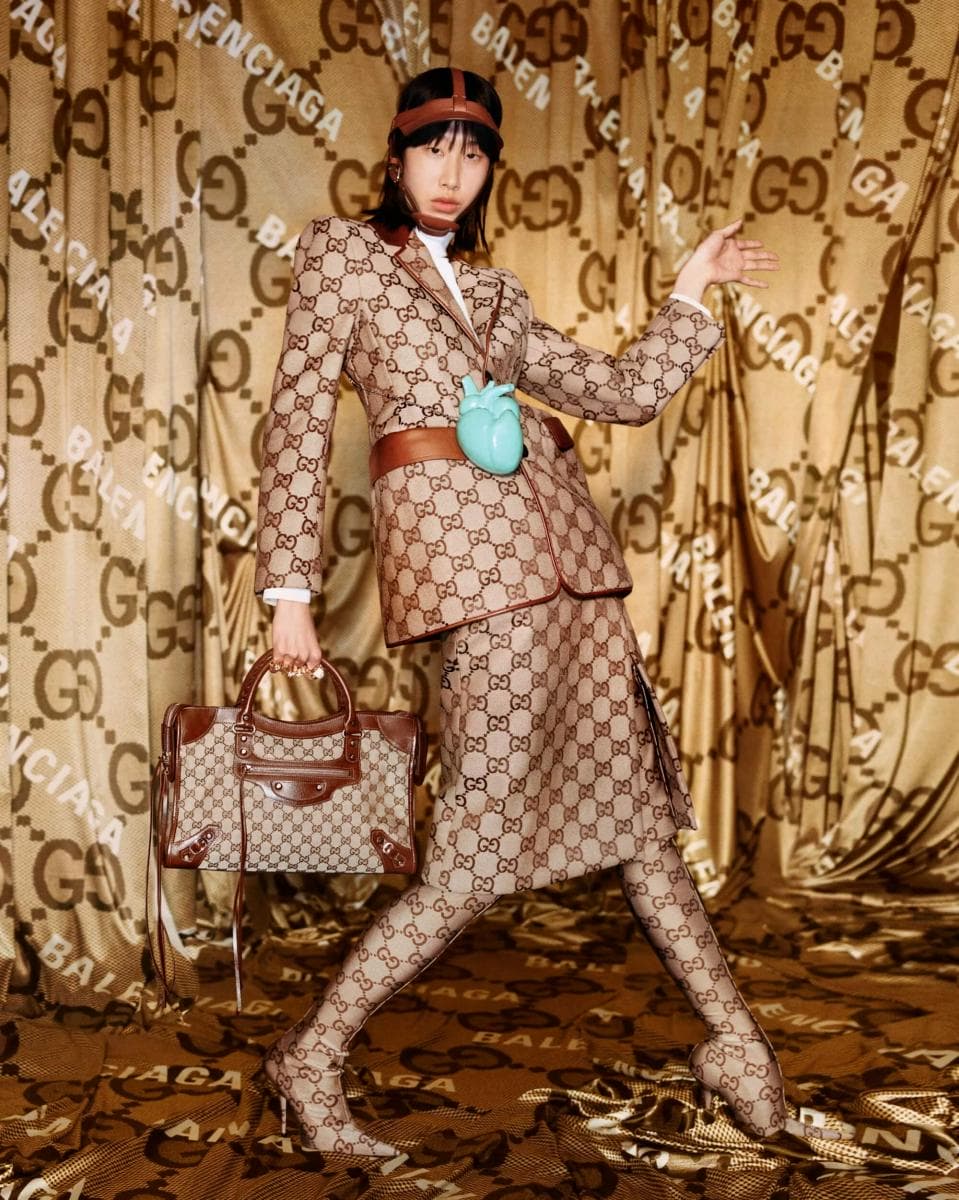
In the case of the 2021 Gucci × Balenciaga (dubbed “Hacker Project,”) collaboration was framed as conceptual appropriation rather than joint creation. Gucci’s silhouettes were reworked through Balenciaga’s visual identity, producing a controlled tension between authorship and reinterpretation. The project functioned less as a product collaboration and more as a commentary on brand identity itself. Its hype was rooted in the idea of two rival luxury codes collapsing into one another, engineered for discourse across digital and editorial channels. Simply put, where is the conversation — or cultural rupture — in collaborations in 2026?
Tapping into Cultural Irony
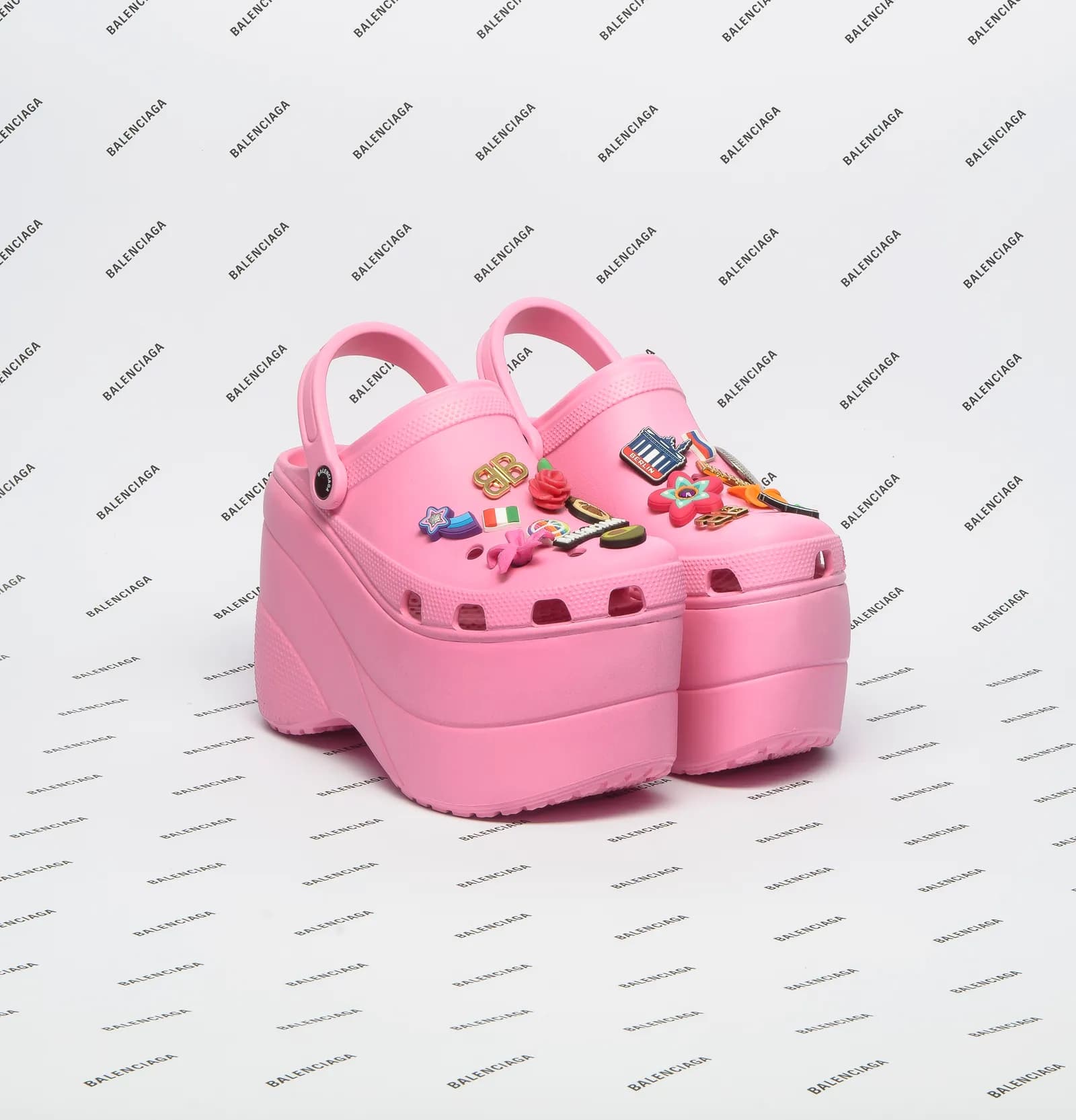
There is something to be said about the rise of collaborations honing in on shock value and targeting Gen Z consumers with kitsch marketing rather than sustained cultural relevance or design integrity. Case in point, the success of irony — and the internet’s appetite for it. The Balenciaga × Crocs partnership illustrates this shift clearly. First introduced in 2017 and reappearing in 2021–2022 with exaggerated silhouettes such as platform clogs and stiletto Crocs, the collaboration achieved virality through shock value rather than long-term brand equity.
While it dominated digital culture and resale discourse, its long-term appeal diminished as irony fatigue set in — exposing a disconnect between visibility and lasting cultural value. Industry observers note that younger luxury consumers increasingly prioritise authenticity, subcultural credibility and sustainability over traditional status signalling, often gravitating towards independent or emerging labels rather than established luxury alliances.
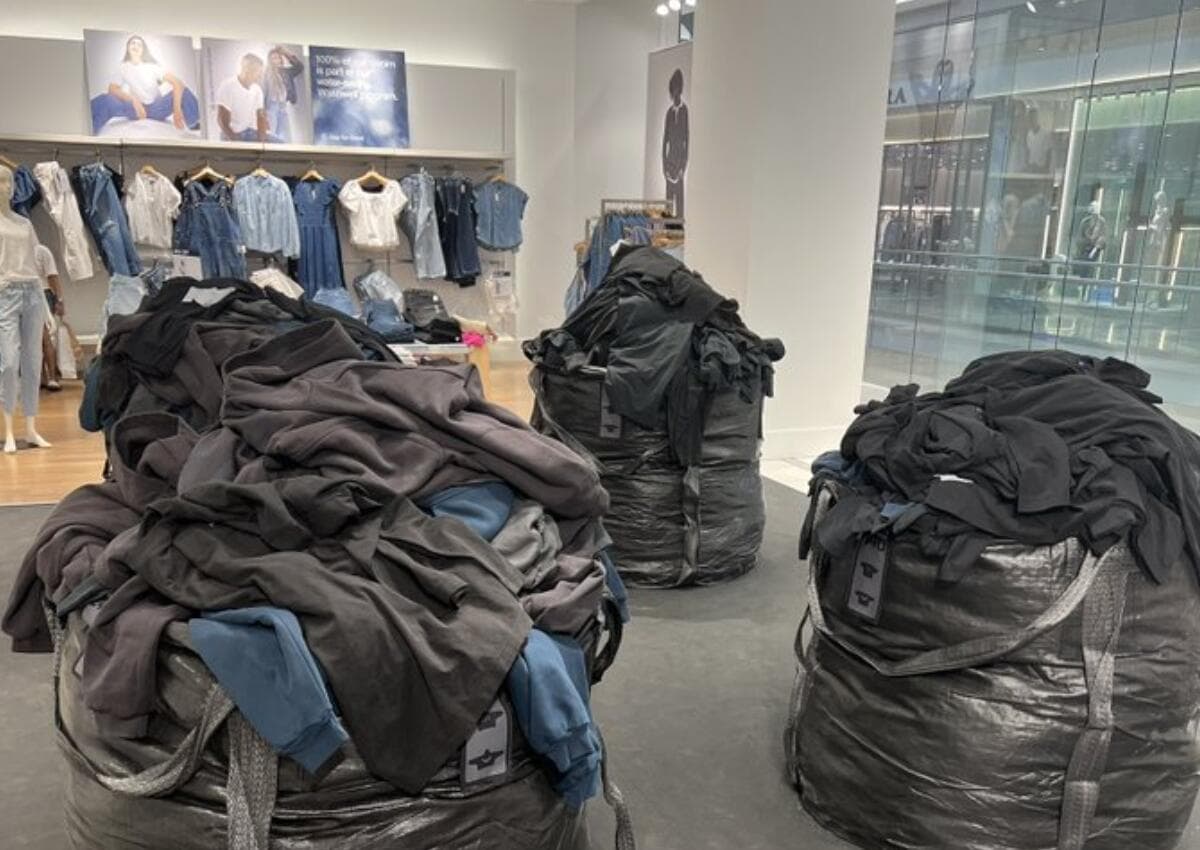
A similar pattern can be observed in the 2020 Yeezy × Gap collaboration, where initial anticipation and cultural buzz failed to translate into sustained desirability. Despite intense pre-launch hype, delays and strong digital visibility, the partnership struggled to achieve consistent cultural traction, particularly when measured against more organically rooted sneaker and streetwear ecosystems (such as the success of Yeezy × Adidas). The rollout was further complicated by escalating controversies surrounding Kanye West, whose increasin
Read more from original article, all rights reserved Opinion: The Exhaustion of the Fashion Collaboration Model
Leave a Reply