
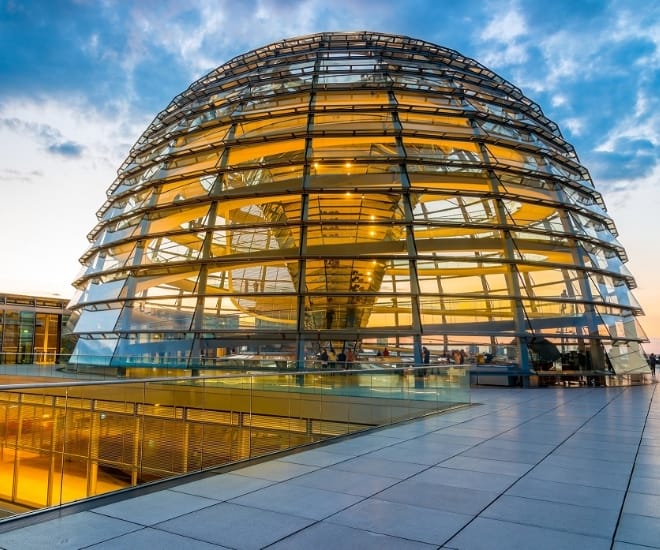
In architecture, a signature style is often the result of a singular creative obsession. LUXUO looks at eight influential architects whose work carries a clear, repeatable design logic. Each developed a distinct visual language — whether through fluid forms, dramatic use of light, brutalist honesty, or radical geometry. Today, their buildings go beyond engineering — from city skylines to remote structures, these figures have left a lasting mark. What unites them is discipline, clarity of vision and a refusal to follow trends.
Zaha Hadid — The Fluid Geometry of Motion
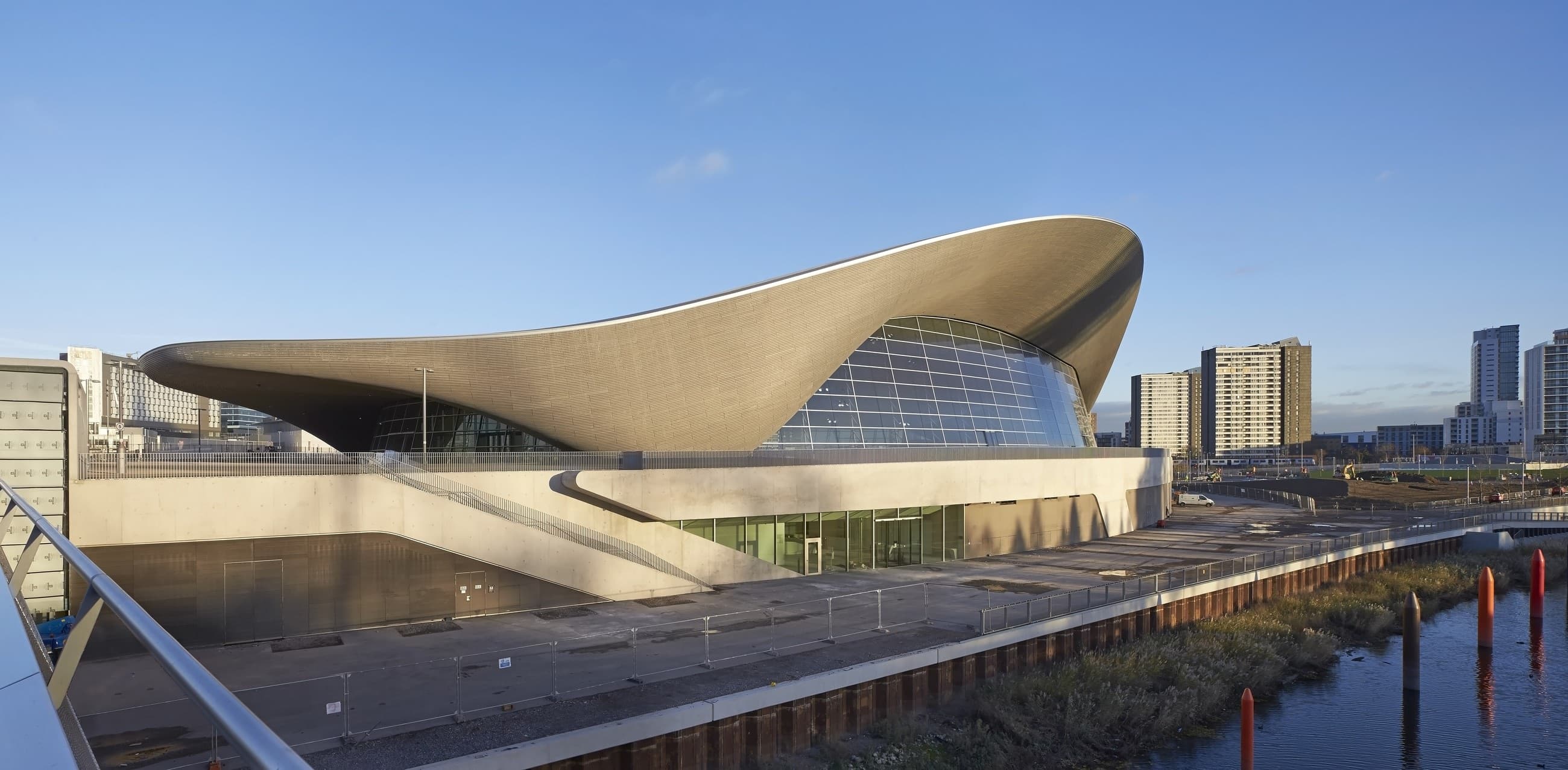
Dame Zaha Hadid, often called the “Queen of Curves” reshaped architecture by merging art, mathematics and technology. Her fluid, warped and gravity-defying style grew out of Russian Suprematism, especially Kazimir Malevich’s rejection of fixed perspective. Hadid believed architecture should not sit still in space. Instead, it should become a space for a continuous flow of motion. The Heydar Aliyev Centre in Baku (2012) shows this style clearly. White curving surfaces and open interiors ripple like fabric, erasing boundaries between floor, wall and ceiling. The London Aquatics Centre (2011) echoes water’s movement with a sweeping timber roof that stretches 160 metres from a single concrete base. In both buildings, there are no straight lines or right angles. Hadid’s work is unmistakable because her forms do not just look dynamic. They force the viewer to move around within them to fully explore the depth of the structure.
Louis Kahn — The Gravitas of Light and Mass
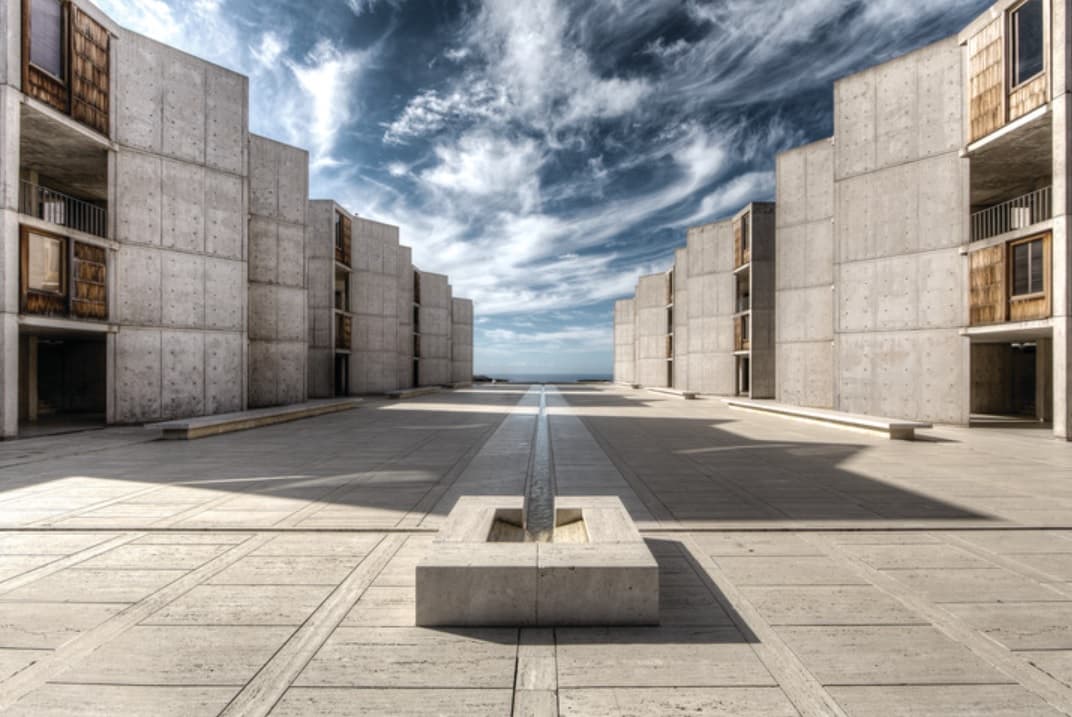
Louis Kahn’s silent, monumental and sacramental signature emerged from a philosophy that architecture must ask what a building “wants to be.” Rejecting ornamentation entirely, Kahn believed that light was the maker of material and that material was the expenditure of light. His work evokes what critic Vincent Scully called “the silence and the light.” The Salk Institute for Biological Studies in La Jolla (1965) merges raw concrete, teak and travertine into a monastic courtyard bisected by a linear pool that captures Pacific sunsets in perfect symmetry. Light becomes the only ornament. The National Assembly Building in Dhaka (1982) elevates architectural mass to something spiritual. Geometric voids cut through concrete to filter daylight, creating a sanctified civic space where illumination changes by the hour. Kahn’s signature is unmistakable in the weight of his concrete, poured in situ with visible formwork seams and in the deliberate play of shadow. No other architect makes mass construction feel simultaneously crushing and devotional.
Frank Gehry — The Sculpture of Deconstruction
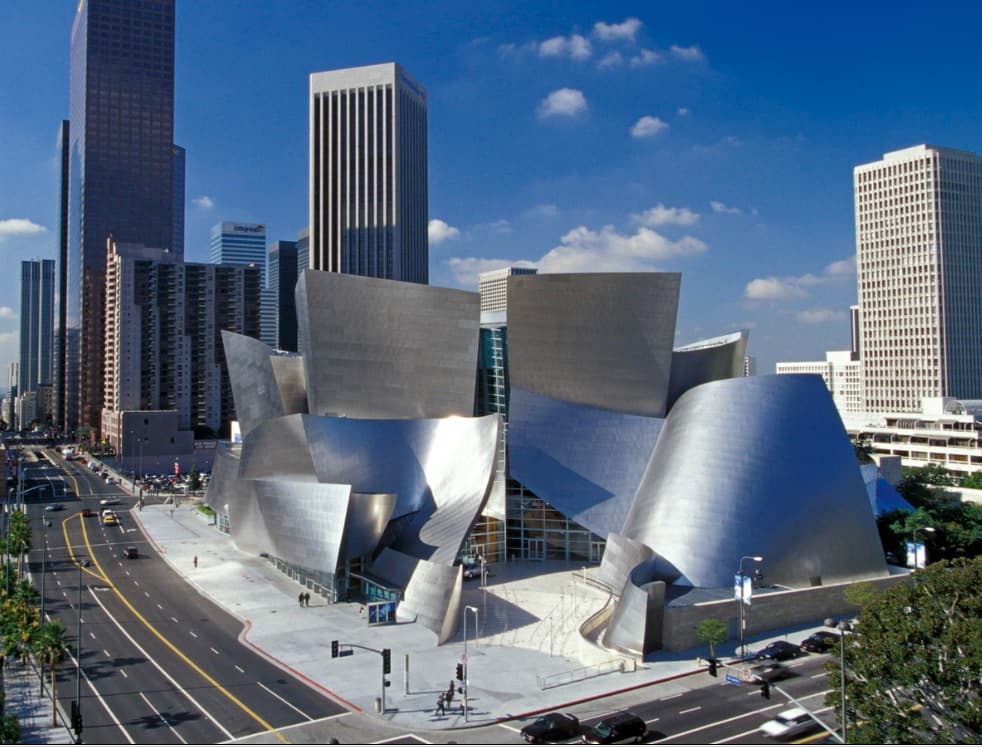
Frank Gehry transforms architecture into expressive sculpture through fragmentation, torsion and deliberate chaos. His signature was defined by buckling metal sheets, shattered volumes and impossible curves and derives from a philosophy that architecture should reflect the disorder of contemporary life, not suppress it. Gehry has cited fish for their structural logic and scale movement and the deconstructivist writings of Jacques Derrida as influences. The Guggenheim Museum Bilbao (1997) stands as the movement’s masterwork. Titanium-clad curves — inspired by fish scales and the Nervión River’s currents — shimmer and twist across a 32,500 square metre footprint. The Walt Disney Concert Hall in Los Angeles (2003) continues this language. Stainless steel sheets fold into a visual crescendo echoing orchestral rhythm, with some panels angled to catch morning light and others to recede into shadow. Gehry’s signature is unmistakable because his buildings are in motion, caught mid-collapse or mid-explosion, yet resolve into coherent, functional volumes. Gehry understands how to create tension between disorder and beauty on a big scale.
Tadao Ando — The Discipline of Silence and Shadow
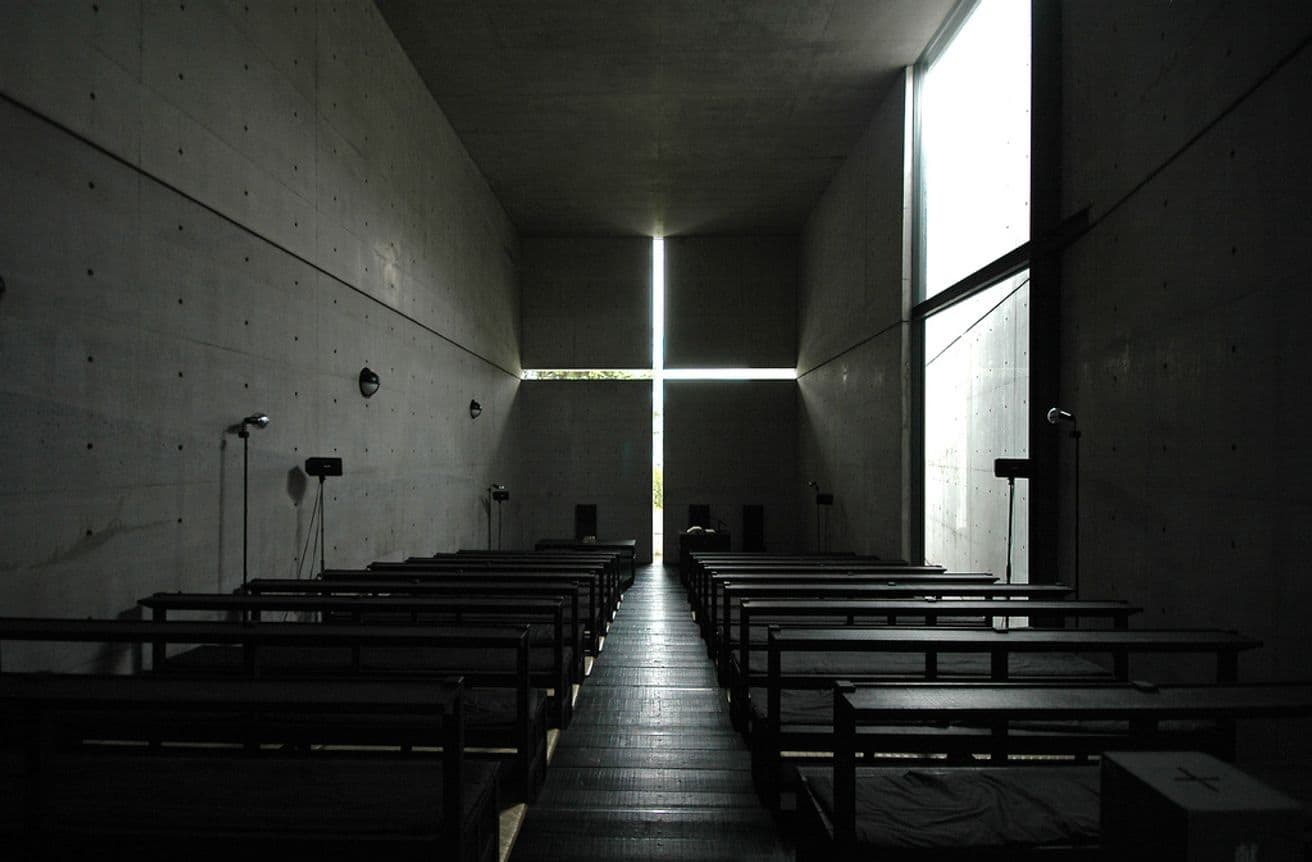
Tadao Ando’s signature can be described as severe, silent and shadow-haunted, deriving from a philosophy rooted in Zen Buddhism and the Japanese concept of ma, or negative space. Ando believes that architecture is a frame for emptiness, not a filling of it. His material is exclusively exposed, unfinished concrete, poured into formwork with such precision that the wood grain leaves a ghostly texture. However, the true signature is light. Not direct illumination, but light filtered, delayed and turned to shadow. The Church of the Light in Osaka (1989) distils faith into an intersection of raw concrete and a cruciform aperture carved through the altar wall. Daylight enters only through that cross, carving sanctity from darkness. The Naoshima Contemporary Art Museum (1992) integrates structure into landscape, employing in-situ concrete to frame carefully composed views of the Seto Inland Sea, where shadows move across walls at measured speeds. Ando’s signature is unmistakable because his buildings feel carved, not built and because they demand a slowing down, a submission to silence that no other minimalist achieves quite so successfully.
Le Corbusier — The Machine for Living
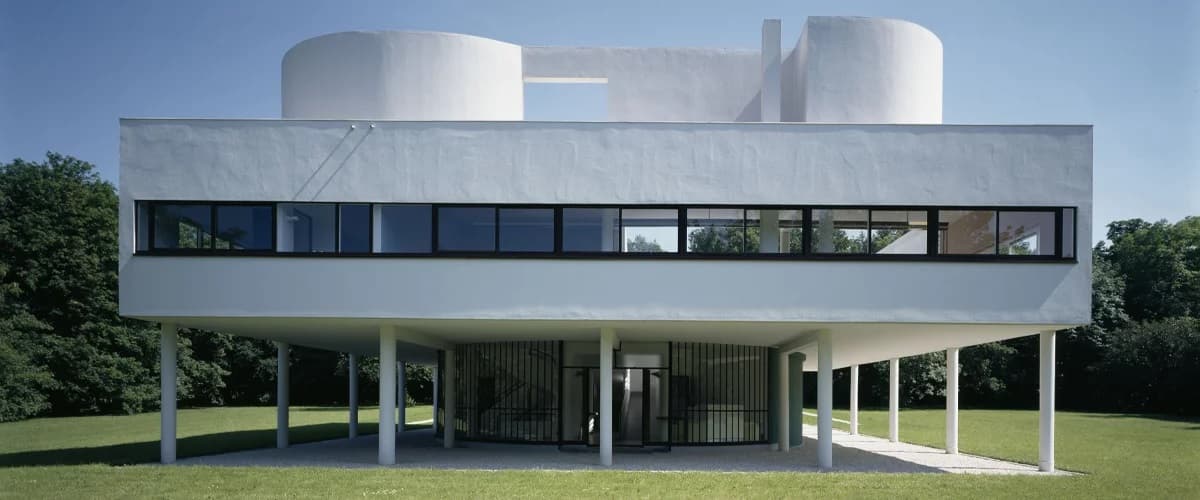
Le Corbusier’s signature was defined by white volumes, horizontal ribbon windows, free-floating façades and pilotis and was derived from a philosophy that architecture had become choked by ornament and history. His answer was the house as une machine à habiter or a machine for living. This was seen as something of a liberation as industrial logic applied to human comfort. His “Five Points of Architecture”
Read more from original article, all rights reserved 8 Architects and the Signature Styles That Shaped Modern Architecture
Leave a Reply