

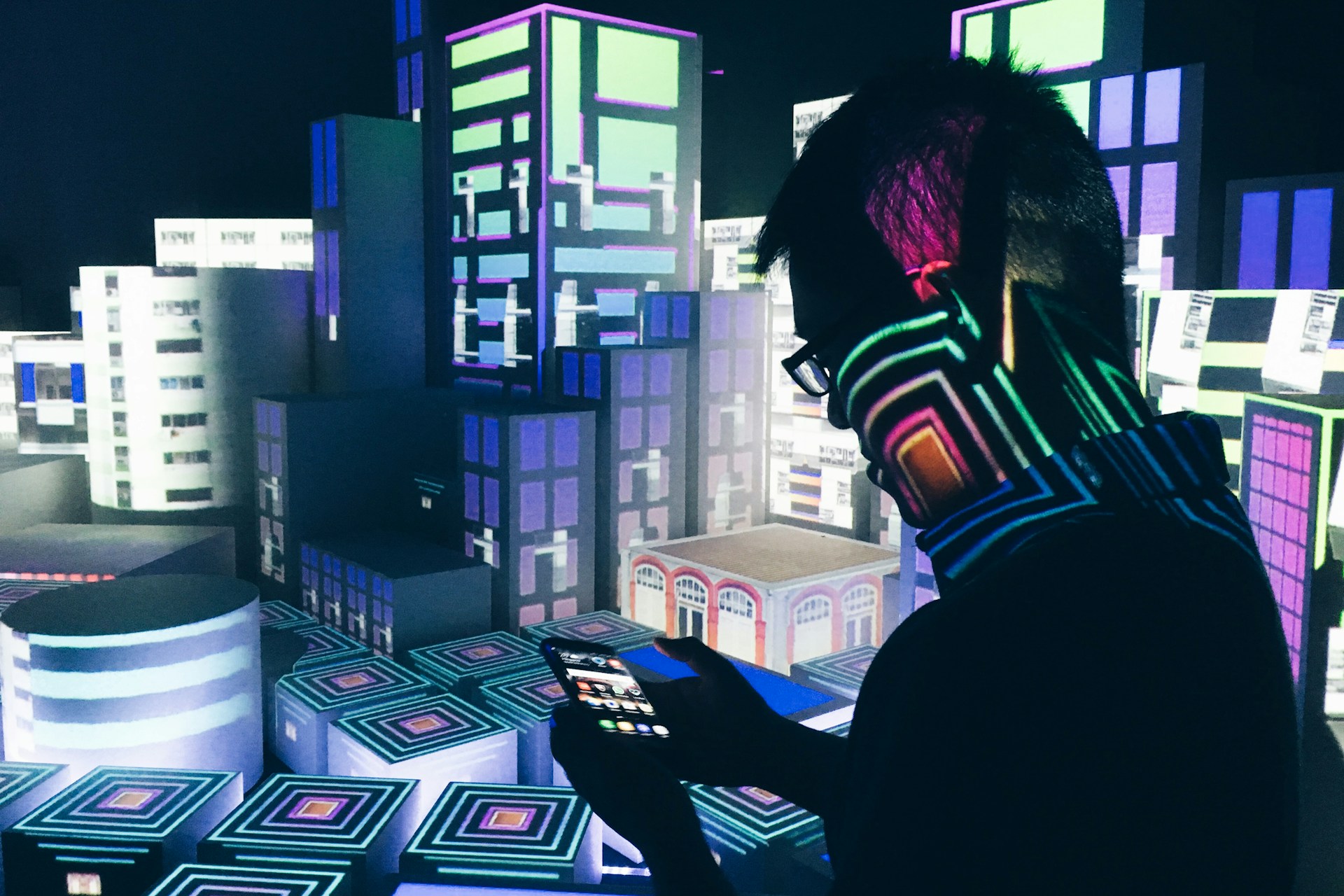
Luxury experiences are recreated digitally as brands blend exclusivity with technology. Virtual showrooms, immersive websites, and invitation-only online events now mirror the personalisation that was once reserved only for physical spaces. Now, high-end brands use AI, AR, and bespoke digital content to make you, the customer, feel seen and valued. To further reinforce rarity and status, brands rely on blockchain-backed NFTs and private communities. By focusing on craftsmanship, storytelling, and tailored interaction, digital luxury transforms screens into premium experiences. These experiences often replicate the emotion of elite service.

The Digital Transformation of Luxury Experiences
The digital transformation of luxury experiences reshapes how exclusivity and prestige are delivered to modern customers. From virtual fashion shows to personalised digital concierge services, brands maintain an emotional connection without physical presence. Luxury experiences feel more intimate, rare, and refined when they have carefully curated content, data-driven optimisation, and private digital spaces.
Why Affluent Audiences Are Embracing Online Luxury
Affluent audiences embrace online luxury as it offers convenience without sacrificing exclusivity. Many digital platforms offer instant access to personalised services, private previews, and tailored experiences that fit smoothly into busy lifestyles. With advanced technologies like AI, virtual consultations, and immersive storytelling, brands can recreate the attentiveness of in-store service. For wealthier consumers who value time as much as quality, online luxury delivers sophistication, discretion, and tailored engagement.
Core Elements That Define Digital Luxury
The study “Digital Transformation in the Luxury Industry: Strategies, Challenges, and Opportunities” explores the importance of digital channels regarding the communication between consumers and enterprises. It highlights the necessity for businesses to stay connected with consumers and the key elements that define digital luxury. The core elements include a balanced combination of exclusivity, personalisation, and immersive design, further powered by data and AI-driven recommendations.
Exclusivity Through Limited Access and Membership Models
Exclusivity is showcased through various limited-access and membership-based models. Brands control scarcity while rewarding loyalty through invitation-only platforms, private drops, and tiered memberships. They offer members early access, bespoke content, and personalised services that aren’t available for everyone. Doing this allows luxury brands to preserve a sense of privilege while creating elite communities, where belonging and status are as valuable as the products.
High-End Design, UX, and Immersive Interfaces
Digital luxury is defined by high-end design, refined user experience, and immersive interfaces. Clean layouts, elegant typography, and attention to detail reflect the craftsmanship of the brand itself, while smooth navigation and fast performance ensure effortlessness. immersive elements like 3D visuals, AR, and cinematic storytelling further improve the engagement by making interaction intentional, polished, and emotionally resonant.
Personalisation as the New Status Symbol
Personalisation is important as it replaces overt displays of wealth with a tailored experience. Many of you surely value those brands that anticipate your preferences, remember your history, and offer bespoke interactions. With AI-driven recomm
Read more from original article, all rights reserved How Luxury Experiences Are Being Recreated Digitally
Leave a Reply