


Learn how to build a simple, reliable reputation stack so you can spot issues early, document what happened, and respond fast without chaos.
Reputation used to mean PR, reviews, and the occasional crisis statement. In 2026, it is also your search results, screenshots on social, AI summaries, employee chatter, and affiliate content you did not approve.
The hard part is not “having tools.” It is having the right tools connected to a workflow your team will actually use when something breaks on a Saturday.
This guide walks through a practical reputation tech stack: monitoring, archiving, alerting, and response workflows that reduce surprises and keep your brand resilient.
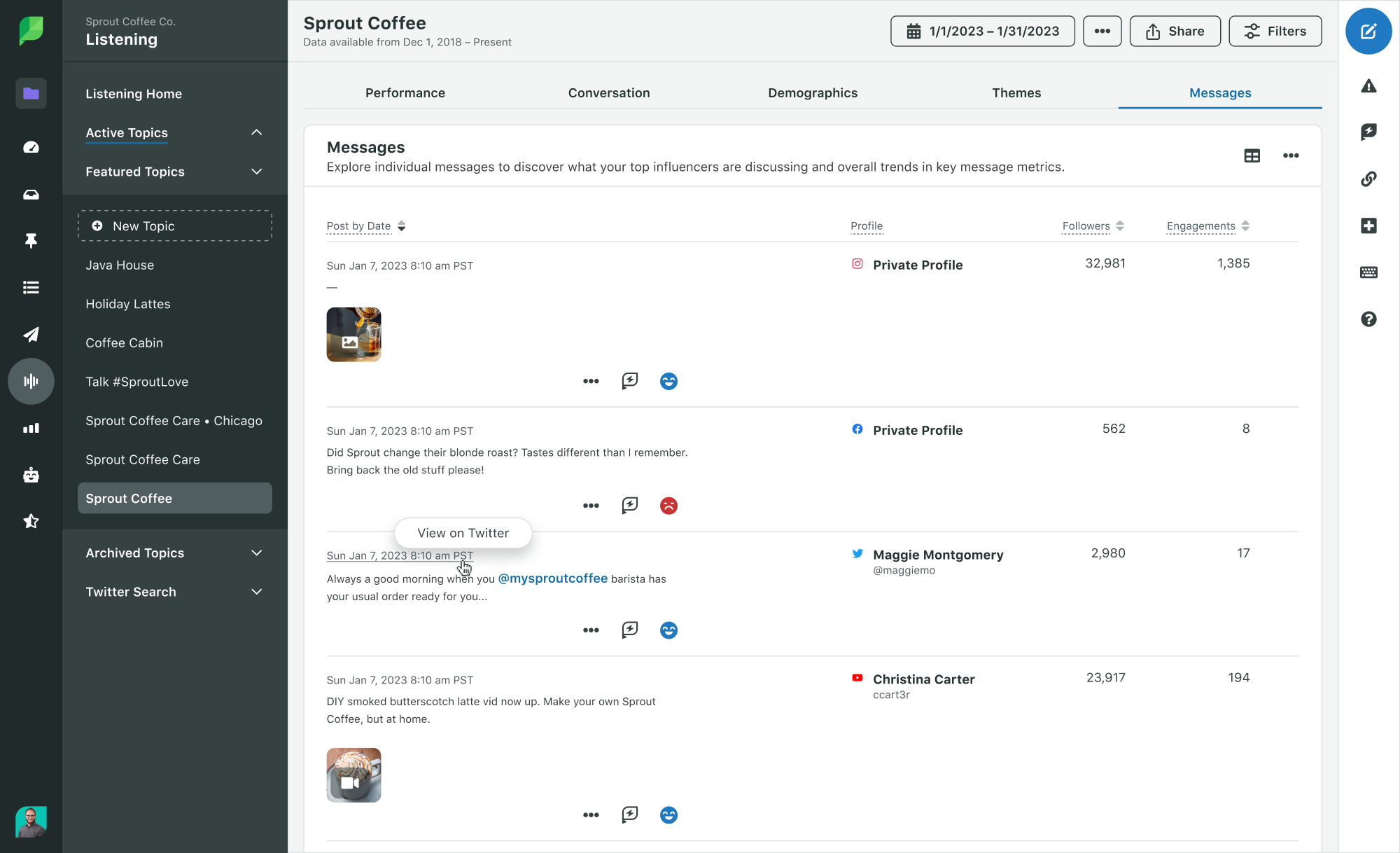
What is a reputation tech stack?
A reputation tech stack is the set of tools and processes you use to:
- Detect new mentions and risks early
- Preserve evidence (what was said, when, and where)
- Route issues to the right owner quickly
- Track decisions, actions, and outcomes over time
Think of it like security monitoring, but for trust. You are not only watching for “bad press.” You are watching for anything that could change how customers, partners, or employees perceive your brand.
Core components usually include:
- Monitoring and listening
- Review tracking
- Change detection (when a page updates)
- Archiving and evidence capture
- Alerts and escalation
- A response workflow and ticketing system
- Reporting and post-incident learning
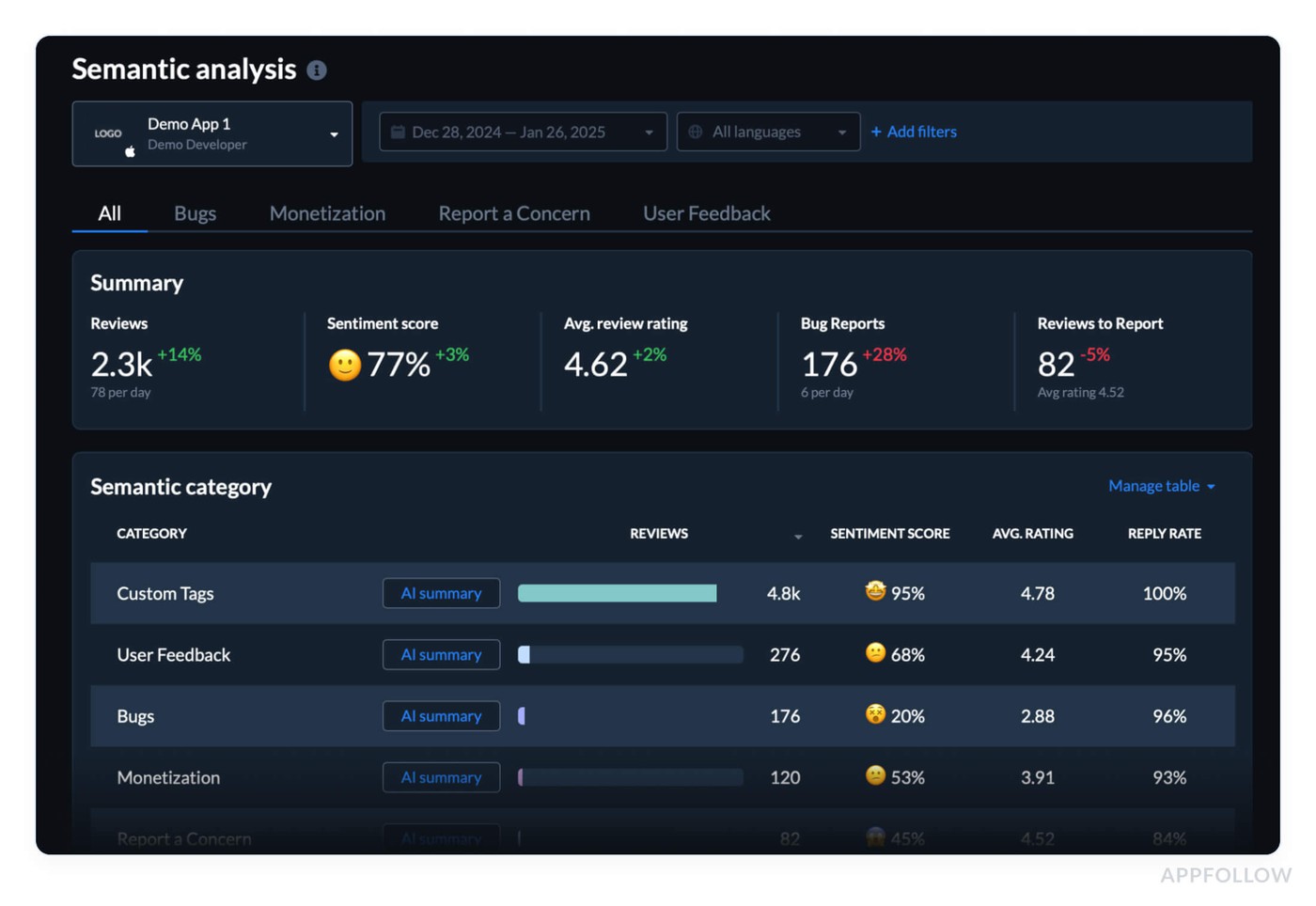
What should your stack do every week?
A good stack runs quietly in the background, then gets loud only when it should.
Here is the baseline behavior you want:
- It catches new mentions within hours, not weeks
- It shows you patterns (one-off complaint vs a spike)
- It saves proof automatically (screenshots, URLs, timestamps)
- It assigns an owner and a next step
- It creates a record you can reference later
If your team still relies on “someone saw it on X,” you do not have a stack. You have luck.

The four layers of a modern reputation stack
Monitoring and listening
This layer answers: “What is being said, and where is it spreading?”
Use a mix of sources because no single tool sees everything.
Search monitoring: Track branded queries, product names, executive names, and common misspellings. Include “scam,” “lawsuit,” “refund,” “review,” and your top competitors in watchlists.
News and media monitoring: Catch coverage, syndicated reposts, and local press pickups.
Social listening: Watch TikTok, Reddit, X, Instagram, LinkedIn, and niche forums relevant to your industry.
Community signals: Monitor Discords, Facebook groups, Substack comments, and creator communities if they influence your buyers.
Tip: Build three watchlists: “Brand,” “Executives,” and “Risk keywords.” Keep them short enough that someone can review them in 10 minutes.
Archiving and evidence capture
This layer answers: “Can we prove what happened if the content changes or disappears?”
You want evidence for internal decision-making and for conversations with platforms, publishers, partners, or legal counsel.
- Screenshots with timestamps: Capture the visible content and the URL.
- Page archiving: Save HTML or PDF copies, not just images.
- Change history: Track when a page updates, especially for FAQs, policy pages, and articles that quietly edit details.
- Asset library: Store brand-approved statements, FAQs, and escalation templates so you do not write from scratch under pressure.
Did You Know? Many high-impact incidents start as small edits: a headline update, a new comment thread, or a repost that outranks the original. If you only save one screenshot, you often miss the “before” version that matters most.
Alerts and escalation
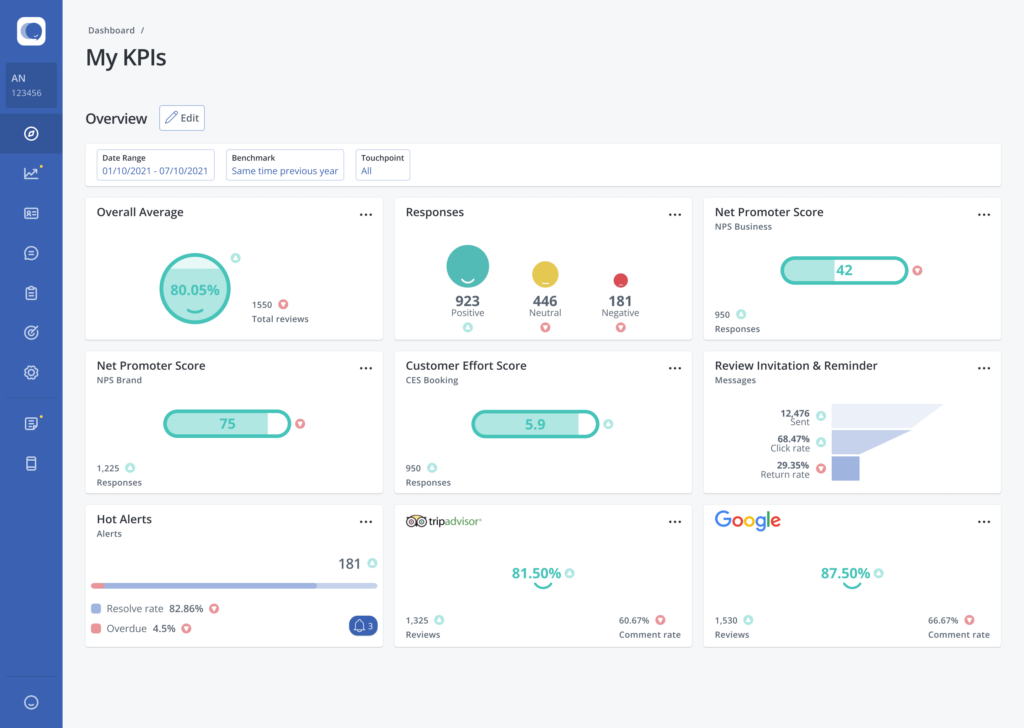
This layer answers: “Who needs to know, and how fast?”
Alerts should be tied to severity. Otherwise, people mute them.
- Low severity: Daily digest to comms or marketing.
- Medium severity: Immediate Slack or Teams alert to a triage channel.
- High severity: Pager-style escalation (text/phone) to an on-call owner.
Wha
Read more from original article, all rights reserved The Reputation Tech Stack Every Brand Should Have in 2026
Leave a Reply