

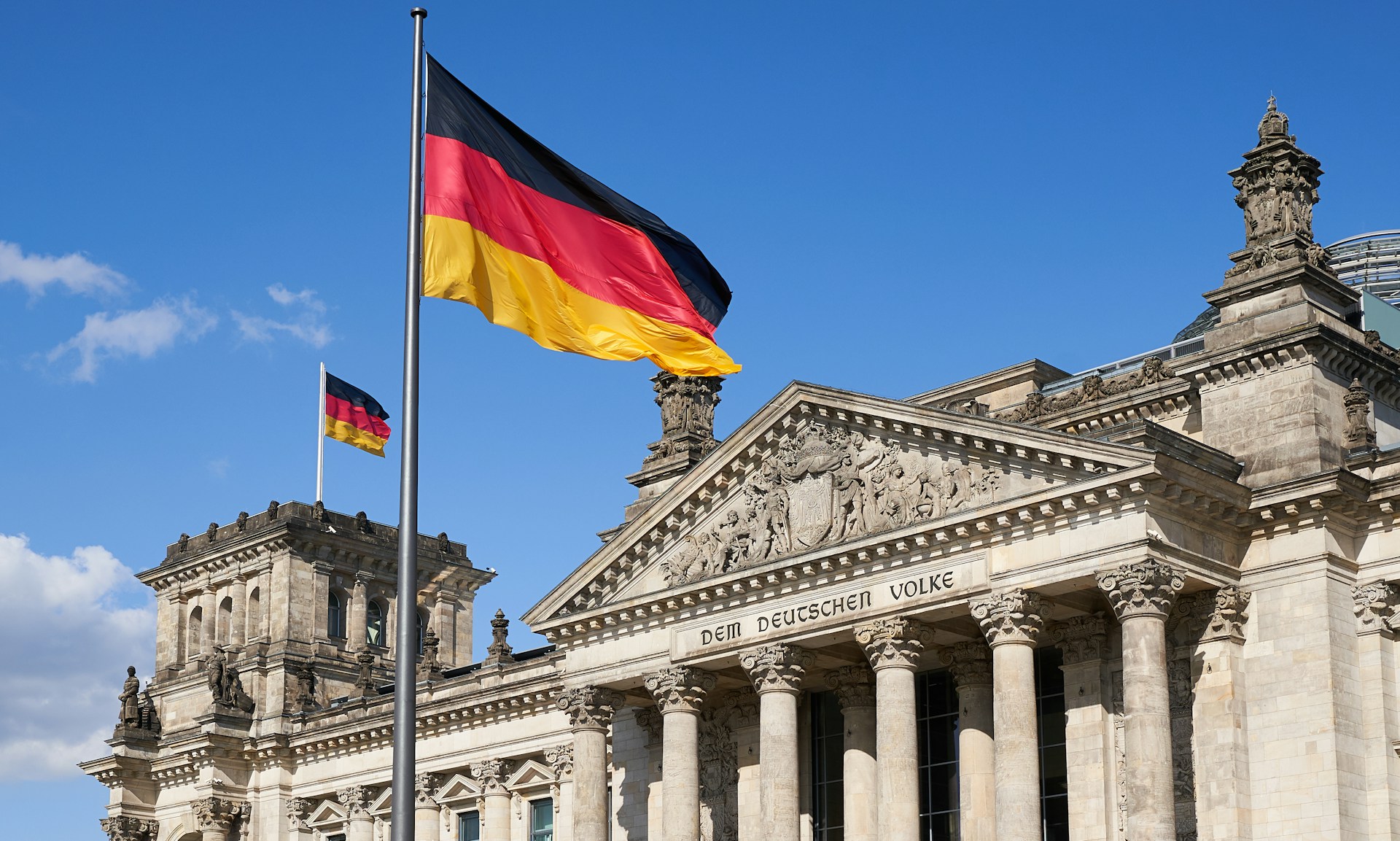
The year 2026 opens with a truth that no one can hide any longer. The industrial heartland of the continent, the bedrock of European prosperity for three decades, Germany has entered a structural recession. The Financial Times stated it clearly at the end of 2025: Europe’s largest economy will only painfully recover to its pre-2020-2022 level – that Germany of before the pandemic and the war in Ukraine, supported by cheap energy, globalized value chains, and a geopolitical stability that is now a thing of the past.
This is not a temporary setback. It is a regime shift.
But be warned, this is a model that is collapsing. Germany is not suffering from a skills shortage, nor from technological obsolescence. Germany is the victim of a series of political decisions—both German and European—that have methodically undermined its productive foundations. The question is no longer whether Berlin is going through a rough patch, but whether the European Union, through ideological blindness, has orchestrated the systemic weakening of its economic core.
The industrial agony
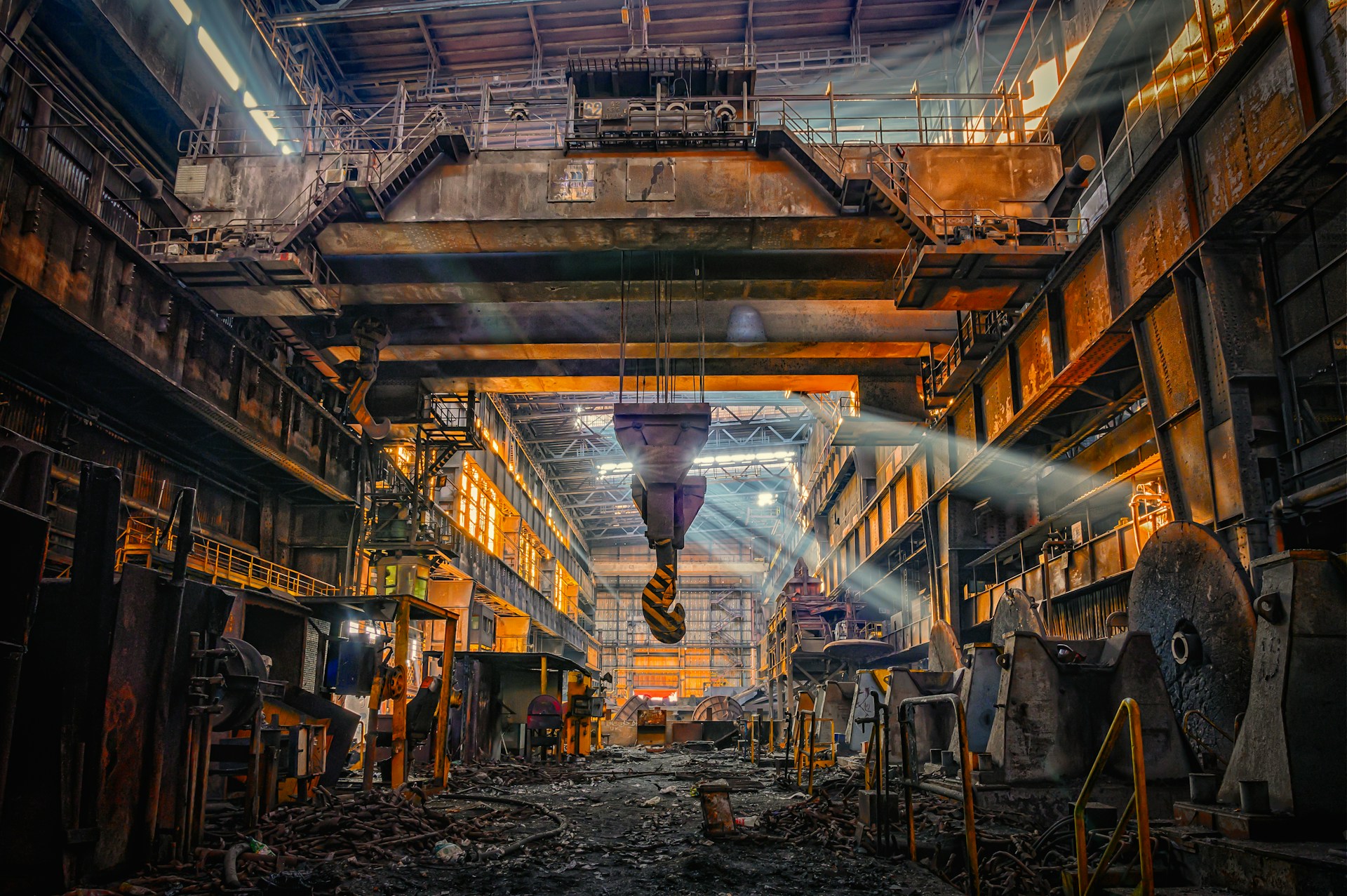
The figures are undeniable. By 2025, crude steel production there had fallen by approximately 10%. Iconic sites are closing or being stripped of their resources. The steel giants all cite energy costs that have become incompatible with any heavy-duty activity. The automotive industry, a pillar of the Mittelstand and a showcase of German expertise, is following the same downward trend. From 5.6 million vehicles produced in 2017, Germany’s output fell to just over 4 million in 2025. The 2026 projection is slipping towards 3.4 million.
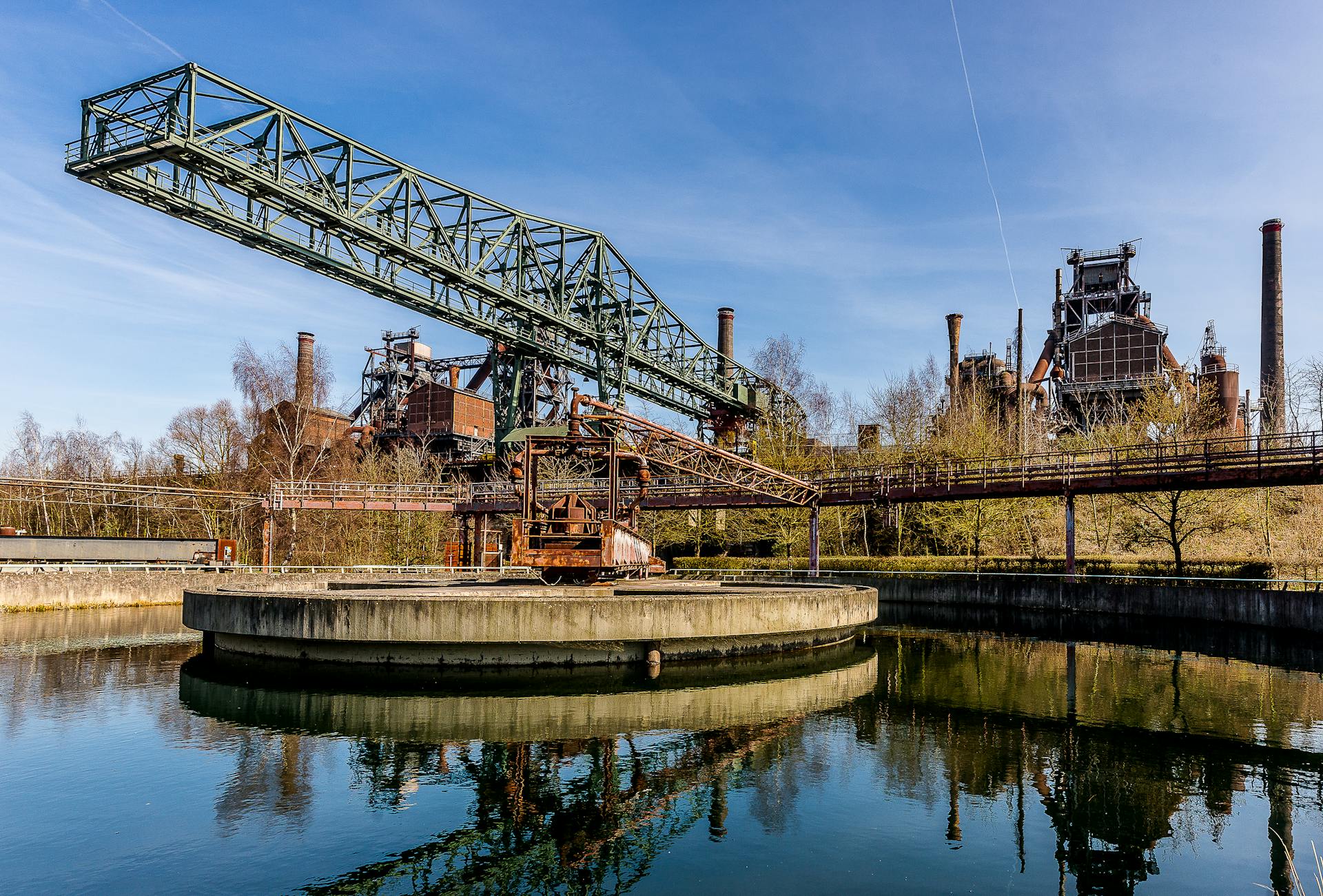
This is not about defending a bygone era, but about reiterating a fundamental fact. A decarbonized economy requires more steel, more copper, more chemicals, more machinery, and more infrastructure. You can’t build hydrogen, smart grids, batteries, or wind turbines on an industrial wasteland. The green transition presupposes a robust productive base. Yet, by 2026, Germany will have destroyed more capacity than it creates.
The pathology is imported: energy shock, geopolitical uncertainty, regulatory inflation. The engine isn’t seized up, but its fuel has been removed.
A political failure
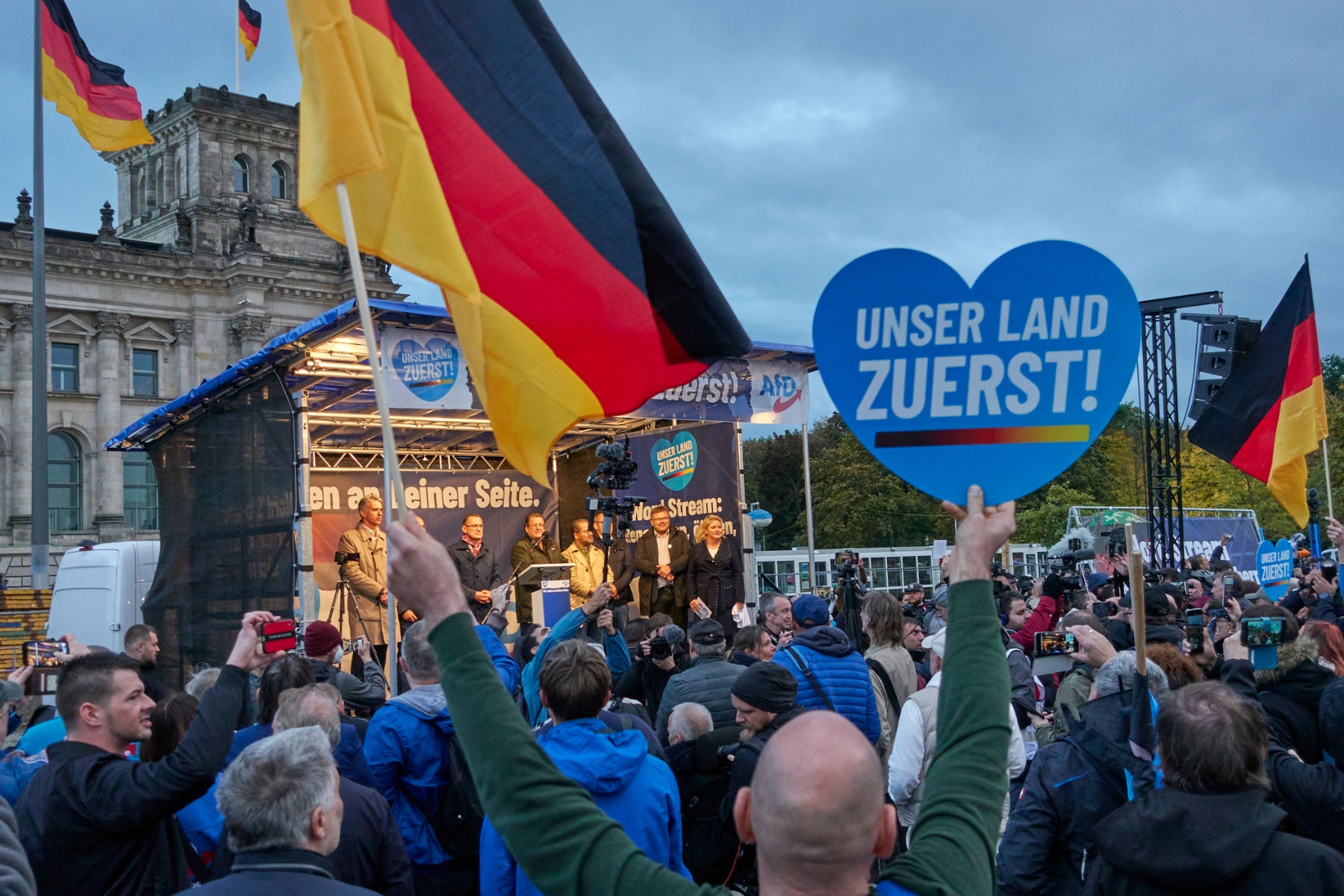
Germany obviously bears its share of responsibility: a rushed nuclear phase-out, the illusion of perpetually cheap Russian gas, and chronic administrative inertia. These errors, which could have been corrected, were entrenched and then amplified by a European architecture that has become incapable of arbitrating between morality, geopolitics, and economic survival.
The break with Russia after 2022 was a historic turning point — one that could be morally justified — but it was handled with astonishing nonchalance. The destruction of the Nord Stream pipelines — for which responsibility remains a taboo subject — sealed a lasting dependence on Amer
Read more from original article, all rights reserved Opinion: A Broken Germany — Europe Confronts Its Economic Suicide
Leave a Reply