

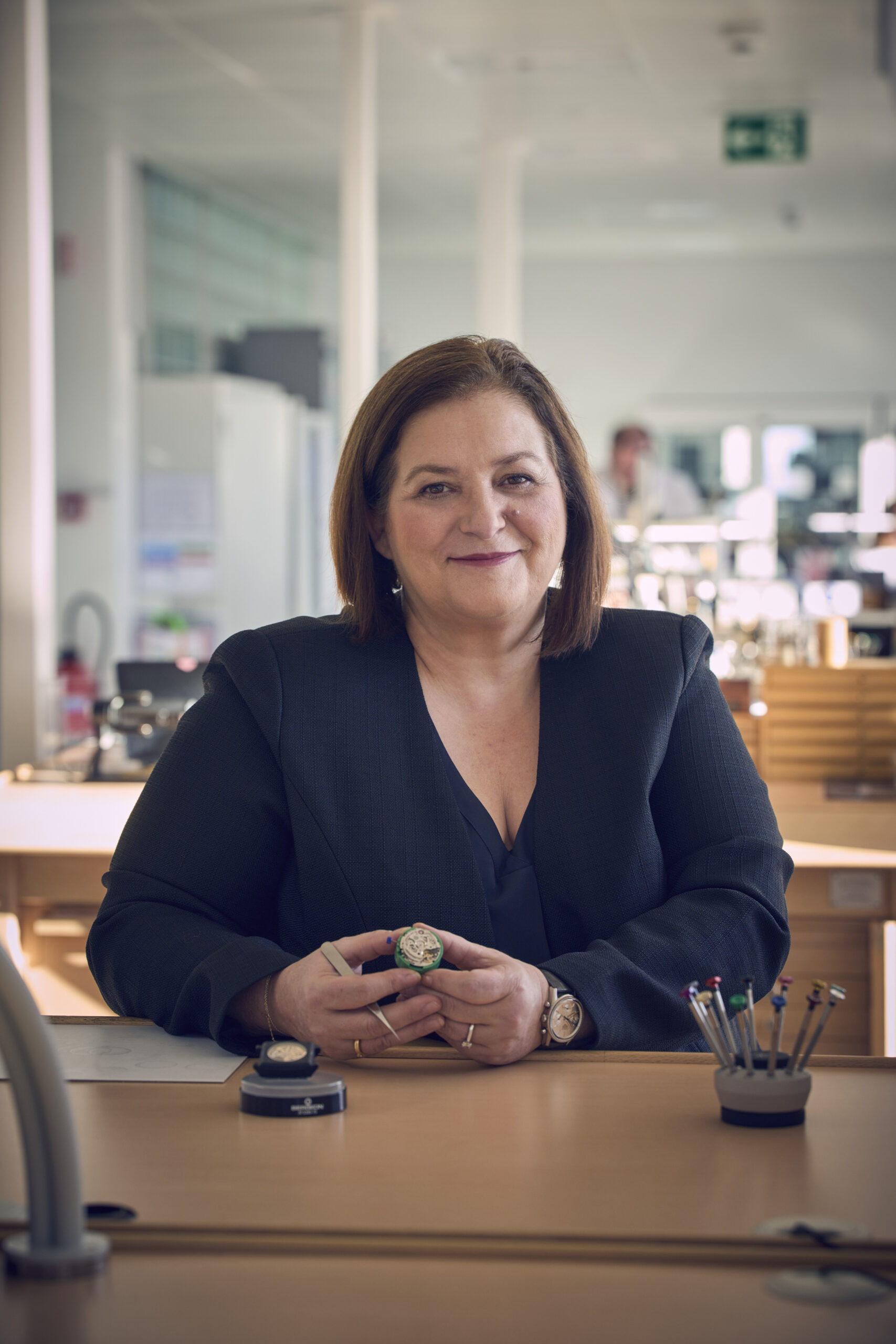
Carole Forestier-Kasapi does not get emotional about watchmaking; she favours the engineering side of her background when it comes to her role as TAG Heuer Movements Director. This might surprise those who know Forestier- Kasapi by her Queen of Complications sobriquet and her family background. Born in Paris into a family of watchmakers, she spent more than three decades shaping the industry’s mechanics.
Her career began with a meteoric rise, highlighted by her 1997 Breguet Foundation Prize win for a central carousel tourbillon concept that would eventually birth the legendary Ulysse Nardin Freak. She later spent 15 years as the Director of Movement Creation at Cartier, where she oversaw the development of nearly 30 in-house calibres and revolutionary concepts such as the ID One and ID Two.
Since joining TAG Heuer as Movements Director in 2020, Forestier-Kasapi has pivoted from pure watchmaking complexity to a strategy focused on industrial resilience and performance. Her tenure has been defined by a “fix the basics” philosophy – improving reliability and precision – while simultaneously pushing the boundaries of material science.
Somehow, we have missed speaking extensively with Forestier-Kasapi since her Cartier days, but we finally corrected that problem in 2025. It is particularly apt given the debut of the TH-Carbonspring at Geneva Watch Days this year. We do like to geek out on escapement technology but fortunately for all, Kasapi-Forestier stays level-headed and also gets into the Solargraph and the realities of industrial production.
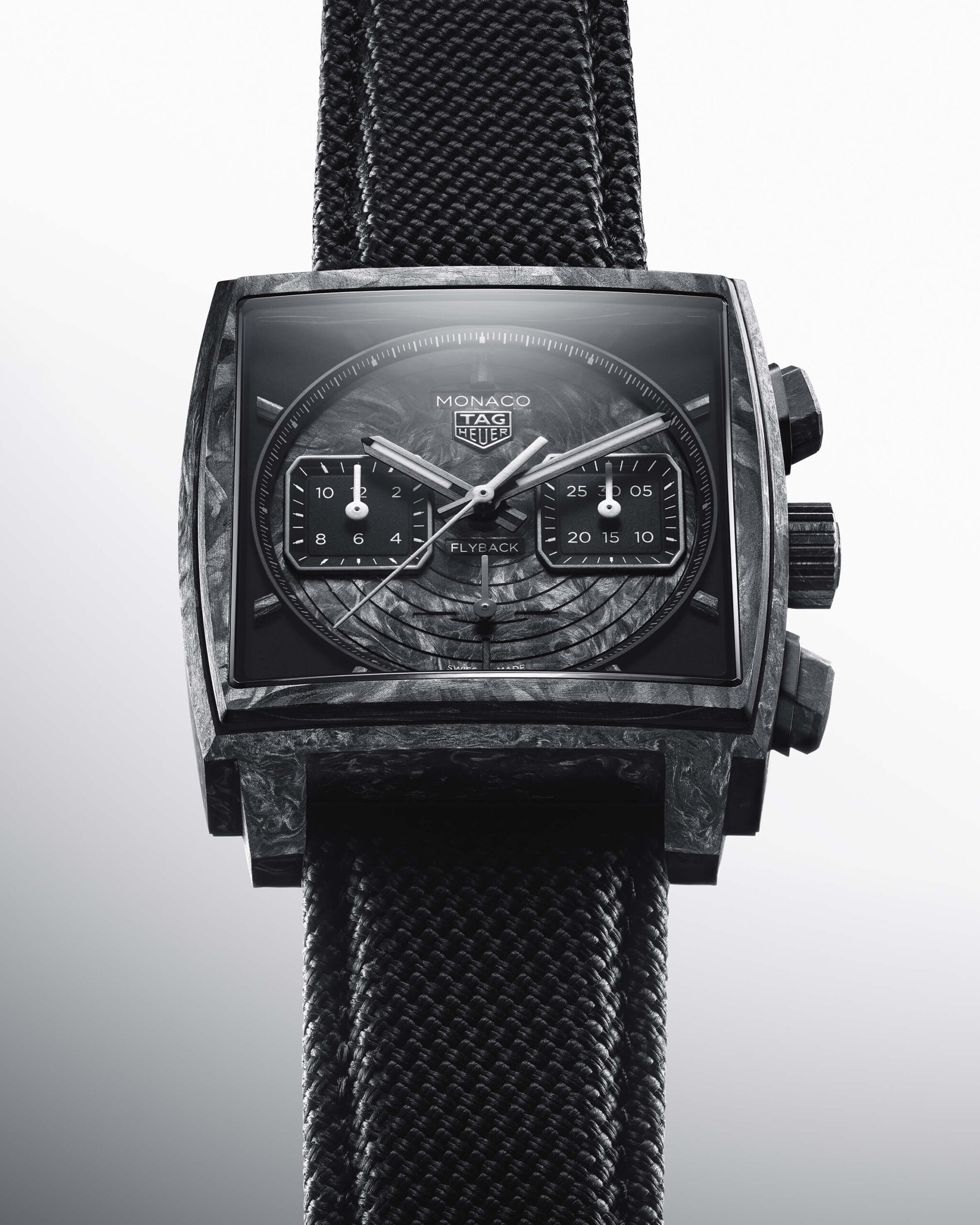
You championed the idea of surprise in watchmaking, and the importance of that surprise for the client when they see and feel a watch for the first time. What is the value of a surprise like this?
To the eyes of our clients, it is a question regarding the expression of desirability. First, of course, I think that is the key element. You will never buy a watch if it is not desirable in your eyes.
If the expression (of the watch) connects to something you want to achieve, and it speaks for itself, it is a win-win situation. You don’t need to explain it; it is a self-explanatory design.
If you look at the history of the Maison, watches were always… not just a new way to innovate, but innovating with sense (or purpose) behind it. I think it is very important. It is not just innovation for innovation.
Right. The idea of this “surprise” occurred to me not only because of the Split-Seconds Chronograph, but also because of things like the Plasma Diamant case. You think: “What is this? Why are you doing this? What is the plan?”
It’s not just developing a movement; it is really a succession of impacts serving a strategy – a movement strategy that makes sense for the Maison.
The most
Read more from original article, all rights reserved Carole Forestier-Kasapi on Strategic Direction and the Future of TAG Heuer Movements
Leave a Reply